
When you need to ship your vehicle across the country, you’ll face an important decision: should you choose enclosed car transport or open transport? This choice affects everything from your budget to how well your car is protected during the journey.
Most people don’t ship cars regularly, so understanding the differences between these two options can feel overwhelming. The good news is that once you know the key factors, making the right choice becomes much easier.
What is Open Car Transport?
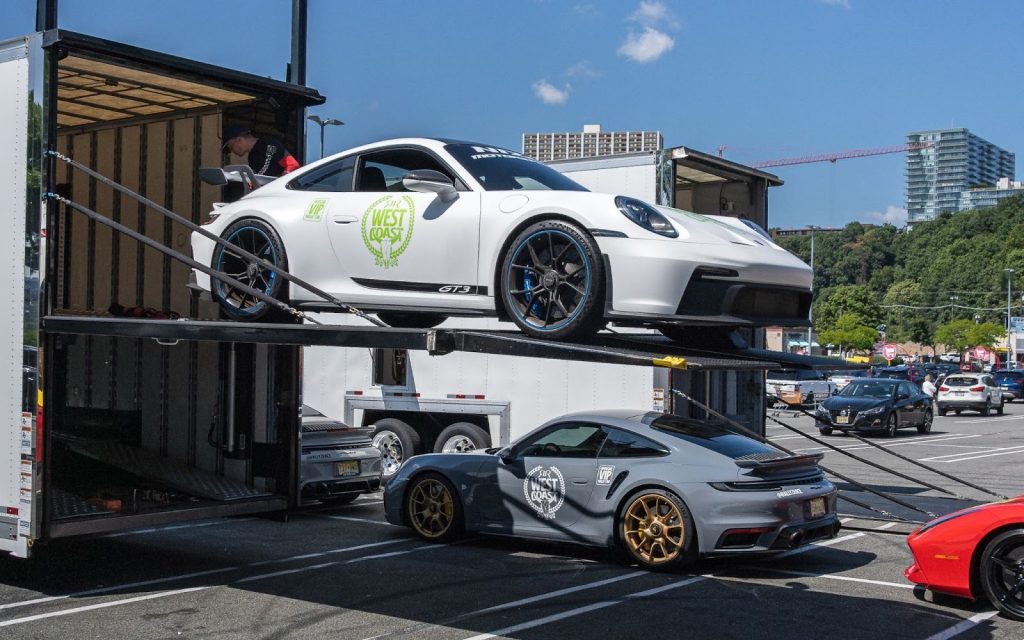
Open car transport is the most common way to ship vehicles in the United States. You’ve probably seen these large trucks on highways, carrying multiple cars on two levels of an open trailer.
With open transport, your vehicle sits on an exposed trailer alongside other cars. The cars are secured with chains and straps, but they remain open to the elements during transport. This method can carry 8-10 vehicles at once, making it the most cost-effective option.
The majority of new cars from dealerships travel this way. Auto manufacturers have used open transport for decades to move vehicles from factories to dealerships across the country.
What is Enclosed Car Transport?
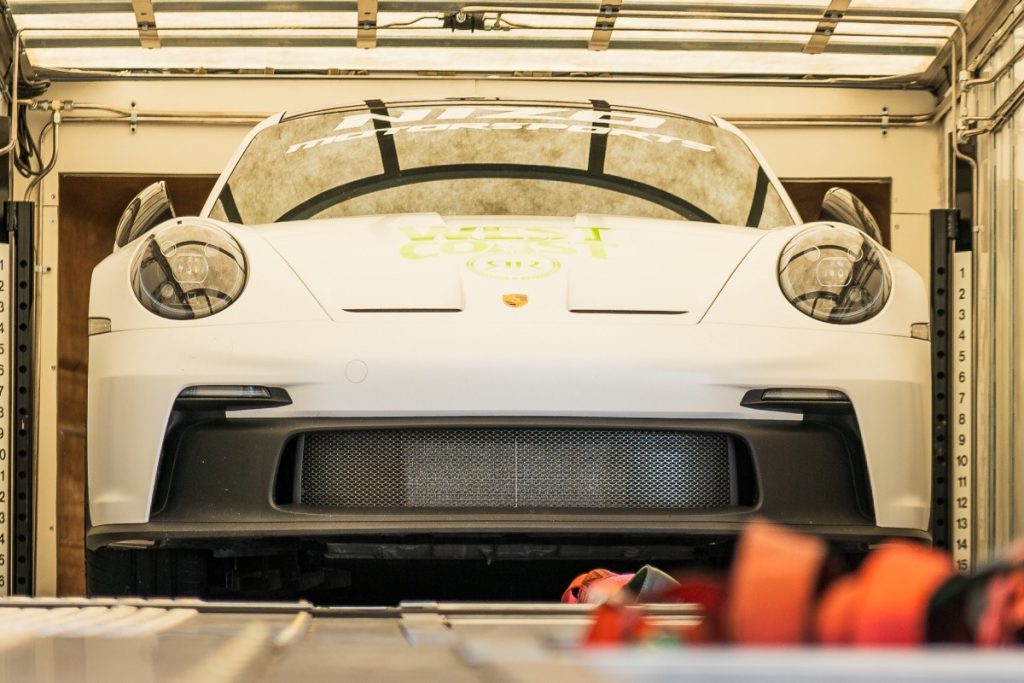
Enclosed car transport uses fully covered trailers that protect vehicles from weather, road debris, and other external elements. These trailers typically carry fewer vehicles, usually 2-6 cars, depending on the trailer size.
The enclosed trailer serves as a mobile garage, keeping your vehicle fully protected throughout the journey. Some enclosed trailers have hard sides made of aluminum or steel, while others use soft sides made of heavy-duty vinyl or canvas.
This premium service costs more than open transport but provides maximum protection for your vehicle.
Key Differences Between Open and Enclosed Transport
Protection Level
The biggest difference between enclosed car transport and open transport is the level of protection your vehicle receives.
Open transport leaves your car exposed to weather conditions, road salt, dust, and debris. While carriers secure vehicles properly, your car can get dirty during transport and may be exposed to minor risks from flying rocks or harsh weather.
Enclosed transport shields your vehicle from all these elements. Your car arrives in the same condition it left, without any exposure to weather or road debris.
Cost Comparison
Open transport typically costs 30-50% less than enclosed transport. The price difference exists because open trailers carry more vehicles, spreading the transportation costs across more customers.
For a typical cross-country shipment, open transport might cost $800-1,200, while enclosed transport could range from $1,200-1,800 for the same distance.
Availability and Scheduling
Open car transport offers much more flexibility in scheduling. Since most carriers use open trailers, you’ll find more options and shorter wait times.
Enclosed transport has limited availability, especially during peak seasons. You might need to book 2-3 weeks in advance to secure your preferred dates.
Vehicle Capacity
Open trailers carry 8-10 vehicles, making them efficient for shipping multiple cars along the same route. This efficiency helps keep costs lower.
Enclosed trailers typically transport 2-6 vehicles, depending on their size. Some luxury enclosed trailers carry just one or two vehicles for maximum protection.
When to Choose Open Car Transport
Open transport works well for most everyday vehicles and situations. Here are the best scenarios for choosing open transport:
Standard daily drivers: Regular cars, trucks, and SUVs that you use for daily transportation handle open transport without issues. These vehicles are designed to withstand normal weather conditions.
Budget-conscious shipping: When cost is your primary concern, open transport offers reliable service at the lowest price point.
New car purchases: If you’re buying a standard new vehicle from a distant dealership, open transport matches how the car likely traveled from the manufacturer.
Quick scheduling needs: When you need to ship your vehicle soon and want multiple carrier options, open transport provides the most flexibility.
Cross-country moves: For relocations where you’re shipping household vehicles that will see regular road use anyway, open transport makes economic sense.
When to Choose Enclosed Car Transport
Certain situations call for the extra protection that enclosed transport provides:
Luxury and exotic vehicles: High-end cars like Ferraris, Lamborghinis, or custom builds benefit from enclosed protection. The investment in enclosed transport makes sense when your vehicle is worth $75,000 or more.
Classic and vintage cars: Restored classics or vintage vehicles deserve enclosed protection. These cars often have irreplaceable parts or custom paint jobs that need maximum protection.
Show cars and concours vehicles: If you’re transporting a vehicle to a car show or concours event, enclosed transport ensures it arrives in pristine condition.
Convertibles and low-clearance vehicles: Convertibles face extra risk from debris in open transport. Very low cars might scrape on open trailer loading ramps.
Long-distance transport: For cross-country shipping during harsh weather seasons, enclosed transport provides peace of mind.
Investment vehicles: Cars you’re purchasing as investments or collectibles warrant the extra protection enclosed transport provides.
Factors to Consider When Making Your Choice
5 Key Questions to Ask Yourself
- What’s your vehicle’s value? Vehicles worth over $50,000 often justify the cost of enclosed transport.
- How important is the vehicle’s condition? Show cars and collectibles need to be in perfect condition upon arrival.
- What’s your budget? Be realistic about whether the extra cost fits your shipping budget.
- What’s your timeline? Urgent shipments might require accepting open transport for faster availability.
- What season are you shipping? Winter shipping through harsh weather areas favors enclosed transport.
Insurance Considerations
Both transport methods include carrier insurance, but coverage amounts vary. Enclosed transport often comes with higher insurance coverage amounts, reflecting the typically higher value of vehicles being shipped.
Always verify the carrier’s insurance coverage and consider whether you need additional coverage for high-value vehicles. Failing to check or ignore insurance coverage details is one of the common car shipping mistakes that can cost you down the road.
Distance and Route Factors
Longer distances increase exposure time, making enclosed transport more valuable for coast-to-coast shipments. Routes through harsh climates or construction zones also favor enclosed protection.
Short local moves might not justify enclosed transport costs unless you have a very valuable vehicle.
Comparing Costs: Open vs. Enclosed Transport
| Factor | Open Transport | Enclosed Transport |
|---|---|---|
| Average Cost (1,000 miles) | $800-1,200 | $1,200-1,800 |
| Cost per Mile | $0.80-1.20 | $1.20-1.80 |
| Additional Insurance | Often optional | Usually included |
| Fuel Surcharges | Standard rates | Higher rates |
| Peak Season Premium | 10-20% increase | 20-30% increase |
| Rush Service | $100-300 extra | $200-500 extra |
These prices vary based on route popularity, seasonal demand, and specific vehicle requirements. Rural pickup or delivery locations typically add $100-300 to either option.
Questions to Ask Transport Companies
Before booking either service, ask these important questions:
- Insurance coverage: What’s the exact coverage amount? Are there deductibles? What damage isn’t covered?
- Pickup and delivery: Do they offer door-to-door service? Are there additional fees for specific locations?
- Vehicle condition reports: How do they document your car’s condition before and after transport?
- Timeline guarantees: Do they provide specific pickup and delivery windows? What happens if they’re late?
- Payment terms: When is payment due? Do they accept credit cards? Are there hidden fees?
Making the Right Choice for Your Situation
The decision between open vs. enclosed car transport comes down to balancing protection needs with budget constraints.
For most standard vehicles and typical moves, open transport provides reliable service at reasonable prices. The thousands of cars shipped safely via open transport daily prove this method’s effectiveness.
However, if you own a valuable, rare, or pristine vehicle, enclosed transport’s extra protection often justifies the higher cost. The peace of mind that comes from knowing your investment travels in a protected environment makes the premium worthwhile.
Consider your specific circumstances, including your vehicle’s value, your budget, and your timeline. Don’t let others pressure you into either option – choose what makes sense for your situation.
Regional Considerations
Different regions present unique challenges that influence your choice between open and enclosed car transport.
West coast shipping: Routes through California often deal with wildfire smoke and ash, making enclosed transport appealing during fire season.
Midwest transport: Winter shipping through snow and salt-heavy routes can benefit from enclosed protection, especially for vehicles sensitive to corrosion.
East coast corridors: Heavy traffic and construction zones increase debris risks on popular I-95 corridor routes.
Southern routes: Hurricane season and severe weather events make enclosed transport worth considering for valuable vehicles.
Mountain passes: Rocky Mountain routes with steep grades and potential rock slides favor enclosed protection.
Seasonal Timing Strategy
Your shipping timeline affects both price and service quality for both transport options.
Peak season (summer): Higher demand leads to higher prices and reduced availability, especially for enclosed transport. Book 3-4 weeks ahead.
Off-season (winter): Better prices, but weather risks increase. Enclosed transport becomes more valuable during harsh weather periods.
Spring and fall: Best balance of reasonable prices and good weather conditions. Optimal timing for open transport of standard vehicles.
Holiday periods: Avoid shipping around major holidays when possible. Carriers have limited availability and higher prices.
Understanding Transport Insurance
Both open and enclosed transport include carrier insurance, but understanding coverage details prevents surprises.
- Carrier liability: Federal regulations require minimum coverage, but amounts vary significantly between carriers.
- Deductibles: Some policies include deductibles you’ll pay before coverage kicks in.
- Coverage gaps: Mechanical damage, pre-existing conditions, and personal items typically aren’t covered.
- Documentation: Proper condition reports before and after transport are essential for any insurance claims.
- Additional coverage: High-value vehicles might need supplemental coverage beyond standard carrier insurance.
Most reputable carriers carry $100,000-$1,000,000 in coverage, but always verify specific amounts and terms before booking.
Preparing Your Vehicle for Transport
Regardless of which option you choose, proper preparation ensures smooth transport:
- Clean your vehicle: Document existing damage with photos. A clean car makes damage inspection easier.
- Remove personal items: Carriers typically don’t allow personal belongings in shipped vehicles.
- Check fluid levels: Ensure adequate gas (quarter tank), oil, and coolant levels.
- Disable alarms: Car alarms can drain batteries during transport.
- Document everything: Take detailed photos and note existing damage on the condition report.
- Secure loose parts: Remove or secure any loose accessories, antennas, or custom parts.
- Check tire pressure: Proper inflation prevents flat spots during transport.
Red Flags to Avoid
Whether choosing open or enclosed transport, watch for these warning signs:
- Unusually low quotes: Extremely cheap quotes often indicate unlicensed carriers or hidden fees.
- Large upfront deposits: Legitimate carriers typically require small deposits, not full payment upfront.
- No physical address: Avoid companies without verifiable business addresses and phone numbers.
- No DOT numbers: All interstate carriers must display valid DOT registration numbers.
- High-pressure sales: Reputable companies give you time to make informed decisions.
- No insurance proof: Any carrier should readily provide insurance certificate copies.
- Cash-only payments: Professional carriers accept multiple payment methods, not just cash.
Future of Car Transport
The auto transport industry continues evolving with new technologies and service options.
Electric vehicle transport: Growing EV adoption creates new considerations for battery protection and charging needs during transport.
Technology integration: GPS tracking, digital condition reports, and real-time updates improve customer experience.
Environmental concerns: Some carriers invest in cleaner trucks and more efficient routing to reduce environmental impact.
Autonomous transport: Future self-driving transport trucks might change industry economics and safety profiles.
These developments will likely affect both open and enclosed transport options, potentially creating new hybrid services that balance cost and protection.
Conclusion
Choosing between enclosed car transport and open transport depends on your specific vehicle, budget, and protection needs.
Open transport works perfectly for most standard vehicles and offers excellent value for everyday cars. Enclosed transport provides premium protection that makes sense for luxury, classic, or high-value vehicles.
The key is honestly assessing your situation rather than defaulting to the cheapest option or overpaying for unnecessary protection. Consider your vehicle’s value, your budget, the shipping distance, and seasonal factors when making your decision.
If you’re still unsure which option is right, Dispatch Dudes is a reputable car shipping service that can provide personalized recommendations and help you make the most informed choice. Contact us today to discuss your shipping needs and get expert guidance for your vehicle transport!