
Shipping your car across the country brings up important questions about protection and coverage. What happens if your vehicle gets damaged during transport? Who pays for repairs?
Understanding what auto transport insurance is and how it works before shipping your vehicle helps you avoid costly surprises.
Many car owners assume their personal auto insurance covers vehicle shipping, but that’s usually not the case. Auto transport insurance works differently from your regular car insurance, and knowing these differences protects both your wallet and your peace of mind.
What Is Auto Transport Insurance?
Auto transport insurance is specialized coverage that protects vehicles during shipping and transport. This insurance covers damage that occurs while your car is loaded on a transport truck, traveling to its destination, or being unloaded.
The coverage applies specifically to the transport process, not regular driving situations. It kicks in when your vehicle is in the carrier’s possession and custody.
Federal law requires all licensed auto transport companies to carry this insurance. However, coverage amounts and terms vary significantly between carriers, making it important to understand what protection you’re actually getting.
How Auto Transport Insurance Works
When you hire a transport company, their insurance automatically covers your vehicle during the shipping process. You don’t need to purchase separate coverage; it is included with the transport service.
The insurance period begins when the carrier takes possession of your vehicle and ends when they deliver it to you. During this time, the transport company becomes responsible for your car’s safety and condition.
If damage occurs during transport, you file a claim with the carrier’s insurance company, not your personal auto insurer. The carrier handles the entire claims process and pays for covered repairs.
Types of Auto Transport Insurance Coverage
Comprehensive Cargo Insurance
This is the most common type of coverage that transport companies carry. It protects against damage from accidents, weather, theft, vandalism, and loading/unloading incidents.
Comprehensive cargo insurance typically covers the full value of your vehicle, though maximum limits vary by carrier. Most reputable companies carry coverage ranging from $100,000 to $1 million per incident.
Garage Keepers Insurance
Some carriers also maintain garage keepers insurance, which provides additional protection when vehicles are stored at transport facilities. This coverage protects against fire, theft, and vandalism while cars wait for pickup or delivery.
Motor Truck Cargo Insurance
This specialized coverage protects the cargo (your vehicle) while it’s being transported. It covers damage from collisions, rollovers, fire, explosion, and other transport-related incidents.
What Auto Transport Insurance Covers
Understanding what auto transport insurance coverage includes helps set proper expectations for protection during shipping.
Collision and Accident Damage
If the transport truck crashes or collides with another vehicle, the insurance covers damage to your car. This includes everything from minor scratches to total loss situations.
Weather-Related Damage
Severe weather damage, such as hail, flooding, or storm debris, is covered under most transport insurance policies. However, normal weather exposure in open transport typically isn’t covered.
Loading and Unloading Damage
Accidents during loading or unloading your vehicle are covered. This includes damage from dropped vehicles, equipment failure, or improper securing techniques.
Theft and Vandalism
If someone steals your vehicle or intentionally damages it while it is in the carrier’s custody, the insurance provides protection.

Fire and Explosion
Transport insurance covers vehicle damage caused by fires or explosions during shipping.
What Auto Transport Insurance Doesn’t Cover
Pre-Existing Damage
Any damage that existed before transport began isn’t covered. This is why thorough vehicle inspections and documentation before shipping are so important.
Mechanical Problems
Engine failures, transmission issues, or other mechanical problems that develop during transport typically aren’t covered unless they result from a covered incident.
Personal Belongings
Leaving items in your vehicle is one of the common car shipping mistakes, especially since personal belongings are usually not covered by transport insurance. Most carriers prohibit storing anything in the car during shipment for this reason.
Normal Wear and Tear
Regular aging, fading, or minor wear that would occur anyway isn’t considered damage under transport insurance.
Damage from Improper Preparation
If you fail to properly prepare your vehicle for transport (e.g., leaving the gas tank full or failing to secure loose parts), resulting damage might not be covered.
Is Auto Transport Insured by Default?
Yes, auto transport is insured by federal requirements. All licensed interstate auto transport companies must carry minimum insurance coverage to operate legally.
However, “insured” doesn’t mean “fully protected” in every situation. The minimum required coverage might not fully protect high-value vehicles, and coverage terms vary significantly between carriers.
State-to-state transport requires higher insurance minimums than local transport. Companies moving vehicles across state lines must maintain more comprehensive coverage than local carriers.
Understanding Insurance Coverage Amounts
Minimum Federal Requirements
Federal regulations require interstate auto transport companies to carry at least $750,000 in cargo insurance. However, many reputable carriers maintain much higher coverage amounts.
Typical Industry Coverage
Most established transport companies carry $100,000 to $1 million in coverage per incident. Some premium carriers offer even higher limits for luxury or exotic vehicles.
Per-Vehicle vs. Per-Incident Limits
Understanding whether coverage limits apply per vehicle or per incident matters significantly. Per-incident limits mean multiple damaged vehicles might share the total coverage amount.
How to Verify Insurance Coverage
8 Steps to Confirm Your Protection
- Request certificate of insurance: Ask the transport company for a current insurance certificate showing coverage amounts and effective dates.
- Verify the insurance company: Confirm the insurer is legitimate and financially stable by checking state insurance department websites.
- Check DOT registration: Ensure the carrier has valid Department of Transportation registration numbers and authority.
- Review coverage limits: Confirm coverage amounts meet or exceed your vehicle’s value.
- Understand deductibles: Ask about any deductibles you may be responsible for.
- Clarify coverage terms: Get straightforward explanations of what is and isn’t covered under the policy.
- Document everything: Keep copies of all insurance documents and correspondence.
- Verify current status: Confirm the insurance policy is current and hasn’t lapsed.
Filing Insurance Claims for Transport Damage
Immediate Steps After Discovering Damage
- Document everything: Take detailed photos of all damage immediately upon delivery. Don’t accept delivery if you notice significant damage and don’t note it on the delivery receipt.
- Contact the carrier: Notify the transport company about the damage as soon as possible. Most companies require immediate notification for claims processing.
- Get repair estimates: Obtain written estimates from reputable repair shops to document the cost of the damage.
- Keep all records: Maintain copies of all communications, photos, estimates, and related paperwork.

The Claims Process Timeline
Most transport insurance claims follow a standard timeline, though specific timeframes vary by carrier and situation.
Initial report: You must report damage within 24-48 hours of delivery in most cases.
Investigation period: Insurance companies typically investigate claims within 7-14 days of receiving reports.
Settlement negotiations: Simple claims might settle within 2-3 weeks, while complex cases can take several months.
Payment processing: Once you accept a settlement, payment usually arrives within 1-2 weeks.
Additional Insurance Options
Supplemental Coverage
If your vehicle’s value exceeds the carrier’s insurance limits, you might want supplemental coverage. Some transport companies offer additional insurance for an extra fee.
Personal Auto Insurance
While your personal auto insurance typically doesn’t cover transport damage, some comprehensive policies might provide limited coverage. Check with your insurance agent about specific terms.
Specialty Vehicle Insurance
Classic cars, exotics, and high-value vehicles might need specialized transport insurance. Some carriers offer premium coverage specifically for valuable cars.
Insurance Considerations by Vehicle Type
| Vehicle Type | Typical Coverage Needs | Special Considerations |
|---|---|---|
| Standard Cars | Basic carrier coverage | Usually adequate protection |
| Luxury Vehicles | Enhanced coverage limits | Consider supplemental insurance |
| Classic Cars | Agreed value coverage | Document condition thoroughly |
| Exotic Vehicles | Maximum coverage limits | Enclosed transport recommended |
| Modified Cars | Custom parts coverage | Verify modifications are covered |
| Commercial Vehicles | Higher coverage limits | May need a commercial transport policy |
Standard Vehicles
Most everyday cars, trucks, and SUVs are adequately protected by standard transport insurance. The carrier’s basic coverage typically matches or exceeds the value of these vehicles.
High-Value Vehicles
Luxury cars, classics, and exotics often need enhanced insurance protection. Consider supplemental coverage if your vehicle’s value exceeds the carrier’s standard limits.
Modified Vehicles
Custom modifications, aftermarket parts, and performance upgrades might not be fully covered under standard transport insurance. Verify coverage for any custom work before shipping.
Common Insurance Claim Scenarios
Minor Scratches and Dings
Small damage from road debris or minor contact during loading is the most common type of insurance claim. These typically settle quickly with minimal documentation requirements.
Weather Damage
Hail damage, water damage from flooding, or storm debris can create more complex claims that require detailed damage assessment and multiple repair estimates.
Loading Accidents
Vehicles falling off ramps or equipment failures during loading/unloading can cause significant damage, requiring comprehensive repairs or total-loss settlements.
Transport Accidents
When transport trucks crash or roll over, multiple vehicles are typically damaged. These complex claims often take longer to resolve due to the investigation requirements.
Red Flags in Transport Insurance
Warning Signs to Watch For
- Vague insurance information: Carriers that won’t provide specific insurance details or certificates might have inadequate coverage.
- Expired documentation: Always verify insurance certificates are current and haven’t expired.
- Unusually low coverage: Carriers with only the minimum required coverage might not adequately protect higher-value vehicles.
- No-claims process explanation: Reputable carriers clearly explain their claims process and provide contact information for insurance issues.
- Pressure to sign waivers: Be cautious of carriers asking you to sign liability waivers or damage releases before transport.
Protecting Yourself Beyond Insurance
Pre-Transport Documentation
Complete vehicle inspection: Document all existing scratches, dents, and imperfections with detailed photos from multiple angles.
Written condition report: Ensure the carrier’s condition report accurately reflects your vehicle’s pre-transport condition.
Remove personal items: Take out all personal belongings to avoid coverage complications.
Secure loose parts: Remove or secure antennas, spoilers, or other parts that might come loose during transport.
During Transport Communication
Stay in contact with your carrier throughout the transport process. Reputable companies provide updates and estimated delivery times.
Track your shipment: Many carriers offer GPS tracking or regular status updates during transport.
Maintain contact information: Ensure the carrier can reach you quickly if issues arise during transport.
Seasonal Insurance Considerations
Winter Transport Risks
Cold-weather transport increases the risk of ice, snow, and road salt. These conditions might affect insurance coverage terms or claim frequencies.
Summer Transport Challenges
High temperatures, sudden storms, and wildfire smoke pose seasonal risks that may affect insurance claims and coverage needs.
Peak Season Impacts
During busy shipping seasons, increased traffic and rushed schedules can elevate accident risk, making comprehensive insurance coverage more important.
Insurance for Different Transport Methods
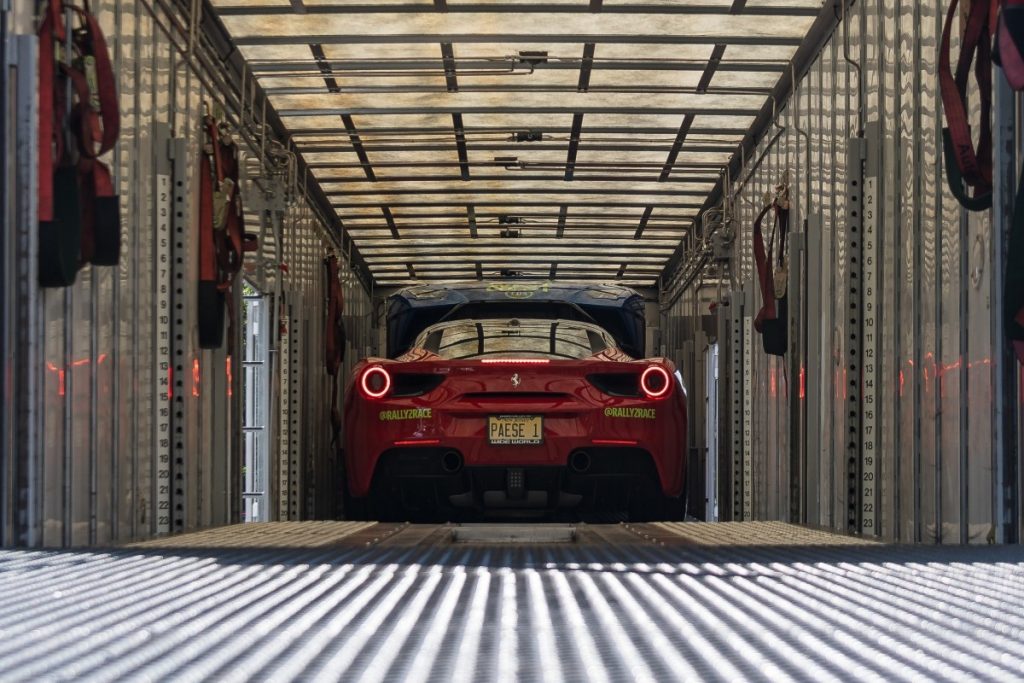
Understanding how insurance works for different transport methods, such as enclosed car transport or open transport, helps you choose the right level of protection. Each technique, along with expedited options, comes with its own coverage considerations.
Open Transport Insurance
Insurance for open car transport typically provides standard coverage adequate for most vehicles. Exposure to weather and road debris is generally accepted as a risk.
Enclosed Transport Insurance
Enclosed transport often comes with enhanced insurance coverage, reflecting the higher value of the vehicles typically using this service.
Expedited Transport Insurance
Rush shipping services might carry different insurance terms due to increased time pressures and accident risks.
Future of Auto Transport Insurance
Technology Improvements
GPS tracking, dash cameras, and digital documentation systems help prevent disputes and speed up claims processing.
Enhanced Coverage Options
Some carriers now offer customizable insurance packages, allowing customers to select coverage levels based on their specific needs.
Digital Claims Processing
Mobile apps and online platforms streamline damage reporting and claims processing, reducing settlement times.
Working with Insurance Adjusters
What to Expect
Insurance adjusters investigate damage claims and determine settlement amounts. They’ll review your documentation, inspect the damage, and verify repair estimates.
- Be prepared: Have all documentation organized and readily available for the adjuster’s review.
- Ask questions: Don’t hesitate to ask about coverage details, settlement calculations, or timeline expectations.
- Get everything in writing: Request written explanations of settlement offers and any coverage limitations.
Negotiating Settlements
If you disagree with the initial settlement offer, you can negotiate with the insurance company. Having multiple repair estimates and detailed damage documentation strengthens your position.
Conclusion
Understanding what auto transport insurance is and how it protects your vehicle helps you make informed decisions about shipping your car.
While federal law requires all licensed carriers to maintain insurance coverage, the specific terms and amounts vary significantly between companies.
The key to protecting yourself lies in verifying coverage details before shipping, documenting your vehicle’s condition thoroughly, and understanding the claims process.
Remember that while transport insurance provides important protection, it’s not a substitute for choosing a reputable, experienced carrier who prioritizes vehicle safety. If you have questions about insurance coverage for your specific vehicle or transport needs, contact Dispath Dudes. Our team can help you understand your options and ensure your vehicle receives proper protection during shipping.