 Skip to content

Atlanta’s traffic congestion has earned the city an unwelcome reputation as one of America’s most challenging metropolitan areas for vehicle transportation. The sprawling Georgia capital sits at the intersection of major interstate highways, creating a perfect storm of delays that ripple through every aspect of logistics operations.
How does Atlanta traffic affect car shipping operations? The answer lies in understanding the city’s unique geography and traffic patterns. Atlanta serves as a major transportation hub where Interstates 75, 85, 20, and 285 converge, funneling massive volumes of commercial and passenger traffic through relatively narrow corridors.
Car shipping companies face daily battles against rush-hour gridlock, unexpected construction delays, and weather-related slowdowns that can turn a simple pickup into an hours-long ordeal. These delays don’t just inconvenience drivers – they cascade through entire shipping schedules, affecting delivery times across multiple states.
The impact extends beyond simple time delays. Carriers must account for increased fuel costs, driver fatigue, and the domino effect that Atlanta delays create for subsequent pickups and deliveries. Understanding these challenges is essential for anyone shipping a vehicle to or from the Atlanta metropolitan area.
Understanding Atlanta’s Traffic Patterns
Atlanta’s traffic follows predictable yet punishing patterns that directly impact vehicle shipping operations. The morning rush typically begins around 6:30 AM and peaks between 7-9 AM, while afternoon congestion starts as early as 3 PM and reaches maximum intensity from 4-7 PM.
During these peak hours, average speeds on major interstates can drop to 15-20 mph or lower. What should be a 30-minute drive across the metro area often stretches to two hours or more. This reality forces car shipping companies to completely restructure their pickup and delivery windows.
The city’s notorious “spaghetti junction,” where I-75 and I-85 intersect, creates particular challenges for car carriers. These massive trucks cannot easily change routes when traffic backs up, unlike smaller vehicles that can take surface streets.
Weekend traffic presents its own complications. Saturday mornings are heavily congested as residents run errands and travel to sporting events. Sunday evenings mirror weekday rush hours as people return from weekend trips, creating another window of significant delays for car shipping operations.
Major Interstate Bottlenecks Affecting Car Transport
I-285 Perimeter Challenges
Interstate 285, known locally as “the Perimeter,” encircles Atlanta and serves as a major route for car carriers seeking to avoid downtown traffic. However, this 64-mile loop has become a bottleneck itself, with several notorious trouble spots.
The I-75/I-285 interchange on the northwest side regularly experiences severe backups. Car carriers heading to suburban pickup locations often find themselves trapped in stop-and-go traffic for hours. The mixing bowl effect, where multiple interstate systems converge, creates unpredictable slowdowns that can derail carefully planned shipping schedules.

Construction projects along I-285 have been ongoing for years, with lane restrictions and temporary barriers further complicating navigation for large car carriers. These vehicles require significant space to maneuver safely, making construction zones particularly challenging to traverse.
Downtown Connector Complications
The Downtown Connector, where I-75 and I-85 share the same roadway through central Atlanta, represents one of the most congested stretches of interstate in the United States. Car carriers must sometimes traverse this area to reach pickup or delivery locations in downtown or midtown Atlanta.
The combination of commuter traffic, commercial vehicles, and tourists creates a toxic mix of congestion. Lane changes become nearly impossible for car carriers, and breakdown incidents can shut down entire sections for hours. Smart car shipping companies now build extra buffer time specifically for Downtown Connector crossings.
Weather events compound these challenges significantly. Even light rain can double travel times through the Downtown Connector, while snow or ice can create multi-hour delays that force carriers to completely reschedule their routes.
Construction Delays and Their Impact on Scheduling
Atlanta seems to exist in a perpetual state of construction, with major highway improvement projects stretching across multiple years. The Georgia Department of Transportation regularly undertakes massive infrastructure upgrades that directly affect car shipping logistics.
Current and ongoing projects include bridge reconstructions, lane additions, and interchange improvements. These projects create temporary lane restrictions that reduce highway capacity during peak shipping hours. Car carriers must navigate not only reduced speeds but also sudden lane merges and detours.
Construction scheduling adds another layer of complexity. Many projects restrict certain lanes only during specific hours, meaning routes that work in the morning may be completely blocked in the afternoon. This forces car shipping companies to maintain multiple contingency plans for each pickup and delivery route.
The economic impact extends beyond time delays. Construction zones increase fuel consumption as carriers idle in traffic or take longer alternate routes. Driver productivity decreases when a single Atlanta pickup or delivery consumes most of a driver’s available hours, in accordance with federal transportation regulations.
Peak Hours vs Off-Peak Shipping Windows
Why are car deliveries delayed in Atlanta? Often, it comes down to timing decisions made days or weeks in advance. Professional car shipping companies must balance customer preferences with operational realities when scheduling pickups and deliveries.
Early morning pickups before 7 AM offer the best chance of avoiding traffic delays, but many customers prefer later pickup times that align with their work schedules. This creates a tension between customer convenience and operational efficiency that experienced companies must carefully manage.
Late evening deliveries after 7 PM can also avoid the worst congestion, but residential delivery restrictions in some Atlanta neighborhoods limit this option. Many subdivisions have rules against commercial vehicle access during certain hours, forcing carriers to work within narrow time windows.
Weekend scheduling presents opportunities and challenges. Saturday morning pickups can work well before traffic builds, but Sunday operations may conflict with driver rest requirements and customer availability. The key is maintaining flexibility while setting realistic expectations about potential delays.
Weather-Related Traffic Complications
Atlanta’s climate creates unique challenges for car shipping operations throughout the year. Summer thunderstorms can appear suddenly, reducing visibility and creating hazardous driving conditions that force carriers to stop or significantly reduce speeds.
Winter weather poses even greater challenges. Atlanta’s infrastructure isn’t designed for snow and ice, and even minor winter storms can paralyze the metro area for days. Car carriers face impossible decisions about whether to continue operations or wait for conditions to improve.
Spring and fall bring their own complications with increased construction activity and unpredictable weather patterns. Carriers must monitor weather forecasts constantly and maintain contingency plans for rapid schedule adjustments. The ripple effects of weather delays can impact shipping schedules for weeks.
Here’s how different weather conditions typically affect Atlanta car shipping operations:
| Weather Condition | Traffic Impact | Typical Delays | Operational Response |
| Summer Thunderstorms | 25-50% speed reduction | 1-3 hours | Route monitoring, safe stopping |
| Winter Ice/Snow | 75-100% shutdown | 1-3 days | Operations suspension |
| Heavy Rain | 40-60% speed reduction | 2-4 hours | Extended travel windows |
| Fog | 50-70% speed reduction | 2-6 hours | Reduced visibility protocols |
Residential Area Access Challenges
Atlanta’s sprawling suburban development pattern creates unique challenges for car carrier access. Many residential neighborhoods feature narrow streets, low-hanging tree branches, and tight turning radii, making navigation difficult for large car carriers.
Gated communities add another layer of complexity. Carriers must coordinate access codes, security clearances, and escort requirements well in advance. Gate hours may conflict with optimal traffic timing, forcing companies to choose between easy highway access and convenient residential delivery times.
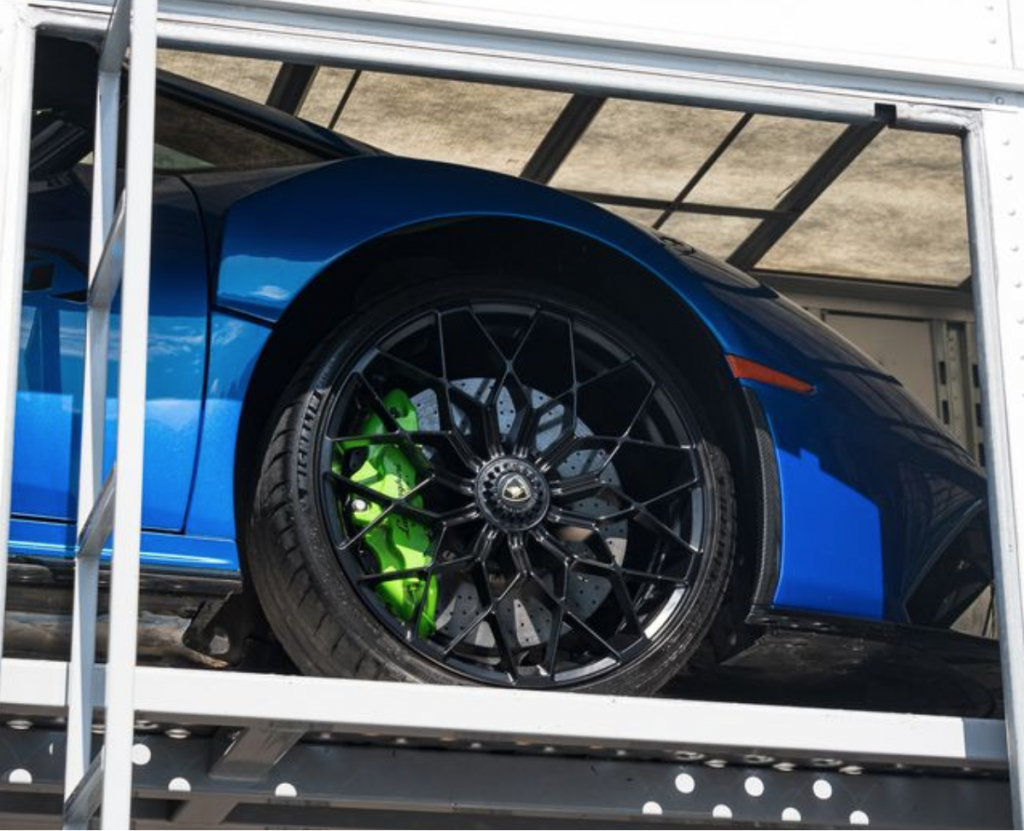
Homeowner association restrictions can limit carrier access to specific hours or days. Some neighborhoods prohibit commercial vehicles entirely, requiring creative solutions like meeting customers at nearby shopping centers or other accessible locations.
We at Dispatch Dudes have developed specialized strategies for residential deliveries throughout Atlanta’s metro area. Our local knowledge helps identify the most efficient routes to specific neighborhoods while accounting for seasonal restrictions and community-specific access requirements.
How Professional Logistics Planning Minimizes Delays
Real-Time Traffic Monitoring Systems
Modern car shipping operations rely heavily on sophisticated traffic monitoring technology. GPS tracking systems provide real-time updates about highway conditions, allowing dispatchers to reroute carriers around unexpected delays or accidents.
Traffic prediction algorithms help identify potential problem areas hours in advance. By analyzing historical traffic patterns and current conditions, experienced logistics teams can anticipate delays and adjust schedules proactively rather than reactively.
Communication systems keep customers informed about potential delays before they occur. Instead of calling with bad news after a carrier is already stuck in traffic, professional companies provide advance warning about potential schedule impacts.
Strategic Route Planning
How long car shipping takes in Atlanta depends largely on the expertise of the route planner. Professional car shipping companies maintain detailed databases of optimal routes for different times of day and traffic conditions.
Primary routes through Atlanta might work perfectly at 6 AM but become completely unusable by 8 AM. Backup routes through suburban areas might add distance but save significant time during peak congestion hours. The key is maintaining multiple options for every pickup and delivery location.
Dispatch Dudes has developed proprietary routing algorithms that factor in Atlanta’s unique traffic patterns, construction schedules, and seasonal variations. This local expertise allows us to provide more accurate delivery estimates and fewer surprise delays than companies without specific Atlanta operational experience.
Setting Realistic Expectations for Atlanta Car Shipping
The key to customer satisfaction in Atlanta car shipping lies in setting realistic expectations from the initial quote. Companies that promise unrealistic delivery times inevitably disappoint customers when Atlanta traffic reality sets in.
Professional car shipping companies build traffic contingency time into their standard delivery estimates. Instead of quoting best-case scenarios, experienced operators provide ranges that account for typical Atlanta traffic delays.
Here are standard time adjustments for Atlanta-area car shipping:
- Morning pickups: Add 2-3 hours for potential rush hour delays
- Afternoon deliveries: Schedule 4-5 hour windows for peak congestion
- Construction zones: Allow an extra day for major project areas
- Weather contingency: Maintain a 24-48-hour buffer for seasonal delays
- Residential access: Factor additional time for neighborhood navigation
Communication throughout the shipping process helps manage expectations and build trust. Regular updates about carrier location and potential delays keep customers informed and reduce anxiety about their vehicle shipment.
Cost Implications of Traffic Delays
Atlanta traffic delays directly translate into higher car shipping costs across multiple channels. Carriers spend more on fuel when idling in traffic or taking longer routes to avoid congestion. Driver productivity decreases when traffic delays consume hours of available driving time.
The economic impact extends beyond immediate operational costs. Delayed pickups create scheduling conflicts that can force carriers to choose between customer commitments. This may result in rush charges for expedited services or compensation for significant delays.
Insurance costs may increase when carriers spend more time in high-traffic areas with greater accident risk. Urban driving poses more hazards than highway driving, and Atlanta’s aggressive traffic patterns compound those risks.
Understanding these cost implications helps customers make informed decisions about shipping timing and service levels. Sometimes paying slightly more for expedited service or off-peak scheduling can provide better value than standard shipping during peak congestion.
Get Professional Atlanta Car Shipping Support
Atlanta’s traffic challenges require specialized expertise and local knowledge that only experienced car shipping professionals can provide. The complexity of timing, routing, and logistics coordination demands more than generic shipping services.
Working with specialists who understand Atlanta’s unique transportation environment ensures realistic scheduling, proactive delay management, and clear communication throughout the shipping process. This expertise becomes particularly valuable during peak moving seasons or adverse weather conditions.
For reliable car shipping services that account for Atlanta traffic realities, contact our experts at Dispatch Dudes. Our Atlanta-specific operational knowledge and sophisticated routing strategies help minimize traffic-related delays while keeping you informed every step of the way.