 Skip to content

Car shipping through mountainous regions presents unique obstacles that don’t exist in flat terrain transportation. How do mountains affect car shipping operations? The answer involves multiple factors, including elevation changes, steep grades, narrow winding roads, and unpredictable weather patterns that can shift dramatically within short distances.
Mountain passes throughout Colorado’s Rocky Mountains pose transportation challenges that require specialized equipment, experienced drivers, and careful route planning. Is it harder to transport vehicles through mountains compared to highway shipping? Absolutely. The combination of altitude, grade changes, and weather variations demands a completely different approach to vehicle transport.
Weather conditions add another layer of complexity to mountain shipping. Can snow impact vehicle transport in Colorado? Winter storms, ice formation, and sudden temperature drops can shut down entire transportation corridors, forcing carriers to adjust schedules and routes. Understanding these challenges helps customers prepare for the realities of mountain region car shipping and choose carriers equipped to handle these demanding conditions safely and efficiently.
The Physics of Mountain Vehicle Transport
Mountain transportation involves fundamental physics that doesn’t apply to flat highway shipping. Steep grades place enormous stress on carrier engines, braking systems, and transmission components. Climbing thousands of feet in elevation while carrying multiple vehicles requires significantly more power and creates heat that can damage equipment not designed for mountain conditions.
Descending mountain grades presents even greater challenges. The weight of loaded car carriers creates momentum that standard braking systems struggle to control safely. Engine braking becomes essential, and drivers must understand how to use transmission gearing to maintain safe speeds without overheating brake components.
Altitude affects engine performance as oxygen levels decrease. Carriers that run efficiently at sea level may struggle with power loss at elevations above 8,000 feet. This performance reduction impacts climbing ability and requires drivers to adjust their driving techniques and route planning accordingly.
Weather Complexity in High Altitude Shipping
Can snow impact vehicle transport in Colorado? Mountain weather systems can create conditions that shift from clear skies to blizzard conditions within hours. Elevation differences mean that while Denver experiences mild weather, mountain passes like the Eisenhower Tunnel may experience severe storms at the same time.
Temperature differences between valley floors and mountain peaks can exceed 40 degrees, leading to ice formation even when lower elevations remain above freezing. These temperature swings affect not only road conditions but also the vehicles being transported, particularly luxury cars sensitive to extreme temperature changes.
Wind patterns in mountains create additional hazards. High-profile vehicles like car carriers act as sails in mountain wind corridors, making vehicle control difficult and dangerous. Weather monitoring becomes essential for safe mountain transportation operations.
Critical Mountain Passes and Route Planning
I-70 Through the Eisenhower Tunnel
The I-70 corridor represents the primary east-west route through Colorado’s mountains, climbing to over 11,000 feet at the Continental Divide. The Eisenhower Tunnel, while eliminating the need to cross Loveland Pass, still presents challenges with its steep approaches and restricted vehicle dimensions.
Carriers must meet specific height and weight requirements to use the tunnel. Alternative routes add hundreds of miles and multiple additional mountain passes, making proper equipment sizing essential for efficient mountain transport. Weather closures on I-70 can shut down east-west transportation for days during severe winter storms.
Vail Pass and Winter Restrictions
Vail Pass presents unique challenges with its combination of elevation, steep grades, and heavy traffic during ski season. Winter traction laws require carriers to have proper equipment installed before entering mountain corridors, not just to carry it on board.
The pass experiences some of Colorado’s most severe winter weather, with sudden storms that create whiteout conditions, making vehicle transport extremely dangerous. Chain laws and commercial vehicle restrictions change based on conditions, requiring constant communication with transportation authorities.
Alternative Routes and Backup Planning
Southern routes through Colorado add distance but may offer better weather conditions during the winter months. Routes through New Mexico and Arizona avoid the highest elevations but require significant additional time and fuel costs.
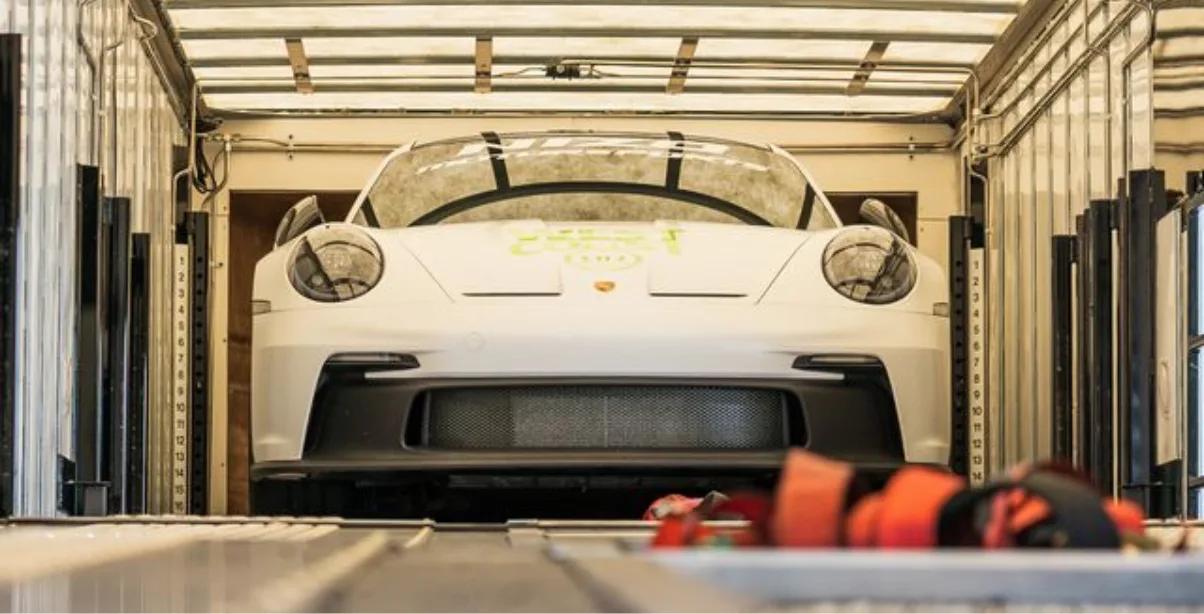
Northern routes through Wyoming face their own mountain challenges and weather patterns. Understanding multiple route options enables carriers to adapt to changing conditions and maintain service reliability year-round.
Equipment Requirements for Mountain Transport
Mountain car shipping requires specialized equipment beyond standard highway carriers. How do mountains affect car shipping equipment needs? Enhanced braking systems, including engine brakes and auxiliary brake systems, become essential for safe mountain operation rather than optional upgrades.
Snow chains designed specifically for commercial carriers must be properly sized and maintained. Standard passenger vehicle chains cannot handle the weight and stress of loaded car carriers. Drivers must know how to install chains quickly in adverse conditions, often while parked on steep grades with limited visibility.
Cold-weather adaptations include engine block heaters, winter-grade fluids, and battery systems designed to operate in extreme cold. Hydraulic systems that operate car carrier loading equipment can fail in extreme cold without proper winterization.
Dispatch Dudes maintains specialized mountain transport equipment, including carriers with enhanced braking systems, properly sized commercial snow chains, and cold-weather adaptations necessary for year-round mountain operation. Our fleet preparation ensures reliable service regardless of seasonal challenges.
Driver Training and Experience Requirements
Mountain Driving Techniques
Is it harder to transport vehicles through mountains? The skill requirements for mountain driving far exceed those needed for highway transport. Drivers must understand engine braking, proper gear selection for grade climbing and descent, and how to maintain safe speeds while managing heavy loads.
Understanding vehicle dynamics on steep grades helps prevent dangerous situations such as brake fade and loss of control. Experienced mountain drivers know how to read road conditions, weather patterns, and vehicle performance indicators that signal potential problems before they become dangerous.
Emergency procedures for mountain breakdowns differ significantly from highway incidents. Limited space for pulling off roadways, exposure to extreme weather, and challenging recovery conditions require specialized training and preparation.
Weather Recognition and Response
Mountain drivers must recognize weather pattern changes that signal the development of dangerous conditions. Cloud formations, temperature trends, and wind patterns provide early warning signs of storms that could trap vehicles in hazardous situations.
Communication with weather services and transportation authorities provides real-time updates on changing conditions. Drivers need training on when to continue, when to stop, and where safe parking areas exist along mountain routes.
Decision-making skills become critical when weather conditions deteriorate rapidly. Experienced drivers understand the risks of continuing versus stopping and how to find safe locations to wait out severe weather.
Seasonal Considerations and Planning
| Season | Primary Challenges | Equipment Needs | Route Considerations |
| Winter | Snow, ice, extreme cold | Chains, winter fluids, heating | Frequent closures, chain laws |
| Spring | Mud season, rockslides | Standard equipment | Limited access roads |
| Summer | Thunderstorms, construction | Rain gear, traffic planning | Heavy tourist traffic |
| Fall | Early snow, temperature swings | Transition equipment | Unpredictable conditions |
The winter months from November through March present the greatest challenges for mountain car shipping. Can snow impact vehicle transport in Colorado during these months? Absolutely, with major passes experiencing regular closures and chain requirements that can delay shipments for days.
Spring brings mud-season challenges as frost leaves mountain roads unstable, creating weight restrictions on many routes. Rockslide risks increase as freeze-thaw cycles destabilize mountain slopes, potentially closing routes without warning.
Summer thunderstorms in the mountains can produce flash flooding, hail, and sudden temperature drops that create dangerous driving conditions. Construction season limits lane availability and increases traffic congestion through mountain corridors.
Cost Factors in Mountain Transportation
Mountain shipping costs reflect the additional challenges, equipment requirements, and risks involved in high-altitude transport. Fuel consumption increases significantly when climbing mountain grades while carrying heavy loads, directly impacting shipping costs.
Equipment maintenance costs rise due to the increased stress on braking systems, engines, and transmissions during mountain operations. Specialized equipment like snow chains, winter fluids, and enhanced braking systems requires additional investment and maintenance.
Weather delays and route changes add time and distance to mountain shipments. Insurance costs may increase to cover the additional risks posed by mountain weather and terrain.
The following factors influence mountain shipping costs:
- Seasonal demand and weather restrictions
- Fuel consumption increases for mountain grades
- Specialized equipment requirements and maintenance
- Insurance premiums for high-risk terrain
- Driver training and experience premiums
- Weather delay contingencies and alternative routing costs
Vehicle Protection During Mountain Transport
Mountain conditions expose transported vehicles to harsh elements that don’t exist in standard shipping environments. Temperature extremes, blowing snow, road salt, and debris from snow removal operations can damage vehicles during transport.
Enclosed transport becomes more important for luxury and classic vehicles crossing mountain regions. Open carriers expose vehicles to road salt, sand, and debris that mountain road maintenance operations spread heavily during the winter months.
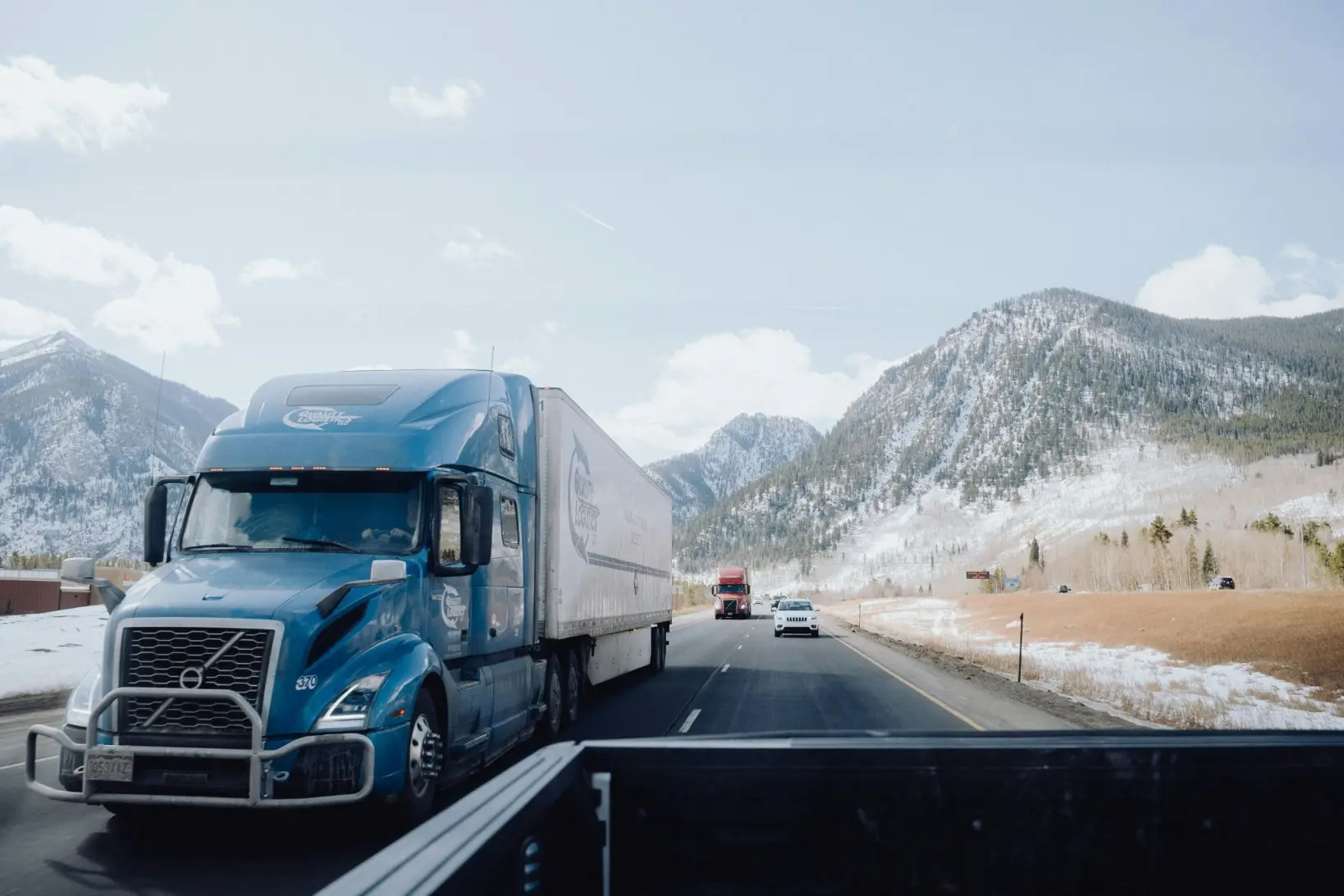
Proper vehicle preparation before mountain shipping includes checking fluid levels, battery condition, and tire pressure to prevent damage from extreme temperature changes. Some vehicles may require special preparation for high-altitude transport.
| Vehicle Type | Recommended Transport | Special Considerations |
| Luxury/Classic | Enclosed carrier | Climate protection, security |
| Standard vehicles | Open or enclosed | Cost vs. weather protection |
| Modified/Lowered | Enclosed with lift gates | Ground clearance protection |
| Motorcycles | Enclosed transport | Weather and debris protection |
Technology and Communication Solutions
Real-time weather monitoring systems provide mountain carriers with current conditions and forecasts for specific mountain passes and elevation zones. This information enables proactive route planning and helps avoid dangerous weather.
GPS tracking systems designed for mountain operation account for elevation changes and provide accurate location information even in areas with limited cell coverage. Customers can track shipments through mountain regions and understand delays caused by weather or route restrictions.
Communication systems that function in mountainous terrain ensure drivers can maintain contact with dispatch and emergency services. Satellite communication backup systems provide coverage in areas where cellular service is unreliable.
Dispatch Dudes utilizes advanced weather monitoring partnerships and communication systems to track real-time conditions on critical mountain routes, ensuring safe transport decisions and keeping customers informed about weather-related delays or route changes.
Get Expert Mountain Transport Service
Mountain car shipping requires specialized knowledge, equipment, and experience that standard carriers simply don’t possess. The unique challenges of elevation changes, severe weather, and demanding terrain make choosing the right transport company essential for safe, reliable service.
Understanding how mountains affect car shipping helps customers appreciate why mountain transport costs more and takes longer than standard highway shipping. The investment in specialized equipment, driver training, and safety protocols ensures vehicles arrive safely despite challenging mountain conditions.
For a reliable mountain transport service that understands Colorado’s unique challenges, contact us today to discuss your shipping needs. Dispatch Dudes combines specialized mountain expertise with the equipment and experience necessary to handle Rocky Mountain transport safely and efficiently.