 Skip to content

Transporting vehicles across Colorado presents unique challenges that many car owners never consider until they face them firsthand. The state’s mountainous terrain, with elevations regularly exceeding 5,000 feet, creates conditions that can affect both vehicles and transport equipment in unexpected ways.
How altitude affects vehicle transport becomes a serious concern when crossing mountain passes where air pressure drops significantly. Vehicle systems designed for sea-level operation may experience issues with fluid expansion, electrical components, and even tire pressure changes during high-altitude transit.
Colorado’s weather adds another layer of complexity to vehicle shipping. Sudden temperature drops, unexpected snowstorms, and dramatic weather shifts can occur with little warning. Whether cold weather damages vehicles during shipping is a valid question, especially during winter months when temperatures can plummet below freezing and stay there for extended periods.
Understanding these factors helps car owners make informed decisions about transport services and timing. How Colorado weather affects car shipping depends on seasonal conditions, route selection, and the protective measures transport companies employ to safeguard vehicles during transit.
The Science Behind High-Altitude Vehicle Transport
Altitude affects vehicle transport in ways that extend far beyond simply driving uphill. At elevations above 5,000 feet, atmospheric pressure decreases significantly, creating a chain reaction of effects throughout transported vehicles.
Changes in air pressure cause fluids to expand and contract differently than at sea level. Engine oil, brake fluid, and coolant all respond to these pressure variations. While modern vehicles are designed to handle these changes during normal operation, extended exposure during transport can stress seals and gaskets.
Tire pressure fluctuates with altitude changes. For every 1,000 feet of elevation gain, tire pressure typically decreases by 1-2 PSI. During transport, this means that tires properly inflated at pickup might be significantly underinflated by the time they reach high-altitude destinations.
Electronic systems face their own challenges at altitude. Lower air density affects cooling efficiency for sensitive components. Battery performance can also decline in extreme temperature and pressure combinations, particularly affecting hybrid and electric vehicles with complex battery management systems.
Weather-Related Risks During Colorado Transport
Colorado’s weather patterns create specific risks for vehicle transport that require careful planning and specialized equipment. Temperature extremes pose the most immediate threats to vehicles during shipping.
Cold weather can damage vehicles in multiple ways. Battery performance drops significantly in freezing temperatures. Fluids thicken, putting additional strain on pumps and circulation systems. Rubber components become brittle, increasing the risk of cracking in seals, belts, and hoses.
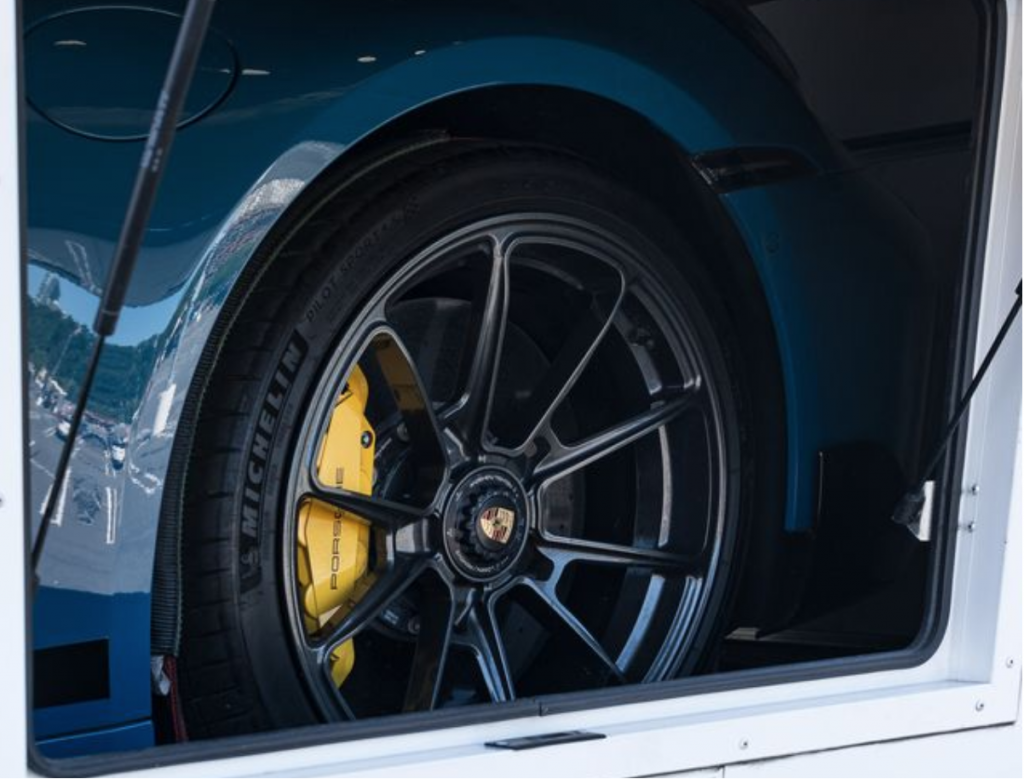
Snow and ice accumulation during transport can cause both immediate and long-term damage. Road salt used for winter driving creates corrosive conditions that accelerate rust formation on metal surfaces. Ice formation in crevices can expand and crack delicate components.
Rapid temperature changes, common in Colorado’s mountain regions, create thermal stress throughout vehicle systems. Materials expand and contract at different rates, potentially causing misalignment or stress fractures in sensitive components.
Wind conditions in mountain passes add another risk factor. High-profile transport trailers are subject to crosswinds that can affect stability and safety. Dust and debris carried by mountain winds can infiltrate vehicle systems if proper protection isn’t maintained during transport.
Specialized Transport Solutions for Colorado Conditions
Addressing Colorado’s unique transportation challenges requires specialized approaches beyond standard car shipping methods. Enclosed transport provides the first line of defense against weather-related damage and altitude effects.
Climate-Controlled Transport Options
Climate-controlled transport maintains consistent temperature and humidity levels regardless of external conditions. These specialized trailers use heating and cooling systems to protect vehicles from temperature extremes during mountain crossings.
Interior temperature regulation prevents fluid thickening and improves battery performance. Humidity control reduces condensation that can lead to electrical problems or interior moisture damage. This level of protection proves especially important for luxury vehicles, classic cars, and electric vehicles with sensitive battery systems.
Advanced enclosed trailers feature multi-zone climate control, allowing different temperature settings for various vehicle types. Air filtration systems prevent dust and debris infiltration during transport through dusty mountain regions.
Pressure Monitoring and Adjustment Systems
Professional transport services employ tire pressure monitoring systems that track changes during altitude transitions. These systems alert drivers to significant pressure drops, allowing for adjustments during scheduled stops.
Real-time monitoring prevents underinflation damage and ensures proper tire contact with the trailer surface. Automated adjustment systems can maintain optimal pressure levels throughout the transport journey, reducing stress on tire sidewalls and maintaining vehicle stability during loading and unloading.
Route Planning and Weather Monitoring Strategies
Successful Colorado vehicle transport depends heavily on intelligent route planning and real-time weather monitoring. Dispatch Dudes employs sophisticated systems to track weather patterns and adjust routes accordingly.
Professional transport companies maintain 24/7 weather monitoring stations that track conditions across all major Colorado routes. This information feeds into route-optimization software that identifies the safest routes while avoiding severe weather systems.
Alternative route planning becomes essential during the winter months when mountain passes may close without warning. Transport teams maintain detailed knowledge of secondary routes and their specific challenges, including grade percentages, weight restrictions, and seasonal limitations.
Timing coordination with weather windows allows transport teams to cross challenging terrain during optimal conditions. This might mean adjusting pickup and delivery schedules to avoid predicted storms or extreme temperature events.
Communication systems keep clients informed of weather-related delays or route changes. Transparent updates help manage expectations while ensuring vehicle safety remains the top priority throughout the transport process.
Pre-Transport Preparation for High-Altitude Shipping
Proper vehicle preparation becomes essential when shipping through Colorado’s challenging conditions. Pre-transport inspections identify potential issues before they become problems during high-altitude transit.
Fluid level verification ensures that all systems contain the appropriate amounts to accommodate expansion during altitude changes. Overfilled systems can leak or burst seals, while under-filled systems may lose prime during pressure variations.
Battery testing identifies weak batteries that might fail under altitude and temperature stress. Charging systems receive inspection to ensure they can maintain battery levels during extended transport periods.
Tire inspection includes tread depth measurement and sidewall examination for existing damage that altitude pressure changes might worsen. Proper initial inflation accounts for expected pressure drops during mountain crossings.
Documentation includes photographing existing damage and recording current odometer readings. This paperwork protects both transport companies and vehicle owners by establishing baseline conditions before high-altitude exposure.
The following preparation checklist ensures vehicles are ready for Colorado transport:
- Check and adjust tire pressure to the recommended levels
- Verify fluid levels in all systems
- Test battery charge and condition
- Remove or secure loose items from the interior
- Document existing damage with photos
- Ensure the fuel tank is between 1/4 and 1/2 full
- Check that alarm systems are disabled
- Verify that convertible tops are properly secured
Seasonal Considerations for Colorado Vehicle Transport
Different seasons present unique challenges for vehicle transport across Colorado’s varied terrain. Understanding these seasonal factors helps in planning optimal shipping times.
Winter Transport Challenges
Winter conditions create the most demanding environment for vehicle transport. Snow and ice affect both transport equipment and the vehicles being shipped.
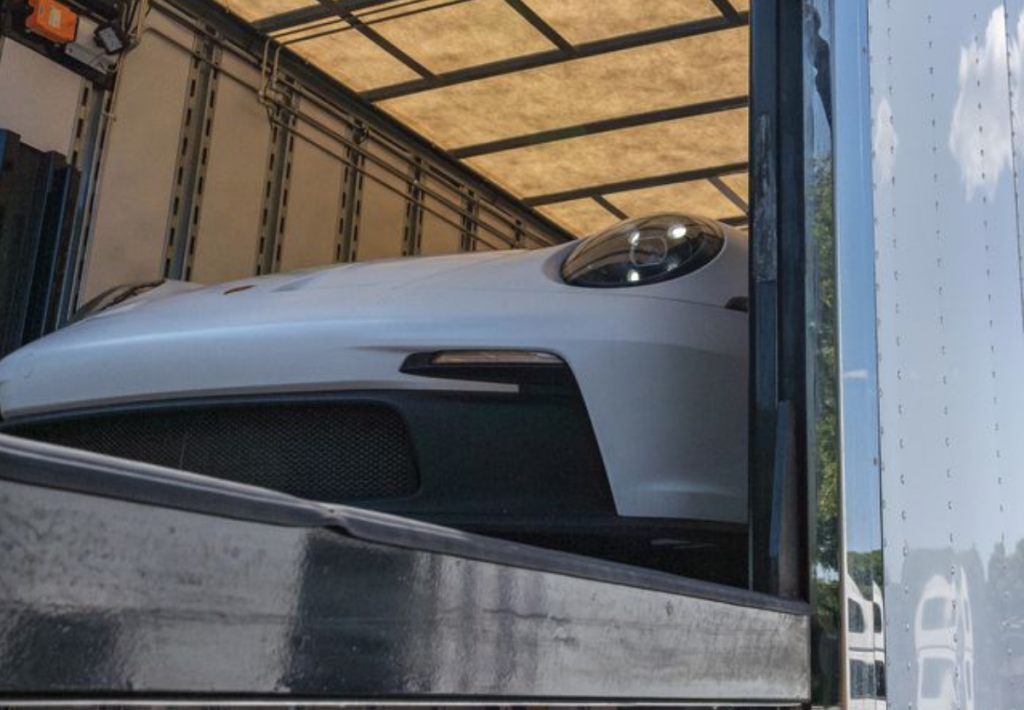
Road conditions require specialized equipment, including chains, enhanced braking systems, and improved traction control for transport trailers. Driver experience becomes essential on mountain roads, where winter weather demands expert handling.
Vehicle protection intensifies during the winter months. Salt exposure requires immediate post-transport washing to prevent corrosion. Cold soaking can affect battery performance and fluid systems for weeks after transport.
Scheduling flexibility becomes important as weather delays are common during winter transport. Alternative dates and flexible pickup windows help accommodate weather-related schedule changes.
Summer Heat and UV Exposure
Summer transport presents different challenges, particularly UV exposure and heat damage. High-altitude UV radiation intensifies due to thinner atmospheric protection.
Interior temperature protection prevents dashboard cracking and upholstery fading during extended exposure to the sun. Window tinting and reflective covers provide additional protection during open-trailer transport.
Paint protection becomes important as UV exposure at altitude can accelerate fading and clear coat damage. Enclosed transport eliminates UV exposure entirely while providing temperature control for sensitive finishes.
Insurance and Protection Considerations
Transport insurance becomes even more important when shipping vehicles through Colorado’s challenging conditions. Standard coverage may not account for altitude and weather-related risks.
| Coverage Type | Standard Transport | High-Altitude Transport | Premium Protection |
| Basic Liability | $50,000 | $75,000 | $100,000+ |
| Comprehensive | Limited | Weather Events | Full Environmental |
| Electronics | Not Included | Battery Systems | All Components |
| Interior | Basic | Climate Damage | Complete Coverage |
Specialized policies address altitude-specific risks, including pressure-related damage and temperature extremes. These policies often include coverage for electronic system failures and fluid system issues related to altitude changes.
Documentation requirements increase for high-altitude transport. Detailed pre- and post-transport inspections help determine whether any damage occurred during shipping or was pre-existing.
Claims processing for altitude-related damage requires an understanding of how elevation affects vehicle systems. Working with transport companies that maintain detailed knowledge of these issues helps ensure fair claims resolution.
Technology Solutions for Safe Colorado Transport
Modern transport companies employ advanced technology to monitor and protect vehicles during Colorado transit. GPS tracking provides real-time location updates and route verification.
Temperature and humidity sensors throughout enclosed trailers maintain detailed environmental logs. This data helps identify any exposure to harmful conditions during transport.
Communication systems keep all parties informed of transport progress and any weather-related delays. Mobile apps provide clients with real-time updates and estimated delivery windows.
Maintenance tracking for transport equipment ensures trailers and trucks remain in optimal condition for challenging mountain roads. Regular inspections and preventive maintenance reduce the risk of equipment failures during transport.
The following table shows key technology features used in professional Colorado vehicle transport:
| Technology | Function | Benefit |
| GPS Tracking | Real-time location | Route verification |
| Climate Sensors | Temperature/Humidity | Environmental protection |
| Pressure Monitors | Tire pressure tracking | Altitude adjustment |
| Communication Apps | Status updates | Client information |
Choosing Professional Colorado Transport Services
Selecting appropriate transport services for Colorado shipping requires evaluating experience with high-altitude conditions and weather challenges. Not all transport companies possess the specialized knowledge needed for safe mountain transport.
Experience with Colorado routes indicates familiarity with specific challenges, including elevation changes, weather patterns, and seasonal restrictions. Companies should demonstrate knowledge of alternative routes and contingency planning.
Equipment specifications matter significantly for Colorado transport. Enclosed trailers with climate control provide superior protection compared to open carriers. Specialized tie-down systems account for altitude-related pressure changes.
Driver qualifications should include mountain driving experience and training on weather conditions. Emergency response capabilities help address unexpected situations that commonly occur in mountain environments.
Insurance coverage must address altitude and weather-specific risks. Standard policies may not cover damage resulting from elevation changes or exposure to extreme weather during transport.
Expert Colorado Vehicle Transport Solutions
When Colorado’s challenging altitude and weather conditions threaten your vehicle during transport, professional expertise makes all the difference. Understanding how elevation and extreme weather affect vehicle systems helps you make informed decisions about transport services.
High-altitude transport requires specialized knowledge, proper equipment, and experienced teams who understand the unique risks involved. Climate-controlled enclosed transport, real-time weather monitoring, and altitude-specific protocols protect your vehicle throughout the journey.
Don’t trust your vehicle to standard transport services that lack experience in Colorado. Contact our experts at Dispatch Dudes today to discuss your high-altitude transport needs and discover how our specialized Colorado protocols keep your vehicle safe at any elevation or weather condition.