Best Long Distance Car Shipping Services

Best Long Distance Car Shipping Services 2026
Compare the best long distance car shipping services for 2026. See pricing, insurance limits, transit times, and which provider is right for your vehicle.

Shipping a car across the country doesn’t have to be stressful or expensive, but picking the wrong company can cost you weeks and thousands of dollars. Prices vary widely, transit times typically average around two weeks, and only a fraction of carriers are upfront about their insurance limits. Here are the 10 best long distance car shipping services, starting with our top pick.

1. Dispatch Dudes (Our Top Pick) , Fast, Fully Insured Door‑to‑Door Shipping

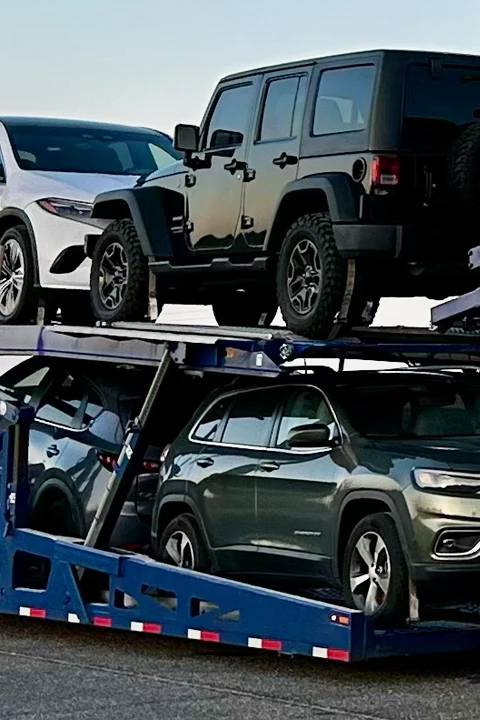
nnlong distance car shipping truck on a US highway.nn

Dispatch Dudes is our top pick for long distance car shipping, and it’s not close. Based in Boynton Beach, FL, we offer door-to-door open and enclosed transport across all 48 contiguous states, with expedited scheduling that can get your vehicle picked up in as little as 24 hours. The industry’s typical window is 7 to 24 days , that 24-hour option is a genuine outlier.

nn

We accept non-running vehicles, which only about 18% of carriers in the market can say. Every shipment moves through fully insured carriers, and we’re BBB accredited, recognized by Forbes Business Council, and named a Newsweek Readers Choice pick. Our dedicated advisors walk you through every step, from instant quote to delivery confirmation.

nn

The one honest caveat: expedited service carries a 15 to 35% premium over standard rates. If your timeline is flexible, standard scheduling keeps costs closer to the market median of $869. Get an instant quote at Dispatch Dudes’ door-to-door car shipping page and see a real price in seconds.

nnnn

2. Open Trailer Transport Services

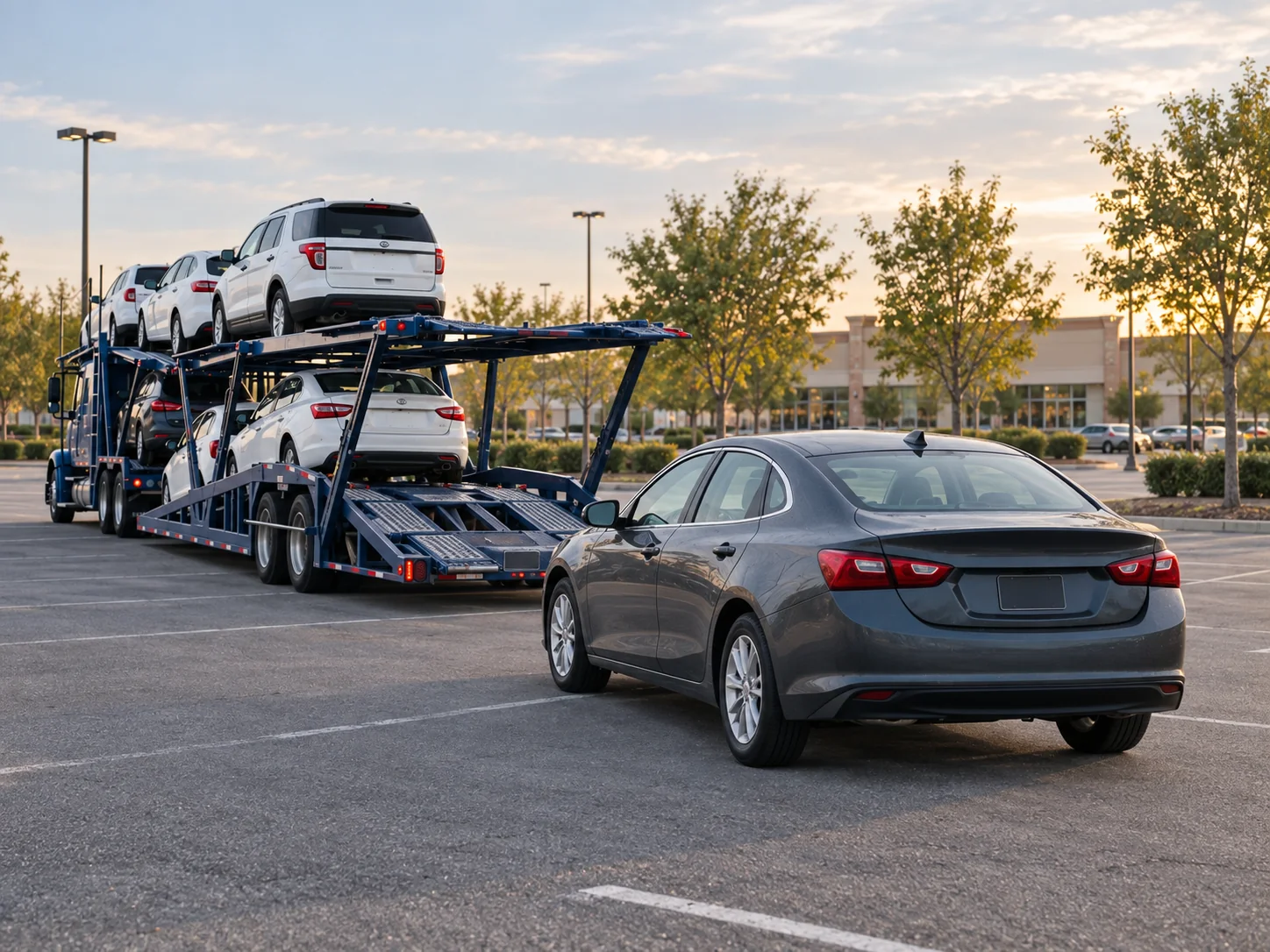
open trailer car transport carrier on a US interstate.

A long‑standing carrier in the open‑trailer network operates nationwide, shipping cars, motorcycles, trucks, classic cars, and trailers—anything that fits within standard width and height limits.

Open trailers provide substantial insurance coverage, and enclosed trailers offer higher coverage. If your vehicle is valuable, consider discussing additional protection with your insurer. Quotes are valid for 30 days, giving you time to compare without pressure.

Terminal‑to‑terminal service costs less than door‑to‑door on this network, so if you can drop off and pick up at a local hub, you’ll save money. Fuel prices directly affect rates, so locking in a quote early in a volatile market is smart. Best for people who want an established carrier with flexible service tiers.

3. AmeriFreight , Broker Service with Real‑Time Tracking

AmeriFreight operates as a broker, not a carrier. That distinction matters. Brokers arrange transportation by connecting your shipment with an authorized carrier; they don’t own the trucks. Federal regulations require brokers to maintain detailed transaction records, including carrier identity and insurance filings, for at least three years.

What AmeriFreight adds is coordination across a wide carrier network, military discounts, and an optional gap protection plan that covers damage beyond the carrier’s standard cargo policy. They’re BBB accredited with an A rating and have over 1,500 reviews on BBB alone. Their real-time tracking keeps you updated during transit.

The trade-off with any broker model: you’re not booking directly with the truck driver. If a problem arises during transport, your first call goes to AmeriFreight, who then contacts the carrier. That extra layer works fine in most cases, but it’s worth knowing before you book. Good fit for budget-conscious shippers who want military or student discounts and don’t need same-day pickup.

4. Door‑to‑Door Car Shipping Broker

This type of door‑to‑door broker markets a damage‑free guarantee, screening carriers to meet quality standards. Every customer gets a single carrier who picks up and drops off directly, with no terminal stops.

Pricing varies based on distance and service type; open transport rates start at a few hundred dollars for shorter hauls, while enclosed transport for long distances is higher. Cross‑country open transport typically falls within a moderate price range.

One reviewer shipped from Los Angeles to Champaign, IL and had the car arrive in three days in perfect condition, that’s on the fast end for mid‑distance routes. The honest limit: like all brokers, they can’t guarantee exact pickup dates. A two to three day window is the industry norm, not an exception. Best for shippers who want strong damage accountability and a single point of contact.

Pro Tip: Before any carrier picks up your vehicle, photograph every panel, the interior, and the odometer. The Bill of Lading signed at pickup is the only document that protects you if damage appears at delivery , if a scratch isn’t noted there, the claim will be denied.

5. Large Fleet Auto Transport Broker, Flexible Scheduling

The broker operates one of the largest auto transport networks in the country, with service across all 50 states and a disclosed insurance limit of $250,000, one of the higher figures in the industry. Most carriers in the market don’t publish their coverage at all, so that transparency is worth noting. They handle luxury, antique, and standard vehicles.

Their network size means better carrier availability on less common routes, which is where smaller brokers sometimes struggle to find trucks. Scheduling flexibility is a real advantage here, if you need to ship between cities that aren’t on major transport corridors, the broker’s volume gives them more options to work with.

Pricing is competitive with the market median. Open transport quotes are typically available upon request for most cross-country routes. The broker is a solid choice for standard vehicles on common routes, though for same-day or expedited needs, Dispatch Dudes remains the faster option.

6. uShip , Marketplace for Competitive Bids

nn

uShip works differently from every other option on this list. You post your shipment as a listing, and carriers from a nationwide network submit bids. You can also book instant rates on eligible routes. The platform shows carrier profiles, feedback ratings, and customer reviews side by side, which makes comparison genuinely transparent.

nn

Average car shipping costs on uShip range from $250 to $1,000 for shorter distances and $500 to $2,000 or more for cross-country transport, depending on route and vehicle type. The competitive bidding model can surface lower prices than a fixed-rate broker on popular lanes. uShip also offers a Protection Plan for added coverage during transit.

nn

The downside is that you’re doing more of the vetting work yourself. Reading carrier profiles, checking feedback scores, and comparing bids takes time. As one auto transport creator on YouTube put it, avoid public load boards full of uninsured or inexperienced operators , uShip’s feedback system helps filter those out, but you still need to check USDOT and MC numbers independently. Best for patient, price-sensitive shippers on major routes.

nn

Online Quote & Booking Services

Online quote and booking platforms target customers who want a fast, friction‑free booking experience. The model is straightforward: enter your vehicle details and route, receive an instant estimate, and confirm the shipment online without a sales call. For shippers who find the traditional broker process frustrating, that simplicity provides real value.

Delivery times for most routes typically fall between one and seven days after pickup, with cross‑country shipments often toward the longer end of that range. Expedited options are available for faster delivery at a higher cost. The platform works well for standard sedans and SUVs on popular corridors such as Florida to New York or California to Texas, where carrier availability is high and rates remain competitive.

These services may be less differentiated for specialty vehicles. If you are moving a non‑running car, a classic, or an oversized truck, a more specialized provider may better meet those needs. For a standard vehicle on a common route with a preference for clean online booking, it is a capable option.

8. Enclosed Transport Providers

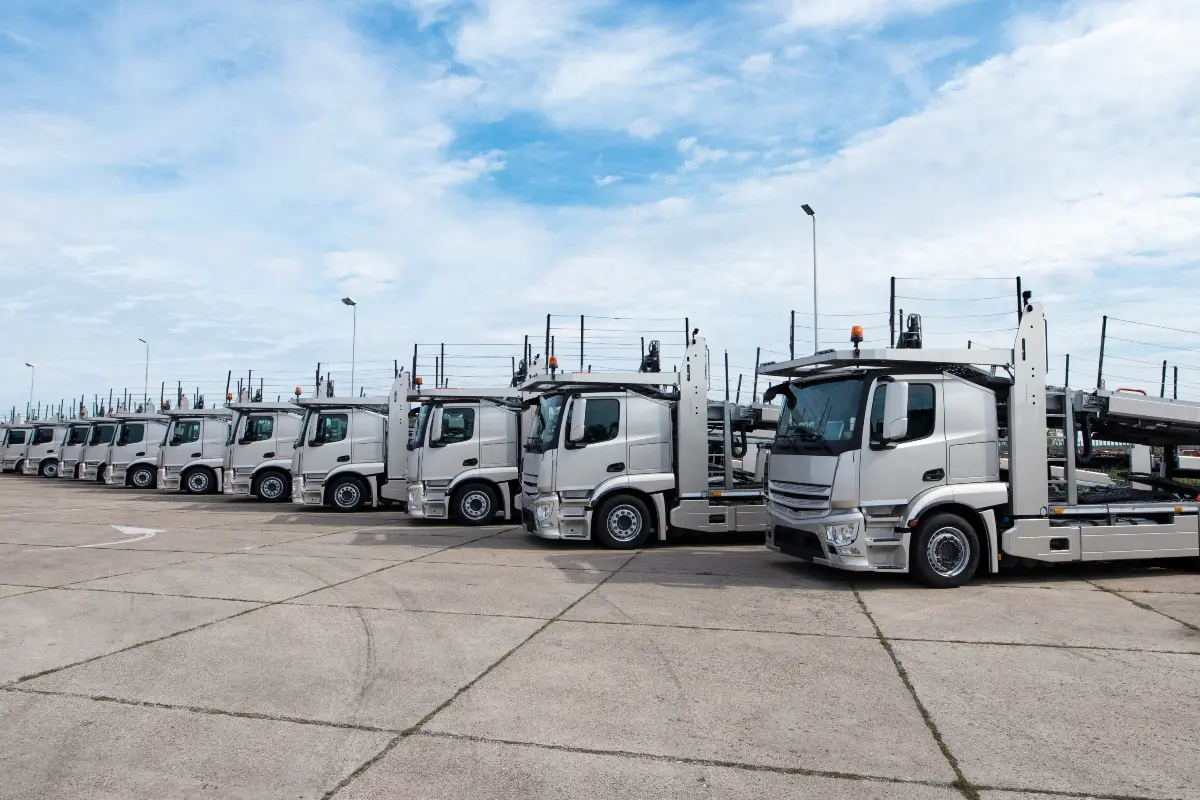
Enclosed transport providers often have decades of experience and move thousands of vehicles each year. They operate extensive networks of terminals and carriers, providing real logistics infrastructure rather than relying solely on broker relationships. Real‑time satellite tracking is commonly included on shipments.

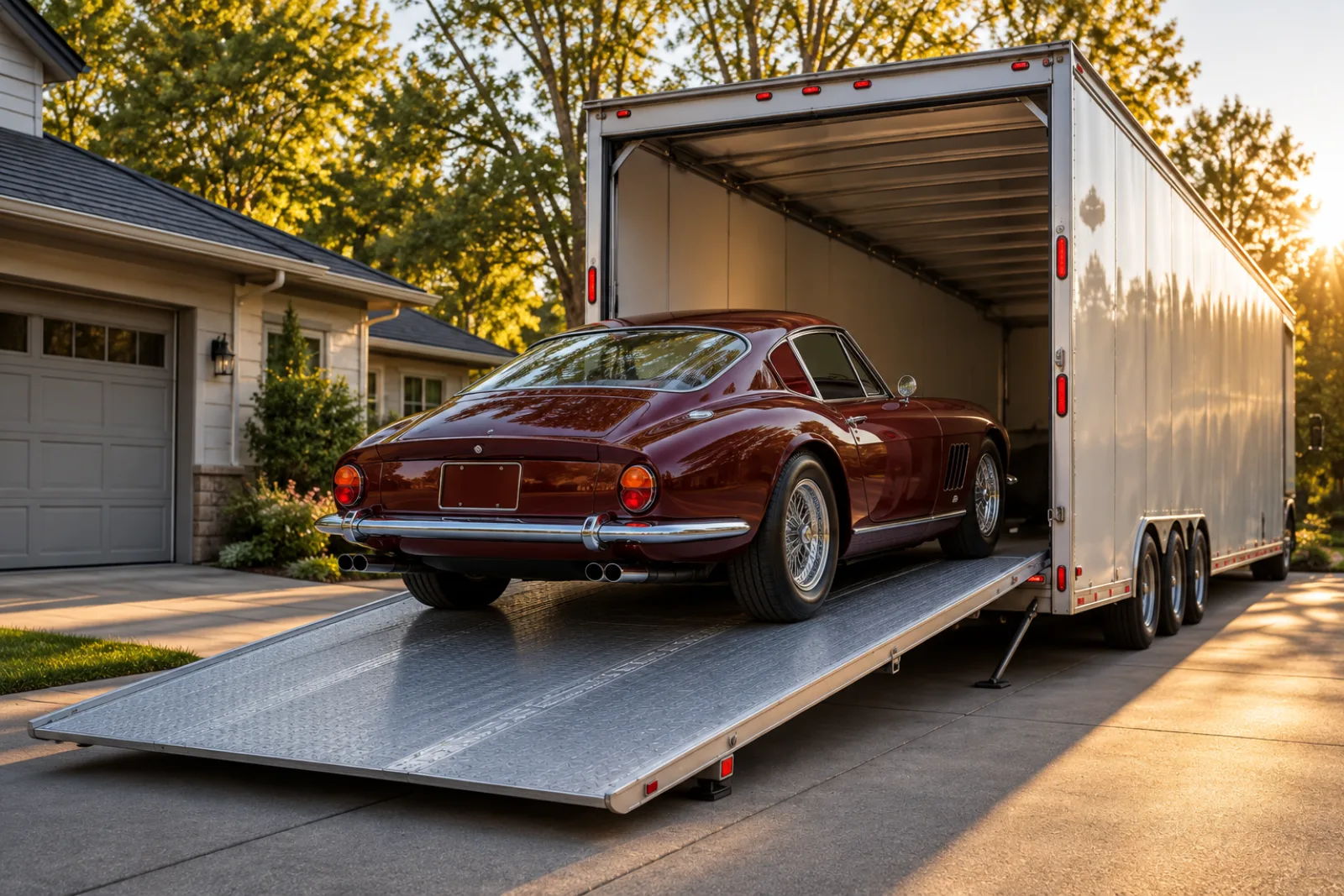
Their enclosed service is the primary offering. They handle classic, sports, and exotic vehicles with carriers equipped for low‑profile and high‑value loads. For high‑value vehicles, enclosed shipping protects against road debris and weather, and many open haulers are reluctant to accept such cars.

Discounts may be available for veterans, military personnel, college students, seniors, and dealerships. Per‑mile rates on long‑distance routes typically decrease as distance increases, and longer shipments often receive lower per‑mile pricing. Enclosed trailer availability can be tighter than open, so lead times may vary by route and season. For a detailed cost breakdown, see the enclosed car transport cost guide at Dispatch Dudes.

9. Oversized Vehicle Shipping, Flatbed & Goose‑Neck Options

Many standard car carriers have size limits, often around 8.5 feet wide and 13 feet tall. Oversized vehicle shipping services fill that gap with flatbed and gooseneck trailer options that can accommodate oversized vehicles, trailers, and equipment that standard open carriers cannot handle. A gooseneck trailer is driven onto and tied down, making it suitable for heavy trucks and large SUVs that exceed typical carrier weight limits.

These services typically offer door‑to‑door delivery without using intermediate terminals, which can reduce transit time and lower the risk of handling damage. When a vehicle is loaded onto a dedicated carrier, it usually remains on that carrier until it reaches its destination.

Quotes are often valid for 30 days and may come with flexible cancellation policies. Pricing varies based on vehicle size, weight, and route, so obtaining a specific quote is recommended rather than relying on generic estimates. This option is ideal for people shipping trucks, large SUVs, trailers, or any vehicle that won’t fit on a standard multi‑car hauler.

10. Specialized Classic Car Transport Options

For high‑value and collector vehicles, specialized classic car transport providers have long been the benchmark. They typically offer extensive cargo insurance above industry averages and use enclosed trailers with advanced suspension and lift gates. The suspension helps absorb road vibration, which matters for concours‑condition vehicles where even minor paint disturbance is unacceptable.

Auction houses often rely on these providers for sales in locations such as Pebble Beach, Scottsdale, and Amelia Island, which serves as a trust signal. They also transport non‑running classic cars as long as the vehicle can roll, steer, and brake, with an extra charge for additional loading equipment.

These providers never use open trailers or subcontract to other auto transport companies; each vehicle moves in their own enclosed fleet. Scheduling may require more lead time than standard carriers because demand is consistently high. For very high‑value vehicles, the added premium for specialized service is typically justified. For standard vehicles, a full enclosed‑only specialist may be more cost than needed.

Key Takeaway: The carrier’s cargo insurance limit, not their general liability policy, is what actually covers your vehicle during transit. Always ask for the specific cargo insurance limit before booking.

What to Look For When Choosing a Long‑Distance Car Shipper

The auto transport industry has a real transparency problem. Only 29% of carriers publish transit time information, and only 18% disclose insurance limits. That means most of the information you need to make a good decision isn’t volunteered , you have to ask for it.

Here’s what to verify before you commit to any provider:

  • License verification:Ensure the carrier holds a valid operating license and registration. Verify their authority number on the appropriate regulatory database. An unlicensed carrier is operating illegally.
  • Cargo insurance limit:Ask specifically for the Motor Truck Cargo limit, not just confirmation that the carrier is “insured.” Liability insurance covers third‑party damage, while cargo insurance protects your vehicle. Ensure the policy provides sufficient coverage per vehicle.
  • DOT number verification:Once a carrier is assigned to your shipment, look them up on the FMCSA database or at airride.com, which maintains a public database of trucking companies with commercial history and ratings. If a carrier isn’t listed there, that’s a red flag.
  • Pickup window, not a date:No legitimate broker can guarantee an exact pickup date. The industry standard is a two to three day window. Anyone who promises a specific time without charging a significant premium for it is not being straight with you.
  • Deposit timing:Reputable companies don’t require a large deposit before a carrier is assigned. Payment at carrier assignment , not at quote , is the industry norm.

Seasonal pricing is also worth knowing. Winter months, especially February, tend to have lower demand and more competitive rates. Summer and snowbird migration seasons (October through December in Florida‑bound lanes) push prices up and reduce carrier availability on popular routes.

Door-to-door service costs more than terminal-to-terminal, but it’s almost always worth it. Terminal-to-terminal means your vehicle may sit in a lot and change hands multiple times, increasing both transit time and handling risk.

Comparison Table: Key Features of the 10 Providers

Use this table to match your specific situation to the right provider. The columns reflect the decisions that matter most: service type, insurance transparency, specialty, and best use case.

Provider Service Type Insurance Transparency Non-Running Vehicles Best For
Dispatch Dudes Broker/Carrier, Open & Enclosed, Door-to-Door Fully insured carriers, disclosed Yes Speed, expedited, all vehicle types
Regional Carrier Carrier, Open & Enclosed, Door-to-Door or Terminal Standard coverage disclosed — Established carrier with flexible options
AmeriFreight Broker, Open & Enclosed Gap protection plan available — Military/student discounts, budget shippers
Broker with Door-to-Door service Broker, Open & Enclosed, Door-to-Door Damage protection program — Damage accountability, single carrier
Montway Auto Transport Broker, Open & Enclosed, All 50 States $250K disclosed — Large network, uncommon routes
uShip Marketplace, Open & Enclosed Protection Plan available — Competitive bidding, price-sensitive
Online broker with simple booking Broker, Open & Enclosed, Online Booking — — Simple online booking, standard vehicles
Carrier/Broker with extensive terminal network Carrier/Broker, Open & Enclosed, 40 Terminals Full coverage disclosed, limits vary Yes (inoperable) Enclosed, classic/exotic, military discounts
Carrier offering flatbed and gooseneck options Carrier, Open, Flatbed, Gooseneck, Door-to-Door — — Oversized vehicles, trailers, trucks
Specialized enclosed carrier for high-value vehicles Carrier, Enclosed Only, Door-to-Door High coverage disclosed Yes (rolls/steers/brakes) High-value, collector, auction vehicles

Pricing across the market varies widely based on distance, vehicle size, and transport type. Open carrier rates for long-distance shipments depend on mileage and vehicle specifics, while enclosed transport generally costs more due to added protection. Prices differ among carriers, so obtaining quotes is essential.

Key Takeaway: If you need your vehicle moved fast and want full transparency on insurance and pricing, Dispatch Dudes is the right starting point , get an instant quote and see a real number before committing to anything.

Frequently Asked Questions

nn

How much does long distance car shipping cost?

n

Long distance car shipping typically costs between $800 and $1,250 for most cross-country routes using open transport. The median quoted price across carriers is around $869. Enclosed transport adds 30 to 50 percent on top of that. Factors that push costs higher include vehicle size, rural pickup locations, expedited scheduling, and peak demand seasons like summer and the Florida snowbird migration window.

nn

How long does it take to ship a car across the country?

n

The industry average transit time is 13 to 14 days, with a range of 7 to 24 days depending on route and carrier availability. Coast-to-coast shipments between major cities typically take 7 to 10 days once the carrier is assigned. Expedited options can compress the pickup window to 24 to 48 hours, though the driving time on the road stays the same regardless of service level.

nn

Is open or enclosed transport better for long distance shipping?

n

Open transport is the right choice for standard daily drivers , it’s less expensive, carrier availability is higher, and lead times are shorter. Enclosed transport is worth the premium for vehicles valued at $70,000 or more, low-profile cars that can’t safely load onto open ramps, and classic or collector vehicles where any road debris contact is unacceptable. Enclosed transport costs roughly 30 to 50 percent more for the same route.

nn

What should I check before hiring a car shipping company?

n

Verify the broker’s active MC number on the FMCSA website before booking anything. Once a carrier is assigned, confirm their USDOT number and check their history on the FMCSA database. Ask specifically for the Motor Truck Cargo insurance limit , not just confirmation they’re “insured.” Avoid companies that demand a large deposit before assigning a carrier, and never book based on the lowest quote alone.

nn

Can I put personal items in my car during shipping?

n

Most carriers allow items in the trunk and passenger compartment below the window line, but personal belongings are not covered by the carrier’s cargo insurance. If the car is stolen or damaged and items are inside, those items are excluded from any claim. Keep personal items minimal and remove anything valuable. Some carriers also restrict trunk weight, so check their specific policy before loading.

nn

When is the cheapest time to ship a car long distance?

n

February is generally the most affordable month for car shipping , demand is low and carriers are more willing to reduce rates to fill loads. Winter months overall tend to have lower prices than summer. The most expensive periods are summer (June through August) and the fall snowbird season on Florida-bound routes (October through December). Booking two to three weeks in advance on any route also helps secure better pricing.

nn

Conclusion

nn

For most people shipping a vehicle across the country, Dispatch Dudes is the right call , door-to-door delivery, fully insured carriers, expedited scheduling when you need it, and the ability to move non-running vehicles that most carriers won’t touch. If your budget is tight and your timeline is flexible, AmeriFreight or uShip can work well on major corridors. For high-value or collector vehicles, go enclosed and verify the cargo insurance limit before you sign anything. Get your instant quote at Dispatch Dudes and have a real price in hand before you compare anything else.

Leave a Comment

Your email address will not be published. Required fields are marked *

Scroll to Top