 Skip to content


Ship a Car
to Another State
Plan an interstate vehicle move with a clear view of the quote, assigned carrier, pickup window, transport equipment, inspection, and payment stages. Dispatch Dudes coordinates car shipping as a licensed auto-transport broker; the assigned motor carrier supplies the truck and physically moves the vehicle.
Requesting a quote starts the evaluation. It is not the same as a carrier accepting the shipment. No deposit is due until a carrier is assigned and its credentials are sent.

Get a Quote for Your Route and Vehicle
A useful quote starts with the actual move. Two prices are only comparable when they cover the same equipment, timing, access, and vehicle condition.
Price factors: Route · Vehicle · Trailer · Pickup window · Address access · Carrier availability
Estimate
Route and vehicle details establish the first price. Origin, destination, year, model, operability, and date range make the estimate specific enough to compare.
Confirmed scope
Trailer type, access, pickup flexibility, modifications, and fixed deadlines are recorded in writing so another quote can be compared on the same basis.
Carrier assignment
A specific licensed carrier accepts the move. Its name, USDOT number, and applicable cargo-policy information are shared before pickup.
Pickup and delivery
Condition is documented on the Bill of Lading at pickup and checked again at delivery. Payment follows the stages agreed for the shipment.
The lower-cost approach is usually the one that gives the route more workable carrier options—often open transport, a flexible pickup window, and accessible meeting locations. That is a tradeoff to price for the actual vehicle, not a universal “cheapest way” promise.
Choose Open or Enclosed Transport
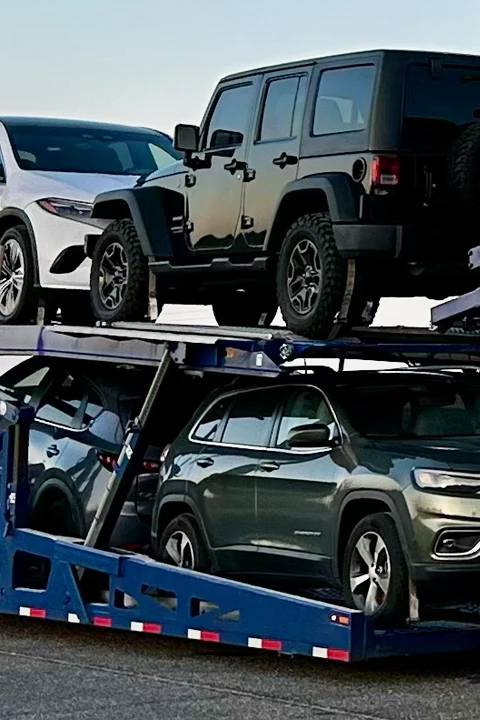
Open transport
Open transport is the usual fit for standard daily drivers. The vehicle shares an open car-carrier trailer, which normally provides broader carrier availability than enclosed equipment. It remains exposed to normal road and weather conditions during transit.
Best fit: a normally running vehicle with standard clearance that does not require a covered trailer or specialized loading equipment.
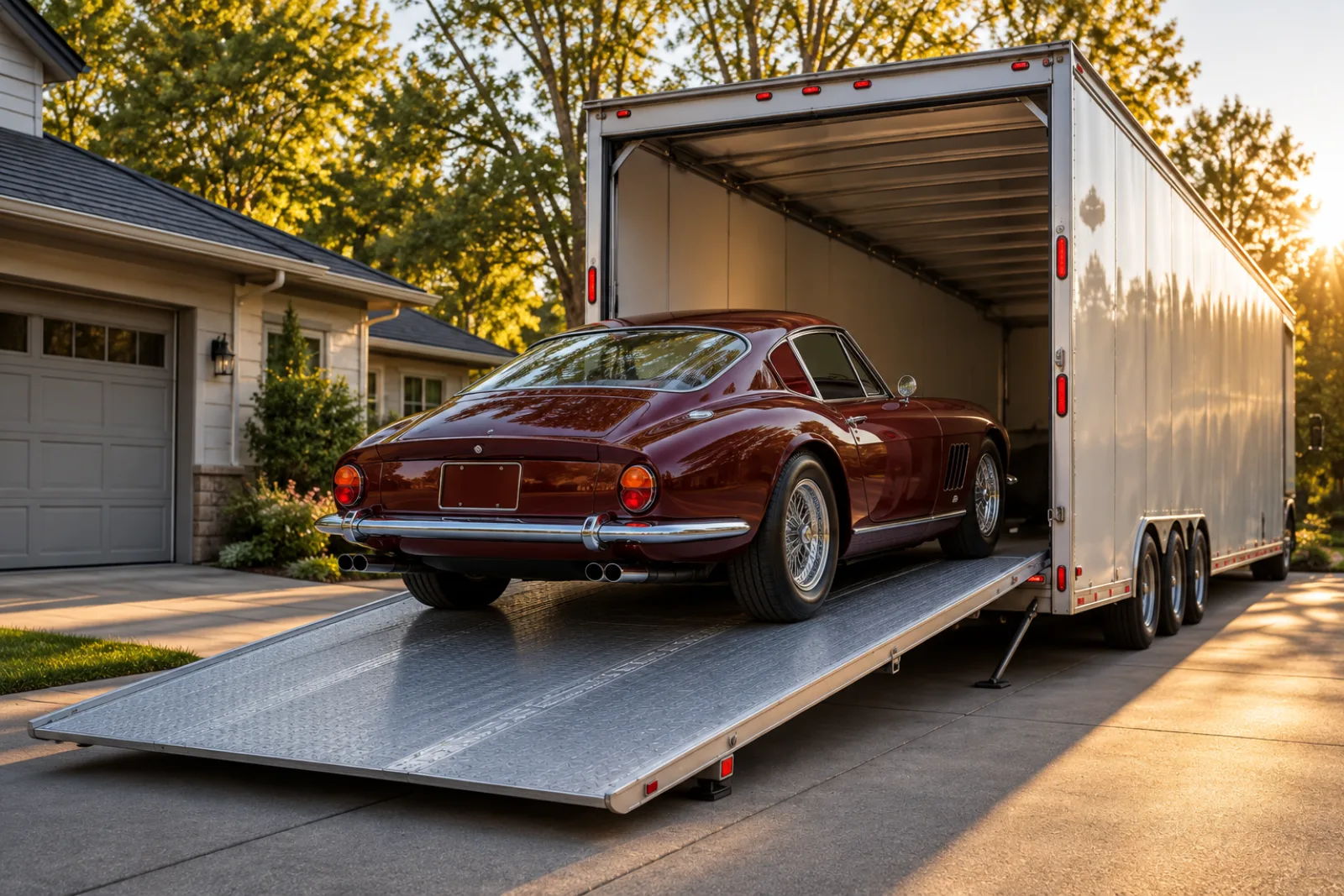
Enclosed transport
Enclosed transport places the vehicle inside a covered trailer. It is commonly considered for classic, exotic, luxury, low-clearance, or condition-sensitive vehicles. Trailer walls are only one part of the choice; liftgate availability, loading angle, operability, and route coverage may matter just as much.
Best fit: a vehicle whose value, finish, clearance, or loading geometry warrants a specialized equipment discussion.
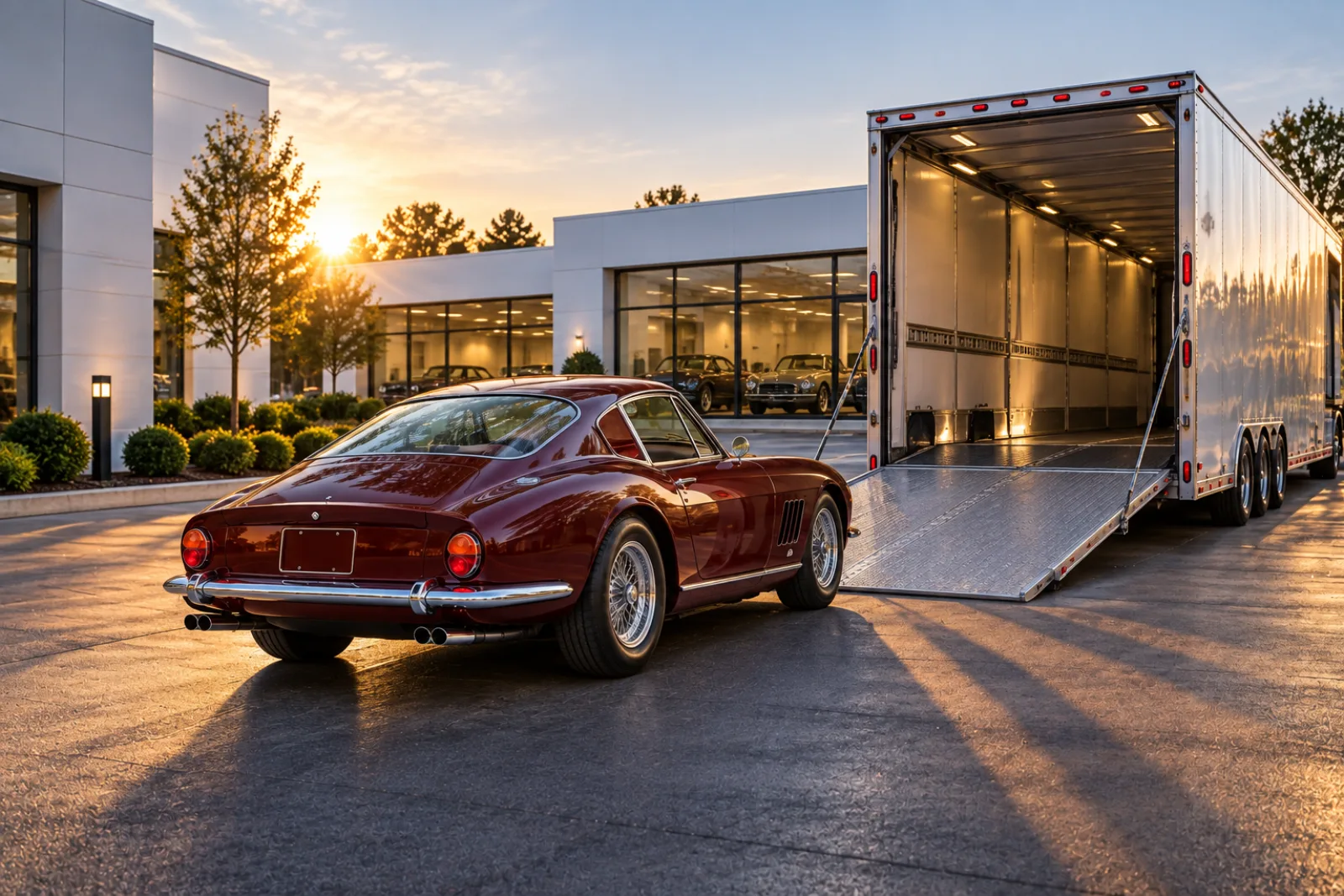
When the pickup window—not road speed—is the constraint
Auction releases, flights, work starts, and lease deadlines can make a tighter pickup request important. Expedited service focuses on carrier availability and assignment timing; it does not promise faster or unsafe driving after loading.
Share the real deadline before the route is priced.
Plan Pickup and Delivery Around Your Move
If you need pickup tomorrow, ask what is actually available on the lane. An urgent request is not an exact-day guarantee.
Fixed dates
Share lease endings, flights, moving-truck schedules, auction releases, work dates, or a new-home handoff before the route is priced.
Coordination starts
Booking records the intended move. It does not yet identify the truck that will collect the vehicle.
A carrier accepts
Carrier assignment identifies the truck expected to collect the vehicle and makes its credentials available for review.
The window begins
The pickup window is when the assigned carrier is expected to arrive. Tight dates may require a wider window, another meeting point, or a different service option.
Road time starts
Transit time begins after loading and depends on route length, legal driving limits, weather, traffic, and other stops.
Arrival is coordinated
The carrier contacts the receiving party as it approaches and confirms a safe, legal place for the final inspection.
Confirm Pickup and Drop-Off Access
Door-to-door auto transport means the carrier gets as close to each address as it can safely and legally operate. A full-size truck may not be able to enter a narrow residential street, low-clearance area, restricted community, crowded downtown block, or road with weight limits.
Before assignment, disclose access limits at both ends. If the truck cannot reach the address, agree on a nearby wide street, parking area, or other safe meeting location.
Confirm who will be present, which phone number the driver should use, and whether a representative needs authorization to release or receive the vehicle.
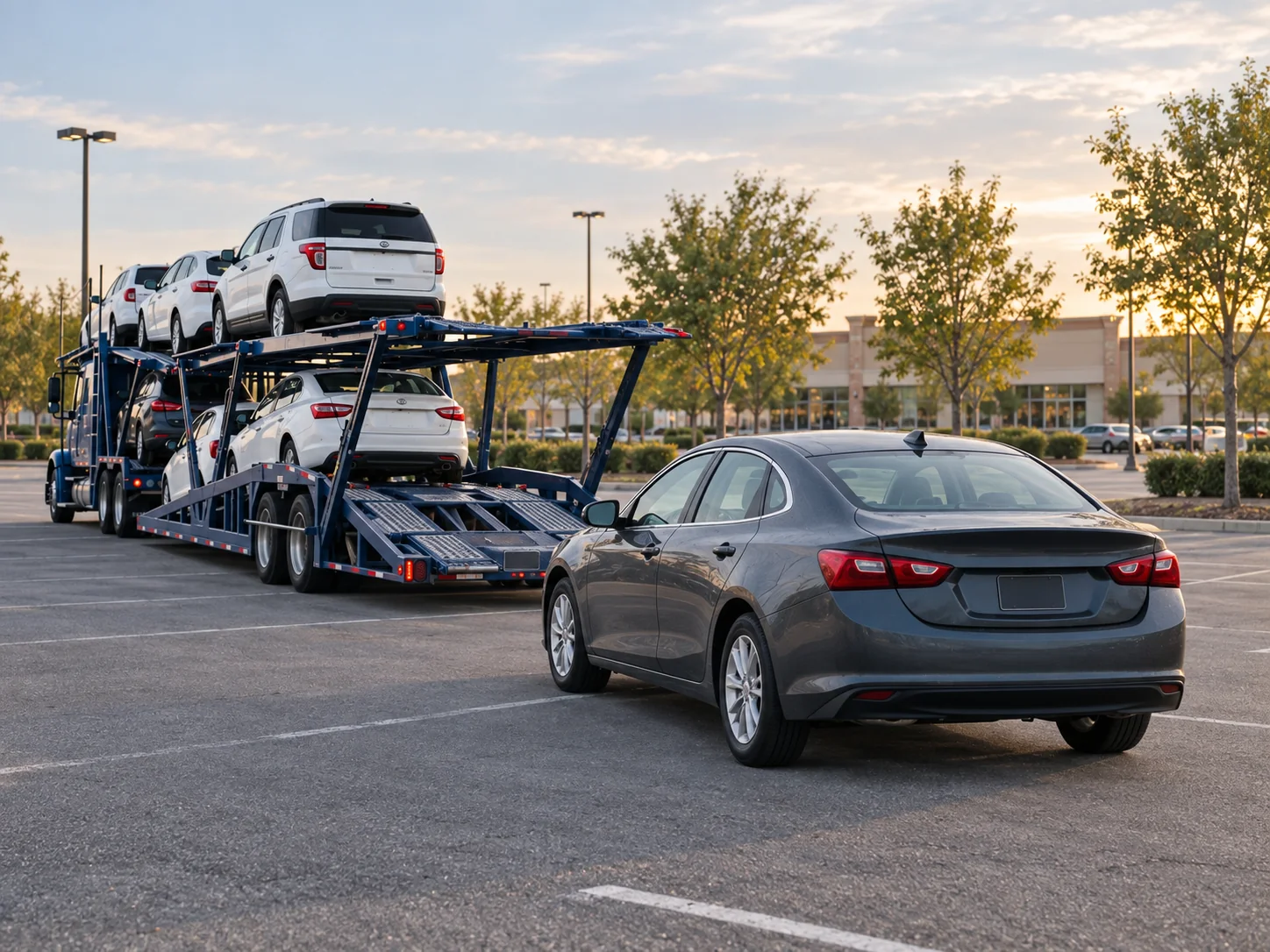
Prepare Your Vehicle and Documents
Preparation gives the assigned carrier the right equipment information and gives both parties a clear condition record.
Vehicle operation
Say whether the vehicle starts, rolls, steers, and brakes.
Clearance and condition
Disclose low clearance, modifications, leaks, loose parts, and alarm instructions.
Keys and fuel
Leave the required keys and only the fuel level requested for loading.
Personal items
Remove valuables and follow the written carrier-specific policy. Do not assume belongings are covered simply because they were allowed in the vehicle.
Pickup record
Photograph every side, note existing damage during the carrier inspection, and keep your pickup Bill of Lading.
Documents and authority
Confirm identification, keys, contact authorization, and any lender, dealer, auction, or representative requirements for the specific vehicle.
At delivery, compare the vehicle with the pickup record before signing. If you notice a condition concern, note it on the delivery Bill of Lading, photograph it, and follow the assigned carrier’s reporting instructions promptly. A title is not presented here as a universal requirement for every domestic shipment.
Know Who Carries Your Car and What the Terms Cover
Broker status describes the arranging role. The carrier owns the physical transport. The Bill of Lading connects the two handoffs.
Dispatch Dudes coordinates
Dispatch Dudes collects the shipment details, seeks a suitable licensed carrier, shares assignment information, coordinates the handoffs, and remains a contact when plans change. Dispatch Dudes does not own the truck moving the vehicle.
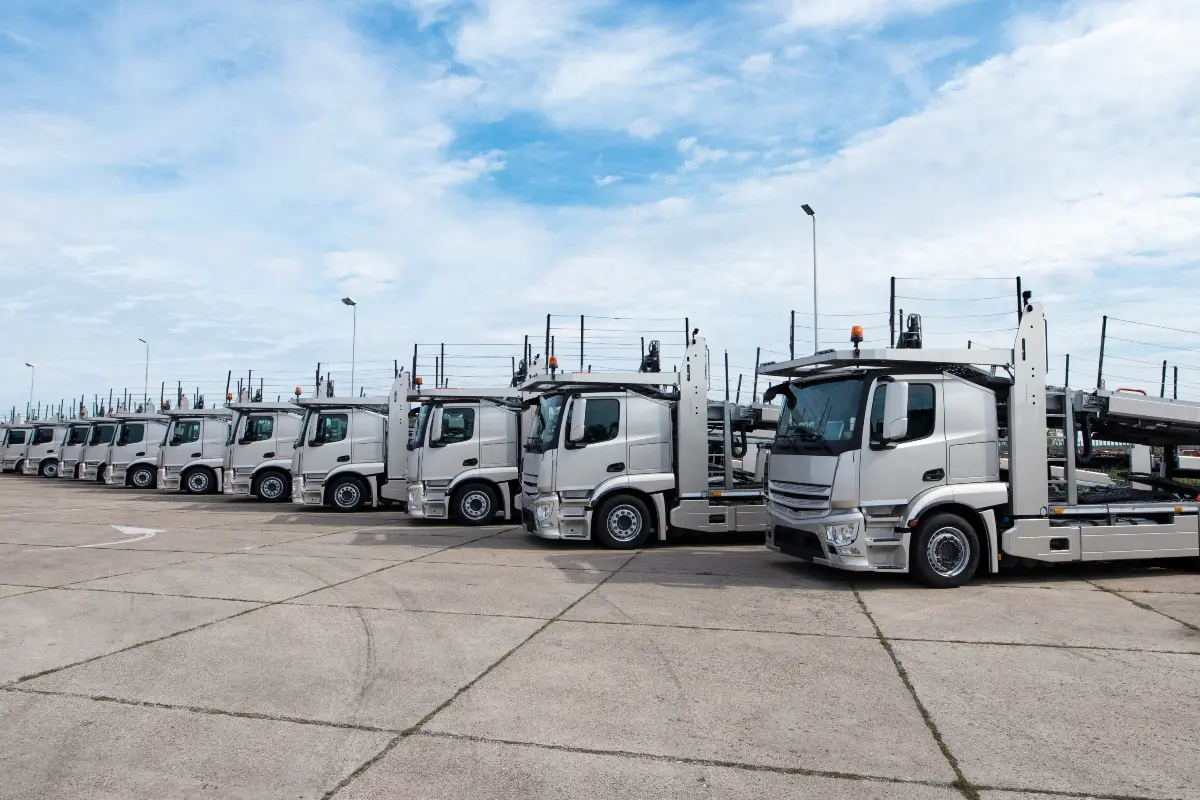
The assigned carrier transports
The carrier supplies the truck and driver, performs pickup and delivery, completes the Bill of Lading, and carries the shipment under its applicable cargo policy. Review that carrier’s policy information rather than relying on a universal insurance amount or a blanket “fully covered” statement.
Before pickup, confirm the carrier identity, payment stages, cancellation and repricing terms, the condition-report process, and who owns an escalation if timing or condition changes. A broker bond is not carrier cargo coverage, and unsupported promises of perfect-condition or exact-day delivery do not replace written terms.
What Customers Say About Dispatch Dudes
“They would pick it up and drop it off on time. On top of that, phone calls and texts were answered very fast.”
Mike Guido
5-star Google review
“Great communication during setup, regular updates throughout transport, and excellent coordination with the driver.”
Stephanie Napoli
5-star Google review
“The car was picked up and delivered by a very professional and careful driver. Very smooth from beginning to end.”
Eric Huntsman
5-star Google review
Answers Before You Book Interstate Transport
Get an Instant Route Quote
Share the locations, vehicle condition, transport preference, access constraints, and date window. The next useful step is a comparable route-specific quote—not a generic national average.
No deposit is due until a carrier is assigned and its credentials are sent.