
When your car won’t start, won’t shift into gear, or has been in an accident, the challenge extends beyond the mechanical issues. Getting that vehicle from one location to another becomes a specialized task that requires careful planning and the right transportation partner.
At Dispatch Dudes, we’ve seen every type of non-operational vehicle imaginable. From classic cars pulled from decades of storage to accident-damaged vehicles heading to repair shops, each non-running car transport situation presents unique challenges that standard auto transport simply cannot handle.
Understanding the Complexity of Non-Running Vehicle Transport
Non-running car transport isn’t just about finding a truck with more space. The entire process changes when a vehicle cannot move under its own power.
Standard car carriers rely on vehicles driving themselves onto the transport truck, but inoperable vehicles require specialized loading equipment and techniques.
The weight distribution changes significantly when a vehicle cannot be properly positioned on the carrier. Our drivers must account for these factors during loading, securing, and transport to ensure safe delivery.
Most transportation companies either refuse non-running vehicles entirely or lack the proper equipment to handle them safely. This leaves vehicle owners with limited options and often higher costs due to the specialized nature of the service.
Specialized Equipment Makes the Difference
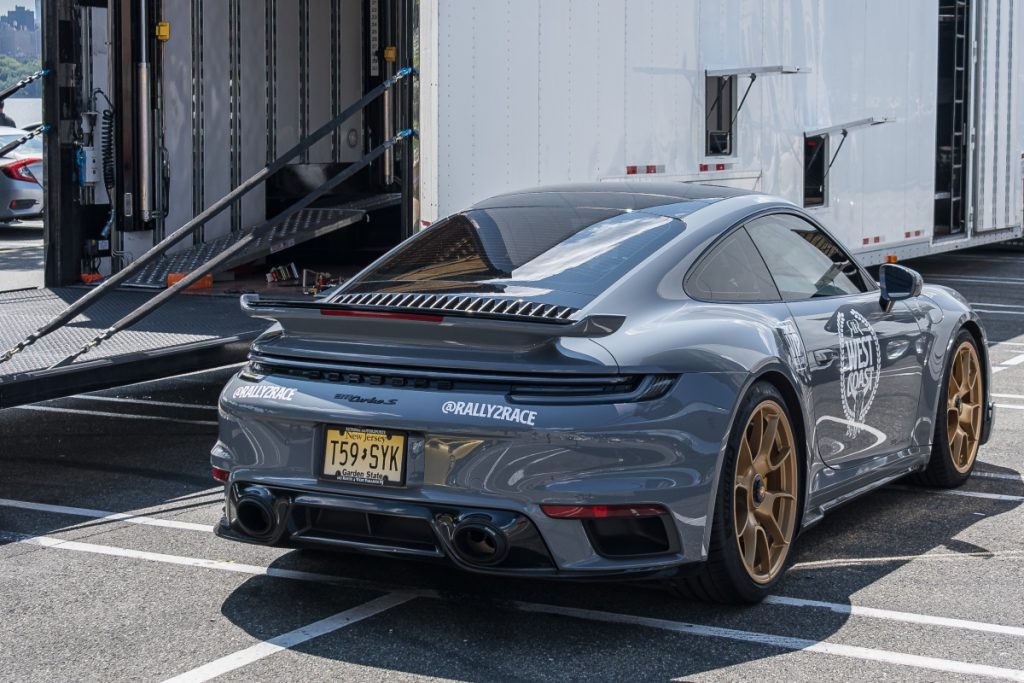
Our fleet includes advanced loading mechanisms specifically designed for inoperable vehicles. Hydraulic lift gates allow us to raise non-running cars to the appropriate carrier level without relying on the vehicle’s ability to drive up ramps.
Winches and specialized dollies become essential tools when learning how to transport non-running cars effectively. These systems allow our drivers to position vehicles precisely where they need to be on the carrier, regardless of the vehicle’s mechanical condition.
The winch systems we use can handle vehicles with locked wheels, seized transmissions, or complete engine failure. Our dollies work particularly well for vehicles with damaged suspension or wheels that won’t roll freely.
Every piece of equipment undergoes regular maintenance and inspection. We cannot afford equipment failure when handling valuable classic cars or time-sensitive accident vehicles.
Cost Considerations for Non-Running Vehicle Transport
Transportation costs for inoperable vehicles typically run higher than those of standard auto transport. The specialized equipment, additional time requirements, and enhanced safety protocols all contribute to increased pricing.
| Service Type | Standard Vehicle | Non-Running Vehicle | Difference |
| Loading Time | 15–30 minutes | 45–90 minutes | 2–3x longer |
| Equipment Required | Standard ramps | Winches, dollies, lift gates | Specialized tools |
| Driver Training | Basic certification | Advanced non-running protocols | Enhanced skills |
| Insurance Coverage | Standard policy | Enhanced coverage | Higher protection |
The additional costs reflect the reality of the service. Loading a non-running vehicle takes significantly longer, requires specialized equipment, and demands enhanced driver expertise.
However, these costs often pale in comparison to the potential damage that can occur when inexperienced carriers attempt to handle inoperable vehicles with inadequate equipment.
Essential Preparation Steps for Vehicle Owners
Proper car preparation can make the difference between smooth transport and costly delays. Vehicle owners play a crucial role in ensuring their non-running car transport runs smoothly.
Documentation becomes even more critical with inoperable vehicles. Insurance companies and transport providers need detailed information about the vehicle’s condition and the reasons it cannot operate normally.
Removing personal items takes on added importance since the vehicle cannot be easily accessed during transport. Items left in non-running vehicles are more likely to shift during loading and transport.
Battery condition matters even in non-running vehicles. A completely dead battery can prevent power windows from closing or cause electronic locks to malfunction.
Fuel levels should be kept at or below a quarter tank. This reduces weight and minimizes fire hazards, particularly important for accident-damaged vehicles.
Pre-Transport Preparation Checklist
- Document the vehicle’s exact condition with photos from multiple angles
- Remove all personal belongings, including items in glove compartments and trunks
- Disable any aftermarket alarms that might activate during transport
- Ensure the parking brake works, or provide wheel chocks if it doesn’t
- Check tire condition and inflation – flat or damaged tires complicate loading
- Provide keys and any special instructions for accessing or moving the vehicle
- Remove or secure loose parts that might fall off during transport
- Note any fluids leaking from the vehicle that could affect other cars on the carrier
Common Mistakes That Lead to Transport Delays
Many vehicle owners underestimate the complexity involved in transporting non-running cars properly. These oversights often result in delays, quote changes, or even refusal of transport at pickup.
Failing to accurately describe the vehicle’s condition ranks as the most common mistake. Owners might mention the car “doesn’t run” without specifying whether it has locked brakes, a seized transmission, or damaged suspension components.
Inadequate access planning causes significant delays. Non-running vehicles require more maneuvering space for loading equipment. Tight driveways, low-hanging branches, or narrow streets can prevent our specialized equipment from reaching the vehicle.
Missing or incorrect paperwork becomes more problematic with inoperable vehicles. Insurance requirements often differ for non-running car transport, and some states have specific documentation requirements for inoperable vehicles crossing their borders.
The following table outlines common car shipping mistakes that happen during preparation, as well as their consequences:
| Common Mistake | Consequence | Prevention Method |
| Inaccurate condition description | Wrong equipment brought to pickup | Provide detailed vehicle assessment |
| Poor access planning | Delayed pickup or additional fees | Measure access routes and clearances |
| Leaving personal items | Items damaged or lost during transport | Complete vehicle cleaning before pickup |
| Incorrect paperwork | Legal delays or transport refusal | Verify documentation requirements early |
Documentation Requirements for Inoperable Vehicles
Non-running car transport requires more documentation than standard vehicle shipping. Insurance companies need detailed condition reports to process claims if damage occurs during transport.
Bill of lading documentation must include specific notations regarding the vehicle’s inoperability. This protects both the vehicle owner and the transport company by clearly establishing the vehicle’s condition before transport begins.
Some states require special permits or notifications when transporting inoperable vehicles across their borders. Our team handles these requirements, but advance notice helps prevent delays.
Classic car restorations often involve additional documentation challenges. Vehicles disassembled for restoration may require special handling protocols and enhanced insurance coverage.
Specialized Scenarios We Handle
Classic car restorations present unique challenges in non-running vehicle transport. These vehicles often have irreplaceable parts, custom modifications, or extreme sentimental value that demand exceptional care.
Our protocols for classic cars include enhanced security measures, climate-controlled transport options, and specialized loading procedures to protect vulnerable restoration work.
Accident-damaged vehicles require different handling approaches. Structural damage can make vehicles unstable during transport, requiring additional securing points and careful weight distribution.
Project cars and barn finds often combine multiple challenges. They may have been sitting for years, developing flat spots on tires, seized brakes, or deteriorated suspension components that affect how they must be loaded and secured.
Mechanically failed automobiles heading to repair shops need timely transport to minimize downtime. Our coordination with repair facilities helps streamline the process and reduce delays.
Safety Protocols for Immobilized Vehicles
Weight distribution becomes critical when transporting vehicles that cannot position themselves properly on the carrier. Our drivers receive extensive training on calculating and adjusting load distribution for non-running vehicles.
Proper securing techniques go beyond standard tie-down procedures. Inoperable vehicles may require additional securing points, especially if they have damaged suspension or steering components that allow excessive movement.
Our safety protocols account for vehicles with compromised structural integrity. Accident-damaged cars may need special support during transport to prevent further damage from road vibrations and carrier movement.
Regular safety inspections throughout the transport process ensure that securing remains effective even as road conditions and weather change during long-distance transport.
Working with Repair Shops and Collectors
Auction houses and private collectors frequently require reliable transportation for inoperable vehicles. Our experience with these specialized markets helps streamline the transport process and meet strict delivery requirements.
Coordination with repair shops involves timing considerations that standard transport doesn’t face. Shops need advance notice when non-running vehicles arrive so they can have the appropriate equipment ready for unloading.
We maintain relationships with facilities across the country that specialize in handling classic cars, exotic vehicles, and major collision repairs. This network helps us provide seamless service even in remote locations.
Insurance Considerations for Non-Running Vehicles
Enhanced insurance coverage becomes essential when transporting inoperable vehicles. The specialized equipment and handling procedures require comprehensive protection for both the vehicle and our operations.
Our fully insured service provides peace of mind for customers dealing with valuable restorations or vehicles with significant sentimental attachment. The car transport insurance covers not just the vehicle’s value but also the specialized transport requirements.
Claims processing for non-running vehicle transport requires detailed documentation of the vehicle’s condition before and after transport. Our comprehensive photo documentation supports smooth claims resolution when needed.
Time Sensitivity and Emotional Attachments
We understand that non-running vehicle owners often face time-sensitive situations. Whether it’s getting an accident-damaged car to a repair shop quickly or moving a classic restoration project to meet a deadline, timing matters.
Emotional attachments to vehicles run deep, especially with classic cars or family heirlooms that cannot drive themselves to their new location. Our personalized consultation services address specific concerns and provide reassurance throughout the transport process.
Communication becomes even more important with non-running car transport. We provide regular updates and remain available to address concerns that arise during what can be a stressful situation for vehicle owners.
Making Informed Transport Decisions
Choosing the right transport partner for non-running car transport requires evaluating more than just price. The specialized equipment, driver training, and safety protocols make some carriers significantly more capable than others.
Experience with your specific type of vehicle matters. A company that regularly handles classic car restorations brings different expertise than one focused on accident-damaged vehicles, even though both fall under non-running transport.
Comprehensive protocols for handling inoperable vehicles should be clearly documented and readily available. Companies that cannot explain their procedures in detail may lack the experience necessary for safe transport.
Ready to Ship Your Non-Running Vehicle?
At Dispatch Dudes, we’ve built our reputation on successfully transporting vehicles that others won’t touch. Our specialized equipment, experienced drivers, and comprehensive safety protocols ensure your inoperable vehicle reaches its destination safely.
Don’t let your non-running vehicle become a bigger problem than it already is. Whether you’re dealing with a classic restoration, accident damage, or mechanical failure, we have the expertise and equipment to handle your car transport professionally.
Contact our team for a personalized consultation about your non-running vehicle transport requirements.
Pricing for non-running car transport varies based on vehicle condition, distance, and specific equipment requirements.