 Skip to content

Shipping a car that won’t start, won’t roll, or has been wrecked is a different job than moving a running vehicle. You need a carrier with the right winch equipment, the right insurance, and the willingness to take the booking. Here are the six best non running vehicle transport services right now, plus a quick checklist to help you choose.
1. Dispatch Dudes , Our Top Pick for Inoperable Vehicle Shipping
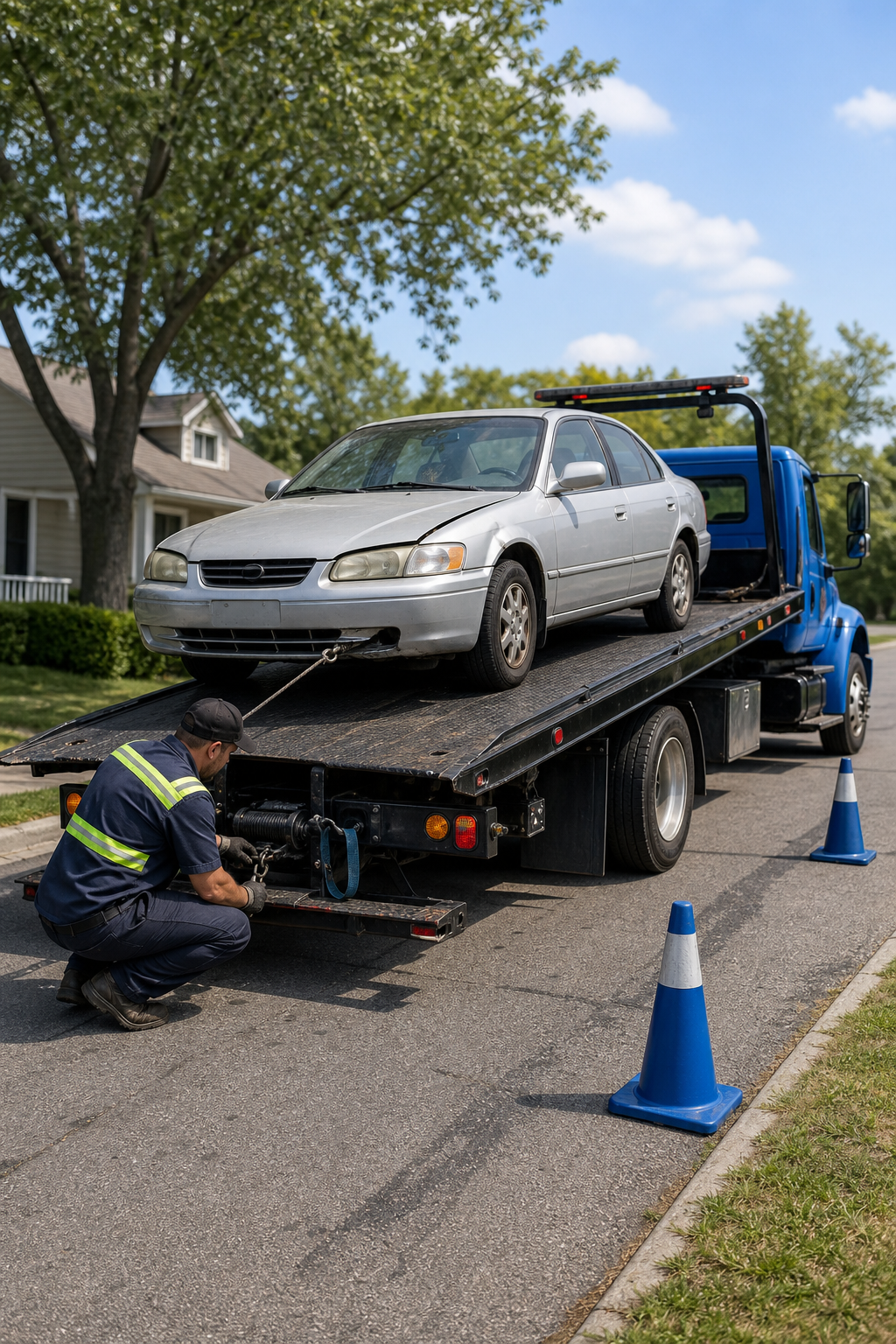
We put Dispatch Dudes first because we built this service for situations like yours. We’re BBB accredited, a Forbes Business Council member, and a Newsweek Readers Choice pick , and we handle inoperable vehicles every day across all 48 contiguous states.
What makes us different is the equipment question. Most standard brokers simply skip your booking if a car won’t roll. We pre-screen every carrier in our network to confirm they have winches, dollies, or lift gates before we match them to your shipment. If your car has four flat tires, a dead engine, or collision damage, we can still find you a carrier , often within 24 to 48 hours.
We offer both open and enclosed transport for inoperable cars. Open is the most cost-effective route for most customers. Enclosed is the right call for a project car, a classic, or anything you don’t want exposed to road debris during the haul. Door-to-door pickup is standard, so you don’t have to arrange a tow to a terminal.
Pricing for inoperable vehicles runs higher than for running cars because loading takes two to three times longer and requires specialized gear. On a typical mid-distance route (say, Florida to the Midwest), you can expect to pay roughly $200 to $400 more than the standard open-transport rate for the same distance. Every shipment is unique, so get an instant quote on our site to see your exact number.
The one honest caveat: if your car is in truly extreme condition (crushed roof, missing wheels, severe frame damage), we’ll tell you upfront what extra prep or equipment is needed. We’d rather set accurate expectations than surprise you at pickup.
2. Montway Auto Transport , Large Carrier Network for Inoperable Cars
Montway is one of the biggest auto transport brokers in the US, with a carrier network of over 15,000 licensed carriers. That scale matters when you have a non-running vehicle, because finding a carrier with the right loading equipment on a specific route gets harder in rural areas. With Montway’s volume, matches tend to happen faster than with smaller brokers.
They accept inoperable vehicles but require you to disclose the condition at the time of quoting. The surcharge varies by vehicle size and the specific equipment the carrier needs. Expect the inoperable fee to add $150 to $300 on top of the base rate, though this varies by route and season.
Montway’s online quote tool is straightforward and asks upfront whether the vehicle runs. That disclosure step is important: if you book a running-car rate and the carrier shows up to find the car won’t move, you’ll face a re-quote at pickup, which is frustrating and sometimes more expensive.
One limitation worth knowing: Montway is a broker, not a carrier. They match you with a third-party driver, so the specific equipment on the truck depends on which carrier accepts your load. If you’re in a low-density area, the pool of carriers with winch setups is smaller, which can stretch your pickup window.
3. Sherpa Auto Transport , Price-Lock Guarantee for Non-Running Cars
Sherpa’s main selling point is their Price Lock Promise: the quote you get is the price you pay. That’s not common in this industry. Many brokers quote low to win the booking, then carriers push for more at pickup. Sherpa absorbs that friction with a written guarantee, which matters a lot when you’re already dealing with the stress of an inoperable car.
They accept non-running vehicles and list the condition upfront in their quote form. Sherpa also includes a complimentary car wash on delivery, which is a small touch that signals attention to the customer experience.
Transit times are comparable to other brokers , typically 1 to 7 days depending on the route. Their carrier network is smaller than Montway’s, so in low-traffic corridors you may wait a day or two longer for carrier assignment. But the price certainty is a real advantage if budget predictability matters to you. For many people shipping a non-running car (often an insurance claim situation or an estate vehicle), knowing the final number before signing is genuinely valuable.
If you’re comparing services for a vehicle that won’t start, our guide to how to transport non-running cars and the key preparation steps covers exactly what you’ll need to do before the carrier arrives , documentation, fuel level, battery condition, and more.
4. uShip , Freight Marketplace for Hard-to-Move Inoperable Vehicles
uShip works differently from every other option on this list. Instead of matching you with a carrier from a managed network, it puts your shipment on an open marketplace where independent carriers bid on your load. That model can generate competitive rates, especially for unusual vehicles or routes that standard brokers struggle to fill.
For non-running vehicles, the marketplace format can actually be an advantage. A carrier who specializes in salvage, project cars, or classic restoration hauls will see your listing and bid if they have the right equipment. You’re not limited to the carriers already signed up with a single broker’s network.
The tradeoff is variability. Carrier quality on uShip ranges from highly experienced operators to solo owner-operators with limited inoperable-vehicle experience. According to Wikipedia’s entry on uShip, the platform operates as a freight marketplace connecting shippers with carriers , so vetting falls on you. Check feedback scores, ask about their winch or dolly setup, and confirm their cargo insurance covers your vehicle’s value before accepting any bid.
uShip works best for patient shippers who want to shop the market and don’t have a hard deadline. If you need a pickup guaranteed within a specific window, a managed broker tends to be more reliable.
5. SGT Auto Transport , Budget-Friendly Option for Inoperable Autos
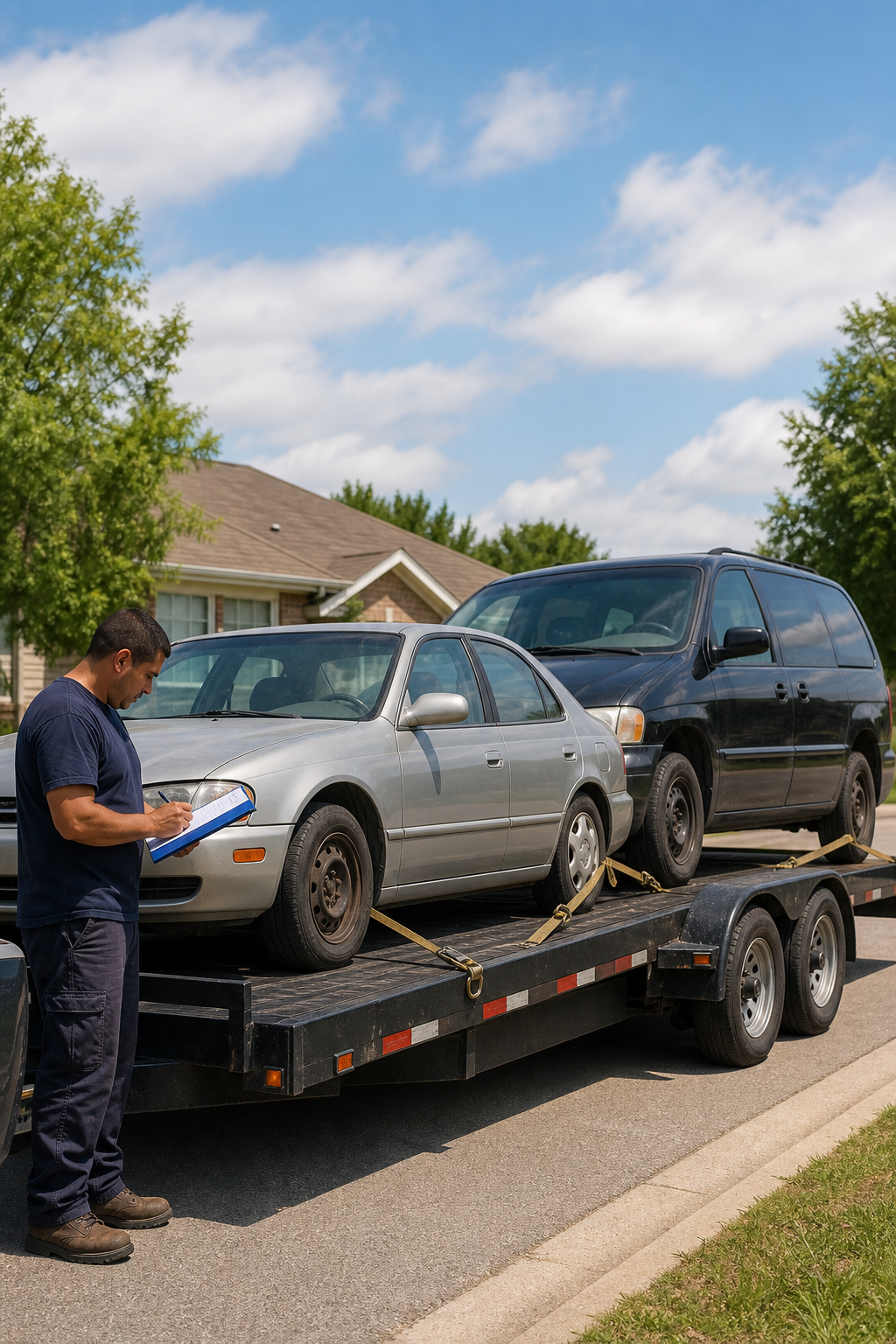
SGT Auto Transport positions itself as one of the lower-cost options in the brokered transport space. They accept inoperable vehicles and display the condition question prominently in their quote flow, which keeps the pricing transparent from the start.
Their rates for inoperable cars are generally competitive, particularly on high-volume lanes like the East Coast corridor or Florida to the Midwest. If cost is the primary factor and your timeline is flexible, SGT is worth getting a quote from alongside the others on this list.
For buyers who are also researching vehicle specs before arranging transport, Carshug’s car specification and pricing database can be a useful reference to confirm vehicle details you’ll need on the bill of lading.
The limitation with SGT is customer service responsiveness. Some customers report longer response times when issues come up mid-transport. If you have a straightforward inoperable car on a well-traveled route and don’t anticipate complications, SGT can deliver good value. For more complex situations (rare vehicle, tight deadline, rural pickup), a company with more hands-on dispatch support is worth the extra cost.
6. Ship a Car Direct , Damage-Free Focus for Inoperable Classics and Project Cars
Ship a Car Direct built its reputation around one specific promise: no damage. They use a network of vetted carriers and require photo documentation at both pickup and delivery. That process is especially well-suited to inoperable classics and project cars, where pre-existing condition matters enormously for insurance and restoration records.
They accept non-running vehicles and their condition report process is more thorough than most brokers. The driver photographs the car at pickup, notes every visible dent and scratch on the bill of lading, and you receive a copy. At delivery, the same process repeats. That paper trail protects you if a damage dispute ever comes up.
Rates are in the mid-to-upper range for the brokered transport market. You’re paying a premium for the vetting process and the damage-free focus. For a daily driver that won’t start, that premium may not be worth it. For a 1969 Camaro that’s been in storage for 20 years, it probably is.
Transit times are typical for the industry. Ship a Car Direct also has a strong track record with enclosed transport, which pairs well with their documentation process for high-value inoperable vehicles.
How to Choose a Non Running Vehicle Transport Service
The right pick depends on a few usable factors, not just price. Here’s what to weigh before you book.
On insurance: the Federal Motor Carrier Safety Administration (FMCSA) requires licensed carriers to carry minimum cargo insurance, but that minimum may not cover the full value of your vehicle. Always ask for the certificate of insurance and check that the coverage limit exceeds what your car is worth.
On pricing: inoperable vehicles cost more to ship than running cars. The extra cost covers specialized loading equipment, additional driver time, and the enhanced safety measures needed when a car can’t be driven onto the trailer. Plan for a surcharge of $150 to $400 on top of the standard rate, depending on the vehicle’s condition and your route.
Frequently Asked Questions About Non Running Vehicle Transport
How much more does it cost to ship a non-running car?
Inoperable vehicle transport typically costs $150 to $400 more than the equivalent running-car rate on the same route. The extra cost reflects longer loading time (45 to 90 minutes versus 15 to 30 for a running vehicle), specialized equipment like winches and dollies, and the additional care required during securing. The exact surcharge depends on your vehicle’s condition, size, and the specific route.
Will any transport company ship a car that won’t roll?
Not all of them. Many standard carriers only accept vehicles that can roll, steer, and brake. You need to specifically request a carrier with winch or dolly capability. Services like Dispatch Dudes pre-screen carriers for inoperable-vehicle equipment before making a match, which saves you the back-and-forth of finding out a carrier can’t load your car at pickup.
Do I need to do anything to my car before the carrier arrives?
Yes. Keep the fuel level at or below a quarter tank to reduce weight and minimize hazard risk. Make sure tires aren’t completely flat if possible, since extremely low tires complicate winch loading. Disable aftermarket alarms, remove personal belongings, and take dated photos from all four angles. Provide the driver with any special instructions for accessing or moving the vehicle during load.
Is open or enclosed transport better for an inoperable car?
Open transport is the standard choice and costs 30 to 50 percent less than enclosed. It works well for most inoperable vehicles, including accident-damaged cars and non-starters. Enclosed transport makes sense if the car is a valuable classic, a low-production model, or a project car where paint and body condition matter significantly. Both transport types can accommodate non-running vehicles with the right carrier equipment.
How long does inoperable car shipping take?
Transit times are similar to standard auto transport: roughly 1 to 3 days for short hauls under 500 miles, and 5 to 9 days for cross-country routes. The main difference is pickup scheduling , finding a carrier with the right equipment for an inoperable vehicle can add 1 to 2 days to the initial assignment window, especially in rural or low-density areas.
What documents do I need for non-running vehicle transport?
You’ll need the vehicle title or registration, a valid photo ID, and proof of insurance. The carrier will complete a bill of lading at pickup that documents the vehicle’s condition in detail , this is more important for inoperable vehicles than for running cars, since the condition is harder to verify quickly at delivery. Ask that every visible defect be noted on the bill of lading before the driver leaves.
Conclusion
For most people shipping an inoperable car, Dispatch Dudes is the straightforward choice: we confirm carrier equipment before the booking is final, offer door-to-door pickup, and handle everything from flat-tire sedans to wrecked trucks. Get an instant quote on the Dispatch Dudes website and tell us exactly what condition your vehicle is in , we’ll match you with the right carrier and give you a real number, not a bait-and-switch estimate.