 Skip to content

Shipping a classic car is nothing like moving a daily driver. The wrong carrier, the wrong trailer, or one careless strap can erase decades of restoration work in a single haul. Here are the seven best options for transporting a classic car safely across the US, plus a straight-talk checklist so you know exactly what to ask before you book.
1. Dispatch Dudes , Our Top Pick for Classic Car Shipping
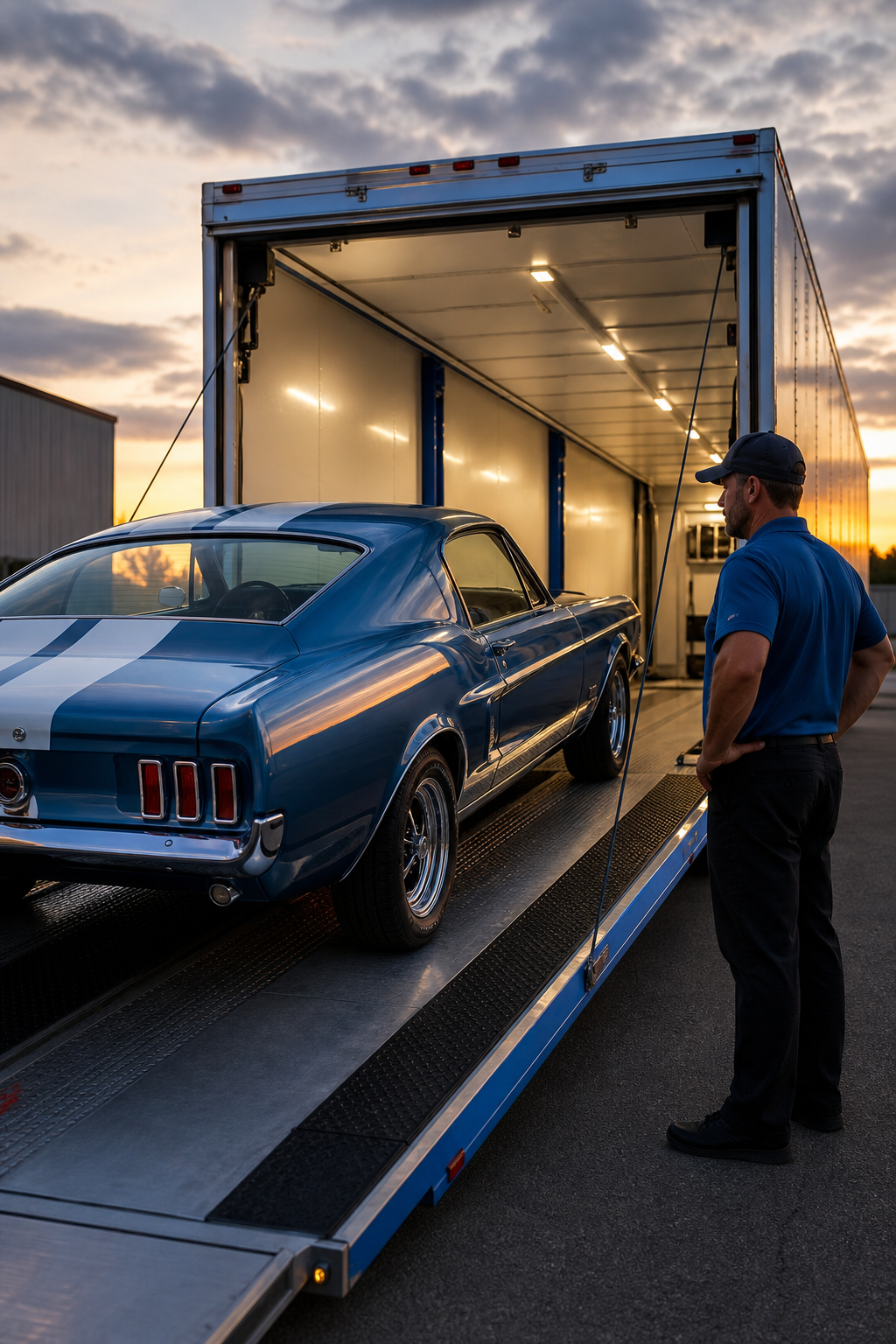
We built Dispatch Dudes around one idea: shipping your vehicle should be the easiest part of owning it. That matters especially when the vehicle in question is a ’69 Camaro or a numbers-matching Mustang worth more than most people’s mortgages.
Dispatch Dudes is a nationwide vehicle transport company headquartered in Boynton Beach, FL. We connect owners with fully insured, vetted carriers for both open and enclosed transport, with door-to-door pickup and delivery across all 50 states. Every shipment gets a dedicated advisor, instant online quotes, and real-time tracking so you’re never left wondering where your car is.
For classic car owners specifically, we match vehicles to carriers who have documented experience moving vintage and collector vehicles. That means soft-loop straps instead of chain tie-downs, hydraulic lift gates for low-clearance cars, and drivers who understand that a scratch on a ’57 Bel Air is not a warranty claim , it’s a restoration bill.
We’re accredited by the BBB, recognized by Forbes Business Council, and named a Newsweek Readers’ Choice company. Those aren’t just badges. They reflect the standard we hold every carrier in our network to before a single vehicle goes on a truck.
Pricing varies by route, trailer type, and timing. Get your instant quote at Dispatch Dudes and we’ll show you real carrier availability for your pickup ZIP before you commit to anything.
The one caveat worth naming: if you need single-car enclosed service for an ultra-rare show car on a short turnaround, lead time can vary depending on carrier availability in your area. Book at least two weeks out for the best options.
2. Enclosed Auto Transport , Maximum Protection for Rare Classics
Enclosed transport puts your vehicle inside a hard-sided, fully covered trailer. No weather. No road debris. No curious eyes at truck stops. For a classic car with original paint, chrome trim, or a fresh restoration, it’s the only realistic choice.
The trailers use hydraulic lift gates and soft straps designed for low-clearance vehicles and delicate body panels. Some carriers also offer air-ride suspension, which reduces vibration during long hauls. If your car has a custom body kit or sits low enough that a standard ramp would scrape it, enclosed transport solves that problem before it starts.
Cost runs roughly 40, 60% higher than open transport on the same route. For a coast-to-coast move, expect somewhere in the $1,500, $3,500 range depending on vehicle size and timing. That premium covers the specialized equipment, the reduced truck capacity (fewer vehicles per load), and the higher insurance limits carriers carry on enclosed loads.
One thing worth understanding: not all enclosed carriers are identical. Multi-car enclosed trailers carry two to six vehicles and cost less per slot. Single-car enclosed trailers carry only your vehicle , common for irreplaceable show cars or fresh auction wins , and run 30, 50% above the multi-car rate. Ask which type you’re booking.
The cargo insurance on enclosed shipments is typically higher than on open loads, but always confirm the declared-value limit matches your car’s appraised value. Basic carrier coverage may not cover a vehicle worth $150,000 or more. According to the Federal Motor Carrier Safety Administration (FMCSA), all licensed carriers must carry minimum cargo insurance, but that federal minimum is often well below the value of a collector vehicle.
Enclosed transport is non-negotiable for anything restored, numbers-matching, or heading to a concours or auction event. For a driver-condition classic you plan to work on anyway, open transport may still be defensible , but for everything else, enclosed is the answer.
3. Open Car Transport , Budget-Friendly Option for Sturdier Classics
Open transport loads your vehicle onto a multi-level, uncovered trailer alongside other cars. It’s the most common method in auto transport because it’s efficient and costs less. For a classic car that’s already in project condition, or one you’re moving a short distance before a restoration, open transport can make sense.
The trade-off is real: your car is exposed to weather, road grime, UV rays, and the occasional stone kicked up by a truck ahead. It will arrive dirty. If the paint is already imperfect, that’s an acceptable outcome. If the paint is a $12,000 custom respray, it’s not.
Open transport typically costs $600, $1,200 for most domestic routes, making it roughly half the price of enclosed. Availability is also better , open carriers are far more common in the network, so pickup windows tend to be shorter.
The key question is honest condition assessment. A ’72 Chevelle that you bought as a project and plan to strip to bare metal doesn’t need the enclosed premium. A ’65 Mustang fastback with an authenticated original paint code does. Be straight with yourself about which category your car falls into.
One scenario where open works even for nicer cars: short regional moves in dry, mild weather where the route is mostly highway. The risk profile is different from a cross-country haul through mountain passes in November.
If you’re unsure, the rule of thumb from the research is clear: the more irreplaceable the finish, the more the enclosed premium pays for itself. You can always wash a dirty car. You can’t always repair original chrome.
4. Door-to-Door Classic Car Shipping , Most Convenient Pickup and Delivery
Door-to-door shipping means the carrier comes to your address for pickup and delivers as close as legally and safely possible to the destination address. No driving your classic to a terminal. No leaving it in a storage yard with other vehicles.
For a classic car, minimizing handling is the goal. Every additional move , loading at a terminal, unloading to storage, reloading onto a different truck , adds opportunity for damage. Door-to-door cuts those extra steps out of the equation.
The carrier coordinates directly with you for a pickup window, typically 1, 3 days from booking on well-traveled routes. You’re present for a walkaround inspection before the car goes on the trailer. Both sides sign a Bill of Lading documenting existing condition. Same process at delivery. That documentation matters if anything is disputed later.
One usable note: large enclosed trailers can’t always reach narrow residential streets, gated communities with low clearance, or addresses with tight turns. When that happens, the carrier arranges a nearby meeting point , a parking lot or a wide street a block or two away. This is common and not a problem; it’s just worth knowing so you’re not surprised.
The alternative is terminal-to-terminal transport, where you drop the car at a central hub and pick it up from another hub near the destination. It can be cheaper on some routes, but it adds handling and means your car sits in a shared storage facility between legs. For a classic car, that’s a trade-off most owners would rather skip.
Door-to-door is the standard service at Dispatch Dudes. Our carriers provide direct service to and from any residential or business address, with no terminal stops in between.
5. Expedited Classic Car Transport , Fastest Delivery When Time Matters
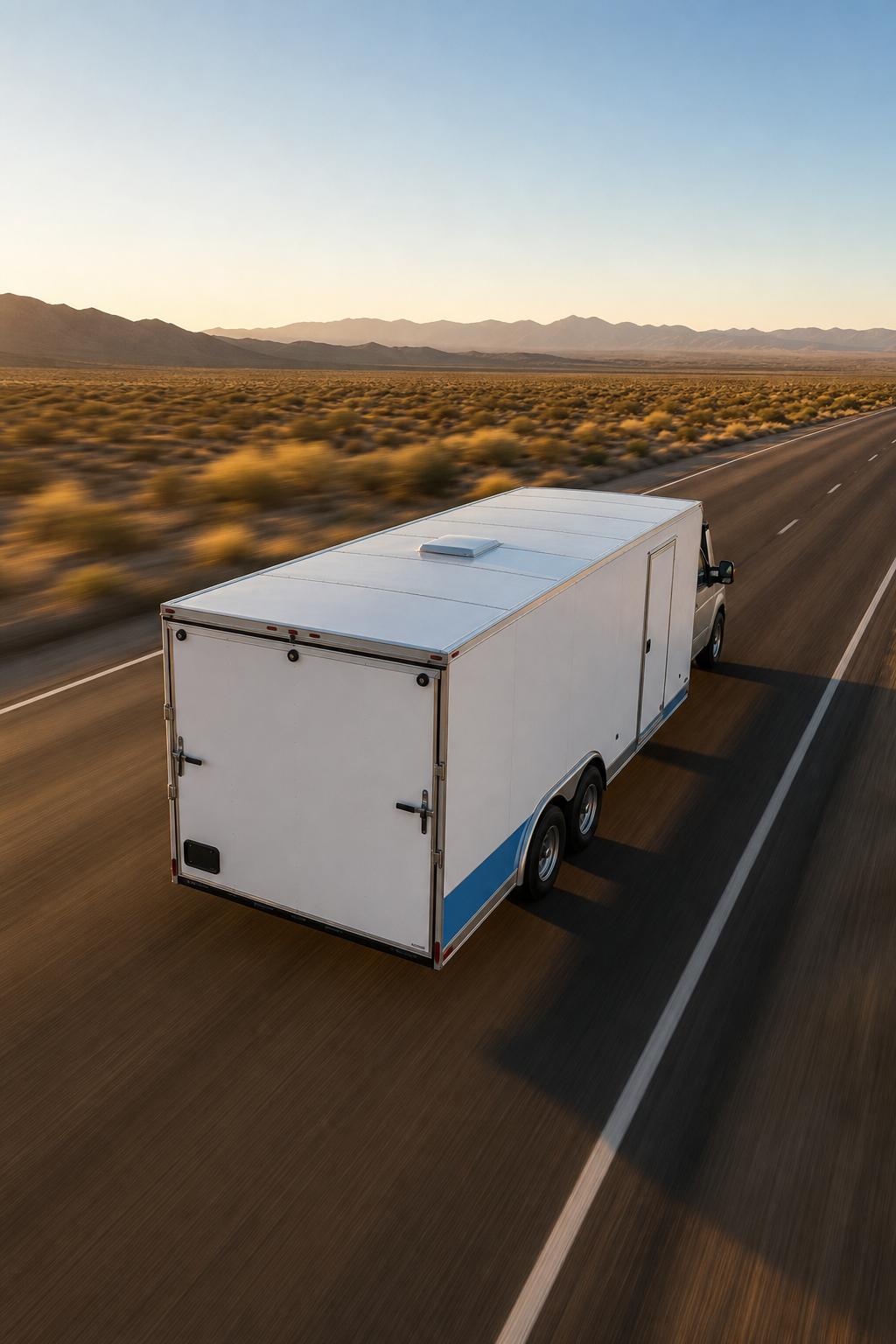
Standard auto transport works on flexible schedules designed to fill trailers efficiently. That’s fine when you have two weeks. It’s not fine when you bought a car at Barrett-Jackson on Saturday and need it at your restoration shop by Wednesday.
Expedited transport prioritizes your shipment with guaranteed pickup and delivery windows instead of estimated ones. The carrier commits to your dates, which means rearranging their existing schedule and sometimes running a trailer that isn’t full. That operational cost is what drives the price premium.
According to research from the auto transport industry, expedited service typically runs 32, 65% above standard rates on the same route. On a coast-to-coast move where standard might land around $1,245, expedited can reach $1,645, $2,045. Additional guaranteed-pickup surcharges of $200, $400 are also common. Factor those in when you’re comparing quotes.
The scenarios where expedited makes sense are specific. You just won an auction lot and the auction house has a short vehicle release window. You have a car show or concours event with a hard arrival deadline. You relocated for work unexpectedly and your classic needs to follow quickly. Outside those situations, standard scheduling with a two-week lead time will save you real money.
For classic cars specifically, expedited is almost always combined with enclosed transport , you’re already paying the premium, and a time-sensitive delivery is not the moment to take paint risks on an open trailer.
Dispatch Dudes offers expedited classic car transport for situations where timing is fixed. Ask your advisor about current carrier availability for your route and what the realistic pickup window looks like before committing to an expedited rate.
6. Seasonal and Snowbird Classic Car Shipping , Florida Routes and Beyond
Snowbird season runs roughly mid-October through Thanksgiving heading south, with the northbound return migration wrapping up around May. That timing creates a predictable surge in demand on key routes: New England and New York to Florida via I-95, Chicago to Texas or Florida, and the Pacific Northwest down through California to Arizona.
For classic car owners who winter in Florida or Arizona, shipping the car instead of driving it makes a lot of sense. The drive adds miles, wear, and real road risk to a vehicle you’ve invested serious money in. Flying and shipping the car separately is safer for the car and often more usable for the owner.
Booking early matters more for snowbird routes than for most other shipments. Peak-season demand on Florida corridors pushes prices up and shrinks carrier availability. Industry guidance from snowbird transport specialists recommends booking at least 30 days in advance for peak-season moves, and earlier is better. Round-trip bookings often come with rate advantages since the carrier knows they have a return load.
Flexibility helps with pricing too. A pickup window of five to seven days gives dispatchers more options for carrier matching, which typically means a better rate than demanding a specific date. If your address is off a major highway, consider meeting the carrier at a more accessible point , long detours on rural roads cost the carrier time and that cost usually flows back to you.
Once your classic arrives at its seasonal destination, prep matters. Temperature swings between northern and southern climates affect tire pressure. A car that sat for a week in transport needs a walk-around before you drive it. Check fluids, check the battery, and inspect the body against your pre-shipping photos before the driver leaves.
If you’re planning a car show or outdoor display event once your classic arrives, a well-branded shelter makes the presentation. Mountain Shade’s custom printed marquees and gazebos are worth considering for anyone showcasing a collector car at an event , they’re built for outdoor durability and can be printed with your branding or club livery.
7. Classic Car Auction and Dealer Transport , Shipping Purchased Vehicles Nationwide
Winning a car at Mecum, Barrett-Jackson, or an online auction is the exciting part. Getting it home is where things get complicated. Auction venues have short vehicle release windows, the car may not be running, and you may be seeing it in person for the first time when it comes off the truck.
The preparation steps are different for an auction purchase. Hagerty’s shipping guidance for collector car owners recommends washing the car and photographing every panel, wheel, and the interior before transport begins , so you have a documented baseline to compare against at delivery. For a car you’re buying sight-unseen, ask the auction house or seller to handle that walkaround on your behalf and send you the photos before the truck loads.
Non-running vehicles are common in the auction market. Barn finds, project cars, and vehicles pulled from long-term storage often can’t be driven onto a trailer under their own power. Make sure your carrier is winch-equipped and has experience loading cars that don’t move. Standard ramps won’t work, and attempting to push a 4,000-pound vehicle up an incline is how damage happens.
Dealer-to-dealer transport follows the same basic principles. When a dealer purchases inventory from another state or needs to move a consignment vehicle, enclosed transport with full documentation is the professional standard. Title paperwork, registration, and insurance documents should all be ready before the carrier arrives.
For dealers or collectors who need coordinated transport across multiple auction events in a season, working with a single trusted transport company simplifies logistics considerably. Dispatch Dudes handles auction pickups and dealer transport nationwide, with carriers experienced in the specific handling requirements of collector vehicles.
One extra step worth taking: verify the carrier’s DOT and MC numbers through the FMCSA’s SAFER database before any high-value vehicle goes on a truck. It takes two minutes and confirms the carrier has active operating authority and current insurance.
What to Look for When You Ship a Classic Car
Before you book any carrier for a classic car transport, run through this short checklist. The difference between a smooth delivery and a bad claim often comes down to what you confirmed in advance.
One more thing: take dated photos of every panel, the interior, and the undercarriage before the carrier arrives. It takes 15 minutes and creates the documentation trail you’ll want if anything is disputed after delivery. A clean, freshly washed car makes those photos accurate , wax should be fully cured before transport so it doesn’t capture strap marks.
Frequently Asked Questions About Shipping a Classic Car
How much does it cost to ship a classic car?
Enclosed transport for a classic car typically runs $1,000, $3,500 depending on distance, vehicle size, and route. Open transport costs roughly half that on the same route. Expedited service adds another 32, 65% above standard enclosed rates. Single-car enclosed trailers run 30, 50% above multi-car enclosed rates. Get a quote with your specific ZIP codes and vehicle details for an accurate number.
Is enclosed or open transport better for a vintage vehicle?
Enclosed is almost always better for a vintage or restored vehicle. It protects original paint, chrome, and custom finishes from weather, road debris, and UV exposure. Open transport can work for a project car in driver condition, but for anything with irreplaceable bodywork or a fresh restoration, enclosed is the right call. The cost premium is real but usually small compared to the repair or restoration cost it prevents.
How long does it take to ship a classic car across the country?
Standard coast-to-coast transport takes 7, 14 days from pickup to delivery. Regional moves under 1,000 miles often land in 3, 7 days. Expedited service can reduce those windows significantly, but expect to pay a meaningful premium. Timing also depends on pickup location , rural areas with limited carrier traffic may add a day or two to the initial pickup window.
Can I ship a non-running classic car?
Yes. Non-running vehicles require a winch-equipped carrier rather than standard drive-on loading. Many classic and barn-find cars fall into this category. Make sure you flag this when booking so the carrier assigned to your shipment has the right equipment. Winch loading typically adds a small fee but is far safer than attempting to push or tow the vehicle onto a trailer without it.
How do I prepare my classic car for transport?
Wash the car first, then photograph every panel, wheel, interior, and the engine bay. Remove or secure loose accessories like antennas, hood ornaments, and fender skirts. Set tire pressure correctly, check for fluid leaks, and keep the fuel tank at about a quarter full. Disable any aftermarket alarms. Have your title, registration, insurance, and a recent appraisal ready before pickup day.
Do I need extra insurance when shipping a classic car?
Standard carrier cargo insurance may not cover a classic car’s full appraised value. FMCSA requires minimum cargo coverage for licensed carriers, but those minimums can fall well below what a collector vehicle is worth. Ask for the carrier’s declared-value coverage limit and compare it to your car’s appraisal. If there’s a gap, arrange supplemental coverage through your own collector car insurance policy before transport begins.
Conclusion
For most classic car owners, the right answer is enclosed transport with door-to-door delivery booked through a carrier network that has documented experience with vintage vehicles. Dispatch Dudes covers all of that , vetted carriers, dedicated advisors, and instant quotes without the guesswork. Get your quote at Dispatch Dudes and know what it costs before you commit to anything.