Shipping your car south for the winter beats a 1,500-mile drive every time. But with dozens of carriers competing for your booking during peak snowbird season, picking the right one matters more than most people realize. Here are six solid options for seasonal vehicle shipping, starting with our top pick.
1. Dispatch Dudes (Our Top Pick) , Reliable door-to-door shipping for snowbirds
Dispatch Dudes is a Boynton Beach, FL-based auto transport broker that ships cars, motorcycles, and boats nationwide using fully insured carriers. We built our service specifically around the snowbird market, and it shows in how we handle the details other brokers skip.
What sets us apart is the combination of door-to-door pickup, open and enclosed carrier options, expedited scheduling, and the ability to move non‑running vehicles for an additional fee. A relatively small percentage of carriers accept non‑running cars, so that last point matters if your vehicle has been sitting idle all season.
On typical snowbird routes, our pricing is competitive and varies based on route and timing, generally staying below many other providers. Our carriers are fully insured, and we’re accredited by the BBB and recognized by Forbes Business Council and Newsweek Readers Choice.
We work the peak season calendar hard. If you’re planning a Florida snowbird season car shipment and want to avoid the October‑November carrier crunch, booking four to six weeks out locks in better pricing and pickup windows. Expedited slots are available if your timeline is tighter.
One honest caveat: enclosed carrier slots fill fast during peak months. Book early if you need that level of protection for a classic or luxury vehicle.
2. Open-Carrier Brokers, Affordable open-carrier option for seasonal moves

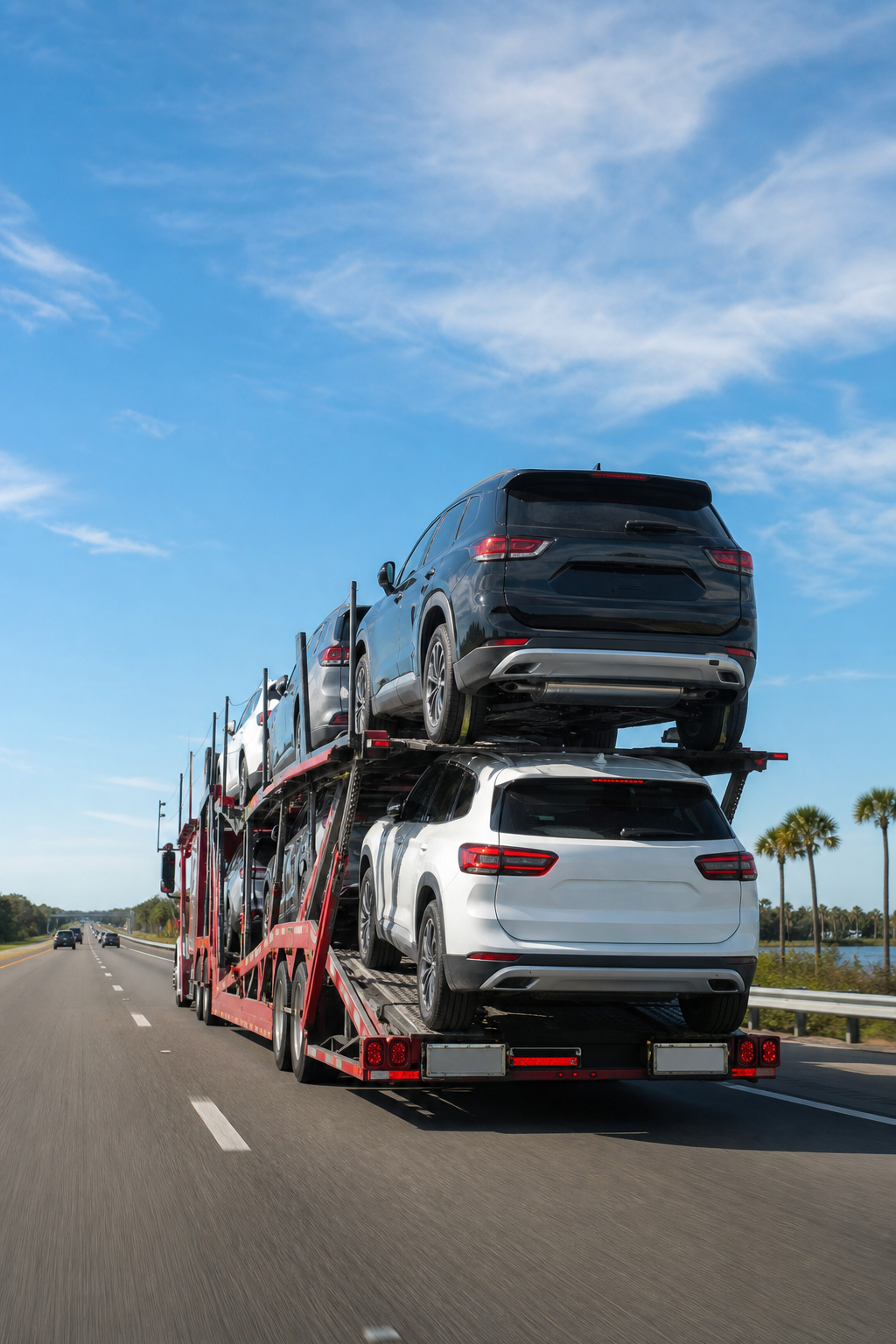
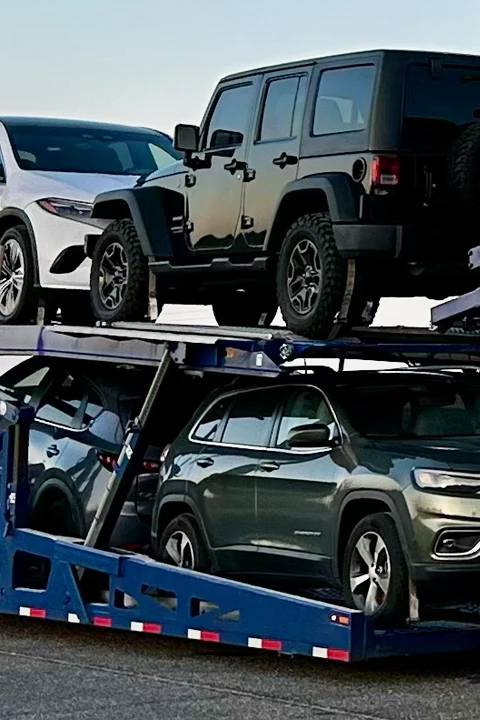
Open‑carrier brokers represent the category of carriers that handle high‑volume snowbird lanes at competitive rates. Open transport is the most common method for seasonal moves: vehicles ride on a multi‑car trailer exposed to the elements, which keeps costs down without sacrificing reliability for standard cars and SUVs.
The economics are straightforward. Open carriers run the major snowbird corridors (New York to Florida, Ohio to Arizona, Michigan to Texas) on a near‑daily basis during peak season, so availability is generally good. The tradeoff is exposure to weather and road debris, which is a non‑issue for most everyday vehicles but worth thinking about if you’re shipping something with a fresh paint job or a convertible top.
Open‑air transport accounts for the majority of auto shipping in the US, largely because the cost‑per‑vehicle is lower when carriers can stack multiple cars on a single trailer run.
Pricing for open transport on popular snowbird routes typically runs lower than enclosed, making it the go‑to for budget‑conscious seasonal shippers. The catch is that rates spike during peak months (October through November southbound, March through April northbound) as carrier demand outpaces supply on the most popular lanes.
If your schedule has any flexibility, shipping in September southbound or late April northbound can save meaningful money. Demand drops and carriers have more room to negotiate on price.
3. Enclosed Transport Services – Premium protected shipping for classic and high-value vehicles
Enclosed transport is the right call when your vehicle’s value or condition makes open-carrier exposure a real risk. Think classic cars, exotics, luxury sedans, or any vehicle where a chip from road debris would cost more to fix than the price difference between open and enclosed shipping.
Enclosed carriers use a fully covered trailer, protecting your vehicle from weather, dust, and debris for the entire trip. That protection comes at a cost: enclosed transport typically runs significantly higher than open for the same route, with rates varying based on distance, vehicle type, and season.
Insurance coverage is worth scrutinizing here. Across the carrier market, fewer than half of providers publicly disclose their coverage limits. Limits range from $100,000 to $750,000. If you’re shipping a vehicle worth $150,000 or more, confirm the carrier’s per-vehicle liability cap before booking, not after.
Seasonal timing matters for enclosed slots more than open. Because there are fewer enclosed carriers on any given route, availability tightens faster during peak snowbird months. Booking two to three weeks out is the minimum; four to six weeks is safer if your pickup date is fixed.
Dispatch Dudes offers enclosed transport as part of its standard service menu, with fully insured carriers and door-to-door pickup. For snowbirds with high-value vehicles, that combination of protection and convenience is hard to beat.
4. Coastal specialist carriers, Fast coastal routes for Florida-to-Sun Belt snowbirds
Coastal specialist carriers represent the category of carriers that specialize in high‑frequency East and Gulf Coast lanes: New York to Florida, the Carolinas to South Florida, and the Florida‑to‑Texas corridor. These routes run heavily during snowbird season and benefit from carrier density that keeps transit times tight.
For a Florida-to-Arizona move, average transit runs five to seven days over a substantial distance. East Coast routes tend to be faster because carriers run them more frequently and the distances are shorter. A New York to Miami shipment, for example, is typically a four‑to‑six‑day run under normal seasonal conditions.
The usable advantage of coastal‑specialist carriers is route familiarity. They know which gated communities in Naples or Scottsdale don’t allow semi‑trucks and can coordinate a nearby meeting point without the last‑minute scramble. Some even offer airport pickup, pulling your vehicle from long‑term valet parking at select airports, which is genuinely useful if you fly ahead of your car.
Round‑trip booking is smart on these routes. Locking in both the fall southbound and spring northbound legs at once secures carrier availability for both legs and often qualifies for a discount. Rates on coastal snowbird lanes are dynamic and tend to spike hardest in November (southbound) and April (northbound), so booking both directions early is a real money‑saver.
If you’re deciding between providers, understanding how to choose an auto transport company based on route specialization, insurance, and booking terms can help you avoid the most common mistakes seasonal shippers make.
5. DIY Trailer Rental Options, Seasonal transport for the adventurous snowbird
Renting a car hauler trailer and towing your own vehicle is a genuine option for snowbirds who own a capable tow vehicle and want full control over the process. It costs less upfront than hiring a carrier, and you set your own schedule.
The mechanics are simple enough: you rent a flatbed or enclosed auto transport trailer, load your vehicle, and tow it yourself. Rental companies ask for your tow vehicle’s make, model, and towing capacity upfront, then match you to a trailer within your limits. You inspect the trailer at pickup, sign the rental agreement, and return it at the destination.
The downsides are real, though. You’re responsible for the vehicle’s safety during transit, which is a different kind of stress than handing it off to a carrier. Towing 1,500 miles is physically demanding, and most auto transport trailers have weight and size limits that won’t accommodate every vehicle. If your car doesn’t roll, steer, or brake reliably, DIY towing becomes genuinely dangerous.
There’s also the cost math to run. Trailer rental fees, fuel for a loaded tow vehicle, overnight stops, and the time cost of driving two days each way add up faster than the quoted price suggests. For most snowbirds, professional shipping ends up being the better value once you factor in the full picture.
DIY towing makes the most sense if you’re already driving to your destination, your vehicle is a second car you’d prefer to keep close, and you have solid towing experience. Otherwise, a professional carrier removes the risk and the fatigue.
6. Large-network auto transport brokers, offering both open and enclosed fleets

These large-network brokers and carriers run both open and enclosed fleets across all 48 contiguous states. The appeal is coverage: if your snowbird route runs through a less‑trafficked corridor (say, the Upper Midwest to New Mexico), a nationwide network is more likely to have a carrier available than a regional specialist.
East Coast snowbird lanes are among the most active in the country. Carriers running New England to Florida make weekly runs during peak season, and some operate company‑owned trucks on fixed schedules rather than relying entirely on spot‑market load boards. Fixed‑schedule carriers tend to offer more predictable pickup windows, which matters when you’ve already booked your flight south.
The tradeoff with large‑network brokers is that service quality can vary by the individual carrier assigned to your load. A good broker vets their carrier pool carefully; a less careful one takes whoever accepts the load first. Ask any broker you’re considering how they screen carriers and whether they guarantee the transport type (open vs. enclosed) you booked.
Dispatch Dudes operates as a nationwide broker with this same model: we work with a vetted pool of fully insured carriers across all major snowbird corridors and both coasts. Each shipment is matched to a carrier based on route, timing, and vehicle type, not just whoever bids lowest on the load board.
Comparison Table: Key Features of Each Snowbird Auto Transport Service
How to Choose the Right Snowbird Auto Transport Service
nn
A few questions narrow the field fast. First, what type of vehicle are you shipping? A standard sedan or SUV is fine on an open carrier. A classic car, exotic, or freshly restored vehicle warrants enclosed transport for the protection alone.
nn
Second, does your vehicle run? Most carriers require a vehicle that can roll, steer, and brake onto the trailer under its own power. If yours doesn’t, confirm non-running vehicle acceptance before booking. Dispatch Dudes is one of the few providers that handles this explicitly.
nn
Third, when are you shipping? Peak snowbird season runs October through November southbound and March through April northbound. The FMCSA requires all auto transport brokers and carriers to be registered and maintain active operating authority, so verify that any provider you book is FMCSA-registered before you hand over a deposit.
nn
Finally, check the insurance terms. Ask for the per-vehicle liability limit in writing. “Fully insured” is a marketing phrase; the actual dollar cap is what protects you if something goes wrong in transit.
nn
- n
- Book 4 to 6 weeks out during peak season to secure better pricing and carrier options.
- Get the insurance limit confirmed in writing, not just verbally.
- Consider booking both legs (southbound and northbound) at once to lock in availability.
- If your route is off the main corridors, choose a nationwide network over a regional specialist.
- Confirm whether door-to-door service reaches your specific address, especially in gated communities.
n
n
n
n
n
nn
FAQ
How much does snowbird auto transport cost?
On typical snowbird routes, open transport is priced lower than enclosed transport, with rates varying by season, distance, and vehicle type. Enclosed transport carries a higher price due to added protection. Rates tend to increase during peak months (October through November southbound, March through April northbound), so booking early is the most reliable way to manage cost.
When should I book my car transport for snowbird season?
Book four to six weeks before your target pickup date during peak season. October and November southbound lanes fill fast, as do March and April northbound. If you wait until the first cold snap hits, carrier availability on popular Florida-bound routes tightens quickly and expedited pricing kicks in. Booking both legs at once can also secure better availability for your spring return.
Is door-to-door car shipping available for snowbirds?
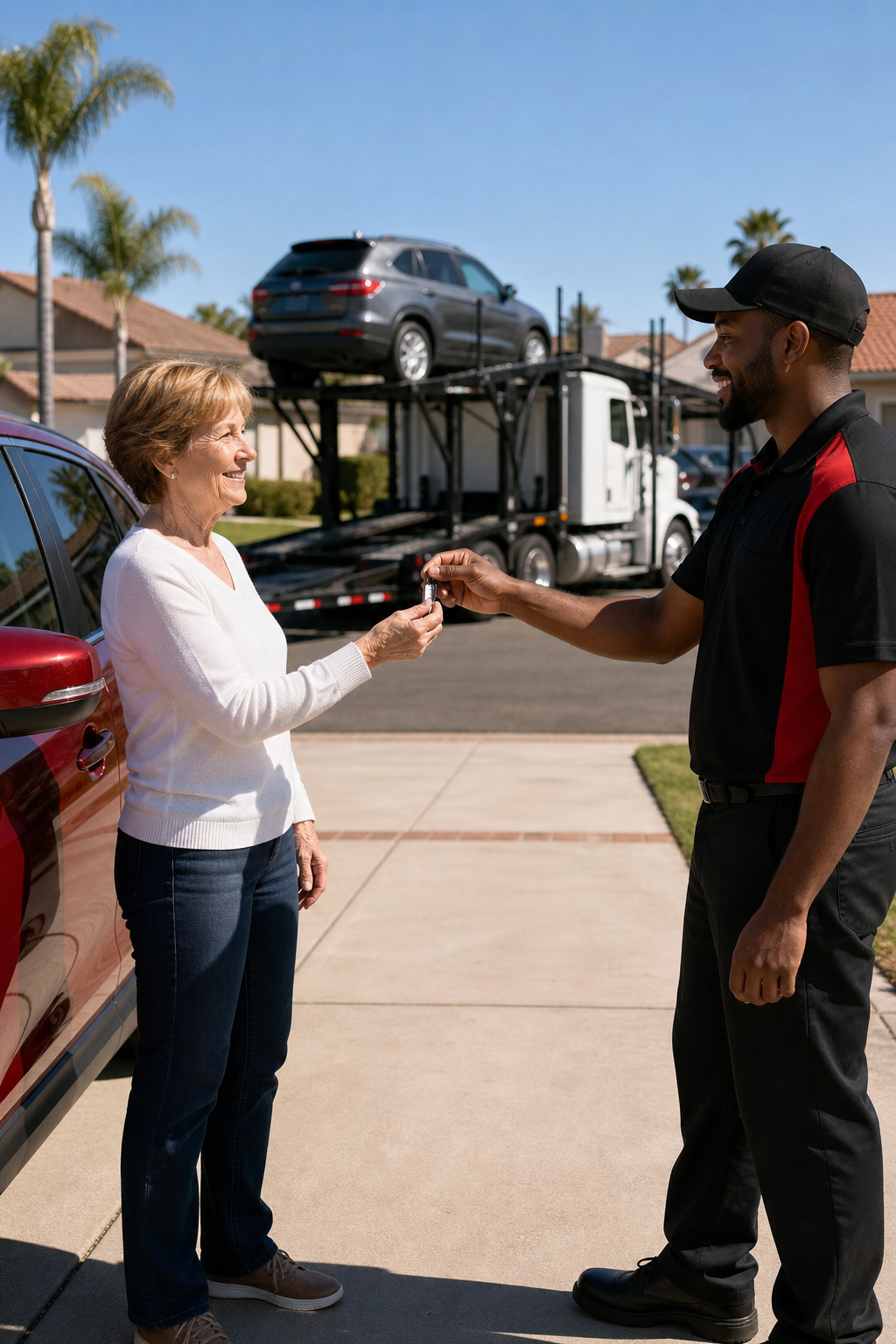
Yes. Most professional auto transport brokers, including Dispatch Dudes, offer door-to-door pickup and delivery. The carrier comes to your home address for pickup and delivers directly to your winter residence. The one exception is gated communities or narrow streets that can’t accommodate a large carrier, in which case a nearby meeting point is arranged.
Can I ship a non-running vehicle for snowbird season?
Some carriers accept non-running vehicles, but it’s not universal. Dispatch Dudes is one of the few providers that explicitly accepts non-running cars for an additional fee, covering the extra labor needed to winch the vehicle onto the trailer. Always confirm non-running vehicle acceptance before booking, and expect to pay a premium above the standard rate.
What’s the difference between open and enclosed transport for snowbirds?
Open transport uses an uncovered multi-car trailer, which costs less and has wider carrier availability. Enclosed transport uses a fully covered trailer that protects the vehicle from weather and road debris. Open is the right call for most everyday vehicles. Enclosed makes sense for classic cars, luxury vehicles, or anything where surface damage would be expensive to repair.
How long does snowbird car shipping take?
Transit times depend on distance and route. A New York to Florida shipment typically takes five to eight days. Florida to Arizona runs five to seven days. During peak snowbird season, routes that take five to seven days in summer can stretch to seven to ten days due to higher volume and carrier congestion on popular corridors. Expedited service can shorten that window.
Conclusion
nn
For most snowbirds, Dispatch Dudes is the straightforward choice: door-to-door pickup, open and enclosed options, non-running vehicle acceptance, and pricing that runs well below the high-end competitor quotes on the same routes. Get an instant quote on the Dispatch Dudes website and lock in your pickup window before the peak-season carrier crunch hits.