 Skip to content

Virginia is one of America’s most important transportation hubs, where major interstate highways converge to connect the Northeast, Southeast, and Midwest. When shipping a vehicle across state lines, the route it takes through Virginia can make the difference between a smooth, timely delivery and a delayed, frustrating experience.
How do highways affect interstate car shipping becomes particularly important when you consider Virginia’s unique position along the Eastern Seaboard. The state hosts three major interstate corridors that handle millions of vehicles annually, each presenting distinct challenges and opportunities for car shipping companies.
Why are highway routes important in vehicle transport extends beyond simple geography. Virginia’s highways are affected by seasonal weather patterns, ongoing construction projects, weight restrictions, and varying traffic densities, which directly impact shipping schedules and costs. Understanding these factors helps explain why some car shipping routes work better than others and why experienced companies plan their logistics around Virginia’s specific highway characteristics.
The state’s terrain varies dramatically from the mountainous western regions to the flat coastal plains in the east, creating distinct operational challenges along each corridor. This geographic diversity, combined with Virginia’s role as a major economic center, makes highway route selection a critical component of successful interstate car shipping operations.
Virginia’s Major Interstate Highways and Their Shipping Impact
Interstate 95: The Eastern Corridor Workhorse
Interstate 95 serves as the primary north-south artery along Virginia’s eastern region, connecting major metropolitan areas from Richmond to the Potomac River. This highway carries heavy daily traffic, making it both essential and challenging for car shipping operations.
The I-95 corridor through Virginia experiences predictable congestion patterns, particularly around Richmond and the Northern Virginia suburbs of Washington D.C. Morning and evening rush hours can add significant time to shipping schedules, forcing carriers to adjust departure times and route planning accordingly.
Construction zones frequently affect I-95 traffic flow, as ongoing projects expand capacity and improve infrastructure. These work zones often include temporary weight restrictions and lane closures that affect larger car carriers, requiring alternative routing or scheduling adjustments.
Weather impacts along I-95 vary by season, with winter ice storms occasionally shutting down sections of the highway. Summer heat can stress both vehicles and equipment, while spring and fall generally provide optimal shipping conditions along this corridor.
Interstate 64: The Cross-State Connection
Interstate 64 runs east-west across Virginia, connecting the port city of Norfolk with West Virginia and points beyond. This highway provides essential connectivity between coastal shipping terminals and inland destinations throughout the Midwest.

The I-64 corridor faces unique challenges related to its proximity to military installations and port facilities around Norfolk. Heavy military vehicle movements and commercial truck traffic from the ports create congestion that car carriers must account for in their scheduling.
Bridge crossings along I-64, particularly the Hampton Roads Bridge-Tunnel, present height and weight considerations for car carriers. These structures require careful planning to ensure vehicle loads meet clearance requirements and avoid delays during peak traffic periods.
Seasonal variations along I-64 include coastal weather patterns that can bring sudden storms or fog, particularly in the Hampton Roads area. Inland sections face typical mid-Atlantic weather challenges, including occasional snow and ice during the winter months, which affect shipping schedules.
Interstate 81: The Western Mountain Route
Interstate 81 runs through Virginia’s western regions, including the Shenandoah Valley, offering a scenic but challenging route for vehicle transport. This highway connects the Northeast with the Southeast while avoiding the heavy congestion of I-95.
The mountainous terrain along I-81 poses specific challenges for car carriers, including steep grades, winding sections, and winter weather-related closures. Snow and ice accumulate more quickly in these higher elevations, sometimes forcing temporary route changes.
Truck traffic dominates I-81, as commercial vehicles use it to bypass busier eastern corridors. While this creates a trucker-friendly environment, it also means heavier traffic volumes that can slow car carrier progress during peak shipping periods.
Construction projects along I-81 often focus on improving safety and capacity in mountainous sections. These projects can create temporary bottlenecks that require careful timing and route coordination for efficient car shipping operations.
Traffic Patterns and Seasonal Challenges
Virginia’s highway traffic patterns follow predictable rhythms that experienced car shipping companies monitor and plan around. Understanding these patterns helps explain timing decisions and delivery scheduling strategies.
Weekday traffic peaks during traditional commuting hours, with Northern Virginia experiencing some of the nation’s worst congestion. Car carriers often schedule movements during off-peak hours to avoid delays and reduce transit times through these heavily traveled corridors.
Seasonal traffic variations include summer vacation travel, which increases overall highway volumes throughout Virginia. Beach-bound traffic heading to Virginia Beach and the Outer Banks creates additional congestion along I-64 and connecting routes during peak summer months.
Holiday weekends present particular challenges, with Thanksgiving, Memorial Day, and Labor Day generating heavy traffic that can double normal travel times along major corridors. Smart scheduling during these periods is essential to meeting customer delivery expectations.
Winter weather adds unpredictability to Virginia’s highway system, with ice storms occasionally shutting down major routes. Snow removal priorities typically focus on I-95 and urban areas first, potentially leaving I-81 and rural sections of I-64 closed longer during severe weather events.
Weight Restrictions and Bridge Clearances
Virginia maintains specific weight limits and clearance requirements that directly impact car carrier operations. These regulations exist to protect highway infrastructure while ensuring safe vehicle operations across the state’s diverse terrain.
Bridge clearances vary throughout Virginia’s highway system, with some older structures presenting lower height limits that restrict certain car carrier configurations. The Hampton Roads Bridge-Tunnel and Richmond area overpasses require particular attention to vehicle height specifications.
Weight distribution regulations affect how carriers load vehicles and plan routes through Virginia. Some bridges and highway sections have seasonal weight restrictions during spring thaw periods when road surfaces are most vulnerable to damage.
Permit requirements for oversized or overweight loads complicate shipping certain vehicles through Virginia. These permits often include route restrictions, timing limitations, and escort-vehicle requirements, which increase costs and planning complexity.
Technology and Route Optimization
Modern car shipping companies use sophisticated technology systems to optimize routes through Virginia’s complex highway network. These systems consider real-time traffic data, weather conditions, construction updates, and historical performance patterns.
GPS tracking and fleet management systems enable companies like Dispatch Dudes to monitor vehicle locations and dynamically adjust routes as conditions change. This technology enables proactive communication with customers about delivery timing and potential delays.
Traffic prediction algorithms help identify the best departure times and routes for different destinations. These systems analyze historical data to predict congestion patterns and recommend optimal paths through Virginia’s highway corridors.
Mobile communication systems keep drivers connected with dispatch centers, enabling real-time updates about road conditions, construction delays, and routing changes. This connectivity proves especially valuable when navigating Virginia’s varied terrain and weather conditions.
Regional Connectivity and Strategic Positioning
Virginia’s position along the Eastern Seaboard makes it a natural hub for interstate car shipping operations. The state’s highway system connects seamlessly with neighboring states, creating efficient corridors for long-distance vehicle transport.
Northern Virginia provides direct access to Washington D.C. and Maryland, while southern routes connect efficiently with North Carolina and Tennessee. Western corridors link Virginia with West Virginia and Kentucky, creating comprehensive coverage for multi-state shipping operations.
Port facilities in Norfolk and Newport News generate significant import and export vehicle traffic that feeds into Virginia’s highway system. These international shipping connections add another layer of complexity and opportunity for car transport companies operating in the region.
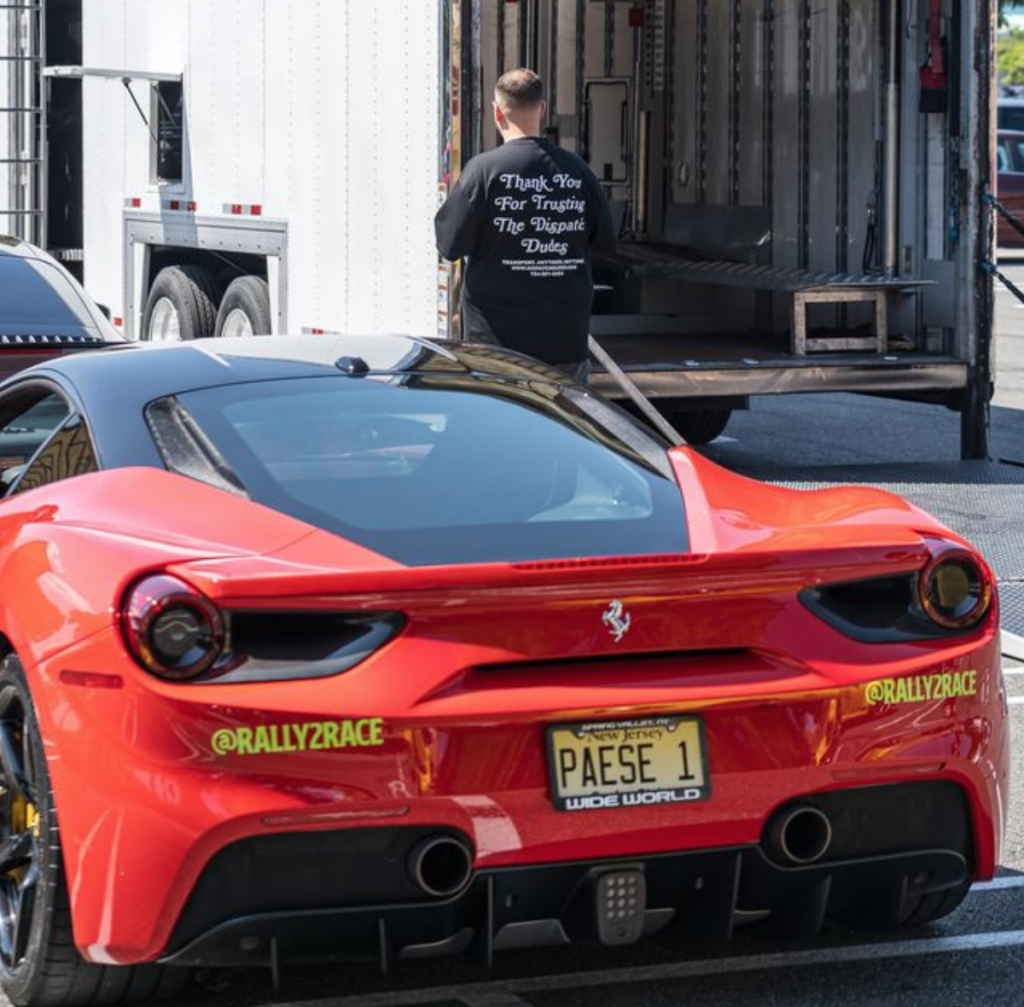
The concentration of military bases throughout Virginia creates steady demand for vehicle shipping services, with service members frequently requiring car transport as they relocate between assignments. This consistent demand helps support the infrastructure and services available throughout the state.
Operational Challenges and Solutions
Virginia’s diverse geography creates operational challenges that require specialized knowledge and experience. Mountain routes demand different equipment and planning than coastal highways, while urban areas present unique navigation and scheduling obstacles.
Driver expertise becomes particularly important when operating through Virginia’s varied terrain. Experienced drivers understand local traffic patterns, weather tendencies, and route alternatives that can make the difference between successful deliveries and service failures.
Equipment maintenance requirements vary depending on the routes used through Virginia. Mountain driving stresses brakes and engines differently than flat highway driving, requiring adjusted maintenance schedules and equipment specifications.
Customer communication becomes more complex when shipping through Virginia due to the multiple route options and variables that can affect delivery timing. Providing accurate estimates requires deep knowledge of local conditions and a realistic assessment of potential challenges.
Choosing the Right Car Shipping Partner
Successful interstate car shipping through Virginia requires working with companies that understand the state’s unique highway characteristics and challenges. Experience with local conditions, traffic patterns, and regulatory requirements significantly improves service quality.
Dispatch Dudes brings specialized expertise in Virginia’s highway corridors, using this knowledge to optimize routes and ensure reliable delivery schedules. Their understanding of local conditions helps customers receive accurate timing estimates and proactive communication about any potential delays.
Technology integration allows experienced companies to provide real-time updates and dynamic route optimization as conditions change. This capability is especially valuable when navigating Virginia’s complex highway network and unpredictable weather.
Ready to Ship Your Vehicle Through Virginia?
Virginia’s highway corridors present both opportunities and challenges for interstate car shipping. Success depends on working with experienced professionals who understand the state’s unique transportation landscape and can adapt to changing conditions.
The combination of major interstate highways, diverse terrain, and strategic positioning makes Virginia a critical component of efficient car shipping operations. Companies that master these corridors provide better service, more reliable timing, and fewer surprises for their customers.
When you’re ready to ship your vehicle through Virginia’s complex highway system, choose a partner with proven expertise in the region. Dispatch Dudes offers the local knowledge and technological capabilities needed to ensure your vehicle reaches its destination safely and on schedule. Contact us today to discuss your car shipping needs and experience the difference that specialized Virginia highway expertise makes.