 Skip to content

Arizona’s summer temperatures regularly exceed 120°F, creating one of the most challenging environments for vehicle transport in the United States. The extreme heat doesn’t just make the desert uncomfortable for people – it poses serious risks to cars during shipping that many vehicle owners don’t consider until it’s too late.
When your car sits on an open transport trailer for hours or days under the blazing Arizona sun, the intense heat can cause significant damage to both interior and exterior components. Paint can fade or bubble, dashboards can warp or crack, and tires can suffer structural damage from prolonged exposure to scorching asphalt and direct sunlight.
Understanding how heat affects car shipping in Arizona is essential for anyone planning to transport a vehicle during the state’s brutal summer months. The combination of extreme temperatures, intense UV radiation, and extended exposure times creates a perfect storm for vehicle damage that goes far beyond simple cosmetic issues.
How Extreme Heat Damages Vehicles During Transport
Can extreme heat damage a car during shipping? Absolutely, and the damage can be both immediate and costly. Arizona’s desert climate creates multiple hazards that can compromise your vehicle’s condition during transport.
Paint damage represents one of the most visible and expensive heat-related issues. When temperatures soar above 115°F, automotive paint becomes vulnerable to fading, oxidation, and even bubbling. Dark-colored vehicles absorb more heat, making them particularly susceptible to paint degradation during extended exposure.
Interior components face even greater risks. Dashboard materials can warp, crack, or completely melt when interior temperatures reach 150°F or higher. Leather seats can dry out and crack, while plastic trim pieces become brittle and prone to breaking. Electronic components may also malfunction when exposed to extreme temperatures for extended periods.
Tire damage is another serious concern. Hot asphalt combined with direct sunlight can cause tire rubber to break down, leading to cracking, splitting, or even blowouts. The extreme heat also affects tire pressure, potentially leading to dangerous overinflation that can permanently damage the tire structure.
The Science Behind Heat-Related Vehicle Damage
Arizona’s extreme temperatures create a hostile environment that affects vehicles at the molecular level. When metal components expand and contract repeatedly due to temperature fluctuations, it can lead to stress fractures and premature wear.
Rubber components throughout the vehicle degrade significantly in extreme heat. Seals, gaskets, hoses, and belts become brittle and prone to failure. This degradation process accelerates dramatically when temperatures exceed 110°F for extended periods.
Fluids inside the vehicle also face challenges. Engine oil can break down faster, coolant systems work harder, and battery life decreases when exposed to extreme heat. Even when the vehicle isn’t running, these components continue to suffer damage from ambient temperature exposure.
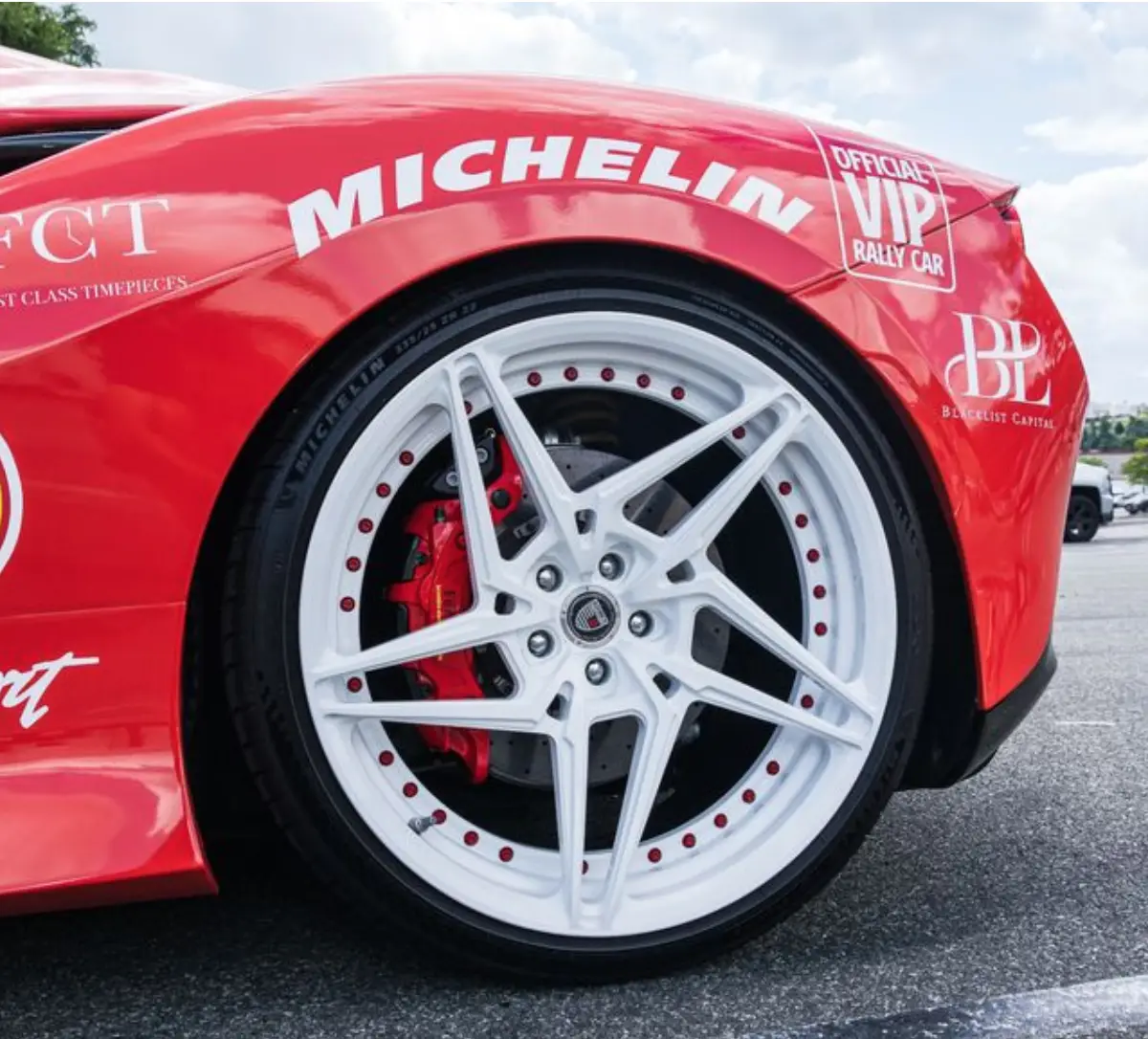
The greenhouse effect within enclosed vehicles exacerbates interior damage. When a car sits in direct sunlight, interior temperatures can exceed exterior temperatures by 30-50 degrees, creating an oven-like environment that destroys upholstery, electronics, and plastic components.
Why Summer Car Shipping Is More Challenging in Arizona
Why is summer car shipping harder in Arizona? The answer involves multiple factors that compound to create significant logistical and safety challenges for transport companies and vehicle owners alike.
Driver safety becomes a primary concern when temperatures exceed 115°F. Transport truck drivers face increased fatigue, dehydration risks, and reduced concentration levels. These safety issues often require more frequent stops and slower travel speeds, extending transport times and increasing vehicle exposure to heat.
Equipment limitations also play a role. Transport trailers and trucks experience increased wear and mechanical stress in extreme heat. Tire blowouts become more common, engine cooling systems work overtime, and hydraulic lift systems can malfunction when components overheat.
Route planning becomes significantly more complex during Arizona summers. Transport companies must avoid the hottest parts of the day, plan for additional cooling stops, and account for road surface temperatures that can exceed 160°F on asphalt surfaces.
Dispatch Dudes’ Climate-Aware Transportation Solutions
We at Dispatch Dudes have developed specialized strategies to address Arizona’s unique heat challenges. Our approach combines advanced planning, protective equipment, and extensive experience with desert climate conditions to ensure vehicle safety during transport.
Our fleet management system accounts for temperature variations throughout Arizona’s diverse geography. We understand that mountain regions can be 20-30 degrees cooler than valley areas, and we use this knowledge to optimize routing and timing to protect vehicles.
Strategic scheduling underpins our heat-protection strategy. We prioritize early morning and late evening transport times when temperatures are more manageable. This approach reduces vehicle exposure to peak heat while maintaining reliable delivery schedules.
Our drivers receive specialized training for desert conditions, including recognizing heat-related vehicle risks and following proper cargo protection procedures. This expertise ensures that your vehicle receives appropriate care throughout the transport process.
Enclosed vs. Open Transport: Protection Against Desert Heat
The choice between enclosed and open transport becomes particularly important in Arizona’s extreme climate. Each option offers different levels of protection against heat-related damage, and understanding these differences helps vehicle owners make informed decisions.
Open Transport Heat Risks
Open transport trailers expose vehicles to direct sunlight, UV radiation, and ambient air temperatures throughout the journey. While this option costs less, it offers minimal protection against Arizona’s harsh climate.
Vehicles on open trailers experience the full force of desert heat, including radiated heat from hot asphalt and reflected sunlight from surrounding surfaces. This exposure can cause paint damage, interior deterioration, and tire stress within hours of transport.
Wind exposure on open trailers can actually increase heat damage by creating convection that accelerates moisture loss from rubber components and increases UV exposure of painted surfaces.
Enclosed Transport Advantages
Enclosed trailers provide a controlled environment that shields vehicles from direct sunlight and reduces exposure to ambient temperatures. This protection significantly reduces the risk of heat-related damage during transport.
Temperature control systems in enclosed trailers help maintain more stable conditions, preventing extreme temperature fluctuations that can damage vehicle components. Some enclosed trailers feature climate control systems that actively manage interior temperatures.
UV protection is another major advantage of enclosed transport. The trailer walls block harmful UV radiation that can fade paint and damage interior materials, preserving your vehicle’s appearance and value.
Strategic Route Planning for Arizona Heat Protection
Effective route planning in Arizona requires understanding temperature patterns, road surface conditions, and geographical variations across the state. Professional transport companies use this knowledge to minimize heat exposure while maintaining efficient delivery schedules.
Timing Optimization
Early morning departures take advantage of cooler temperatures and allow vehicles to reach shaded areas or higher elevations before peak heat arrives. Late evening transport also reduces exposure to extreme temperatures.
Avoiding peak heat hours between 11 AM and 5 PM can reduce vehicle temperature exposure by 30-40 degrees. This simple scheduling adjustment provides significant protection against heat-related damage.
Rest stops must be planned carefully to ensure vehicles can be positioned in shaded areas when possible. Driver rest requirements align well with heat-avoidance strategies, creating natural cooling periods during transport.
Geographic Considerations
Arizona’s elevation changes create natural opportunities for cooling. Routes through higher elevation areas experience significantly lower temperatures, providing relief from desert heat.
Interstate highways often have better rest areas and shaded parking areas than secondary roads. Professional transport companies know which routes offer the best combination of efficiency and vehicle protection.
Border crossings and urban areas may have specific heat-related restrictions during extreme weather events. Experienced transport companies monitor these conditions and adjust routes accordingly.
Pre-Transport Heat Damage Assessment
Thorough vehicle inspection before transport helps identify existing heat-related damage and establishes baseline conditions for insurance purposes. This process protects both vehicle owners and transport companies from disputes about pre-existing conditions.
| Component | Heat Damage Signs | Prevention Measures |
| Paint | Fading, oxidation, bubbling | Wax protection, covered transport |
| Interior | Cracking, warping, brittleness | Window tinting, dash covers |
| Tires | Cracking, low pressure, wear | Proper inflation, covered storage |
| Fluids | Discoloration, low levels | Fresh fluids, sealed systems |
Essential Inspection Points
Paint condition requires careful examination for existing fade patterns, scratches, or oxidation that could worsen during heat exposure. Documenting these conditions with photos provides important protection for all parties.
Interior components need assessment for existing cracks, warping, or brittleness in dashboard materials, seats, and trim pieces. Heat exposure can dramatically worsen existing damage, making pre-transport documentation essential.
Tire condition inspection includes checking for existing cracks, proper inflation levels, and tread wear patterns. Tires with existing damage are much more likely to fail under extreme heat stress during transport.
Temperature-Controlled Transport Technology
Modern enclosed transport trailers incorporate advanced technology to maintain stable temperatures and protect vehicles from extreme heat. These systems represent significant improvements over traditional enclosed transport methods.
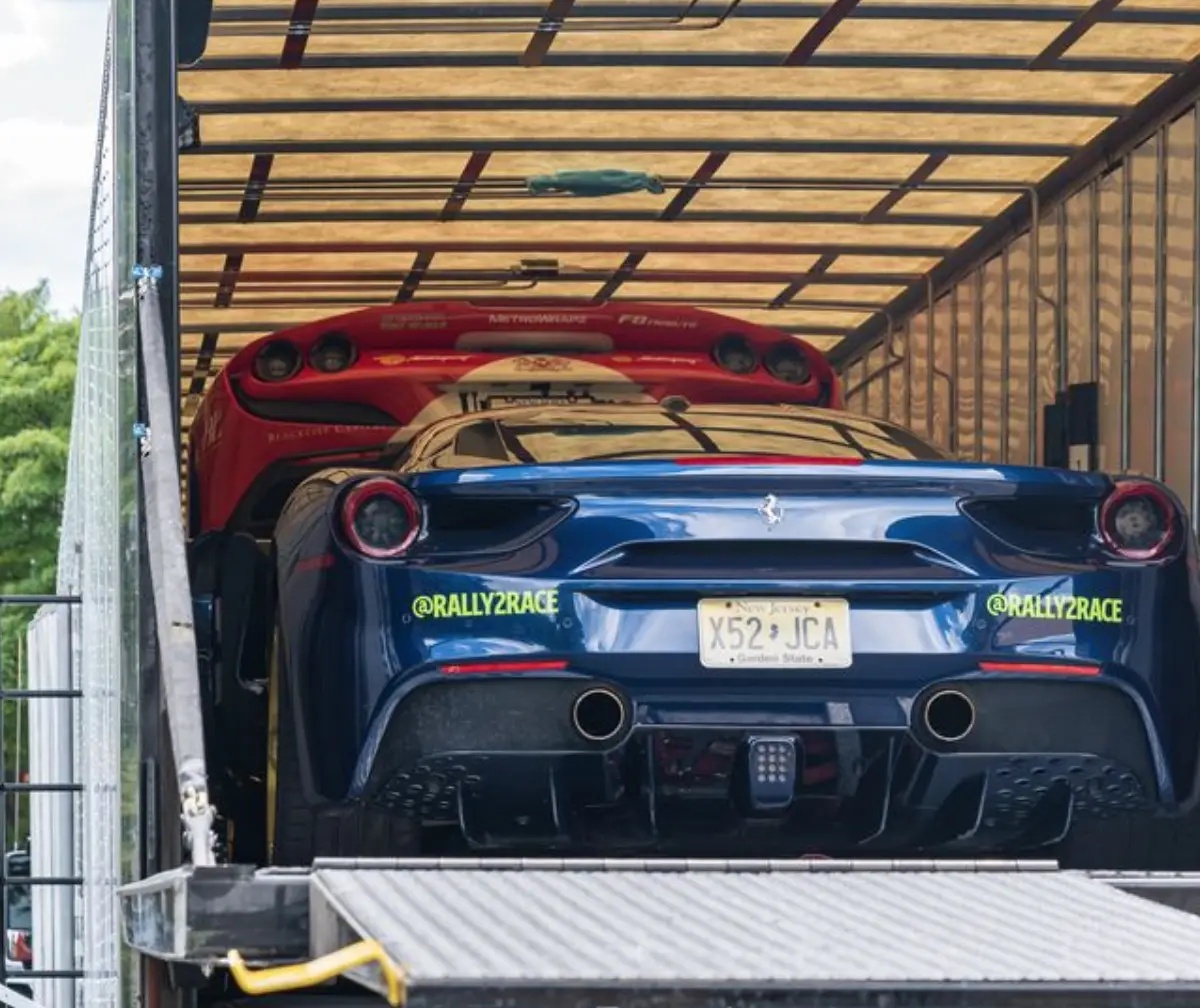
Climate control systems actively manage trailer interior temperatures, preventing the extreme heat buildup that can occur in standard enclosed trailers. These systems are particularly valuable for high-end vehicles or classic cars vulnerable to heat damage.
Insulation improvements in newer trailers provide better temperature stability and reduced energy requirements for climate control systems. Advanced materials help maintain comfortable interior conditions even in extreme external temperatures.
Monitoring systems track temperature conditions throughout transport, document environmental conditions, and ensure that protection systems function properly. This data helps transport companies optimize their heat protection strategies.
Insurance and Heat Damage Coverage Considerations
Understanding insurance coverage for heat-related vehicle damage during transport is essential for vehicle owners. Standard coverage may not include specific protection for climate-related damage, making policy review important before shipping.
Documentation requirements for heat-related damage claims often require extensive before-and-after photos, temperature records, and expert assessments. Working with experienced transport companies helps ensure proper documentation procedures.
Prevention-based coverage options may offer better protection than damage-response policies. Some insurers provide discounts for using enclosed transport or other heat-protection measures during Arizona shipping.
Dispatch Dudes provides fully insured services with a focus on climate-related risks. Our comprehensive coverage and documentation procedures help ensure that heat-related damage concerns are properly addressed throughout the transport process.
Protecting Your Investment from Arizona’s Extreme Heat
Arizona’s brutal summer temperatures pose real risks to vehicles during transport, but understanding these challenges helps you make informed decisions about protecting your investment. The combination of extreme heat, intense UV radiation, and extended exposure times can cause thousands of dollars in damage to unprepared vehicles.
Choosing the right transport method and working with experienced professionals makes all the difference in preventing heat-related damage. Enclosed transport, strategic scheduling, and proper preparation provide effective protection against Arizona’s harsh climate conditions.
Don’t let Arizona’s extreme heat damage your vehicle during transport. Contact our experts at Dispatch Dudes today to learn about our specialized heat-protection transport services and ensure your vehicle arrives in perfect condition, regardless of the desert’s challenging conditions.