

Snowbird Car Shipping Options
Planning a seasonal move means choosing how your car travels, where the truck can meet you, and how pickup and delivery fit your travel dates. This guide explains snowbird car shipping options and the details to confirm before booking.
Transport Options We Arrange
We arrange door-to-door transport, with pickup and delivery at your addresses or a nearby safe, legal meeting point when the transport truck cannot access the property. Confirm access arrangements before booking.
1. Arranging Seasonal Shipping with Dispatch Dudes
Dispatch Dudes is a Florida-based vehicle transport broker arranging nationwide shipments for cars, motorcycles and boats. For a seasonal move, discuss open or enclosed transport, pickup access and your vehicle condition before confirming a booking.
Independent overview by Route Runners Auto Transport. For your Dispatch Dudes shipment, use the quote and carrier details confirmed for your route.
If your car has been sitting for months, check whether it starts, rolls, steers and brakes. Tell the broker about any problems before requesting transport so the carrier can confirm suitable loading equipment and any additional charges.
For a seasonal route, share the pickup and destination addresses, preferred dates and vehicle details when requesting a quote. Confirm the proposed pickup window and carrier assignment before planning around a particular collection time.
If Arizona is your seasonal destination, see how extreme heat affects car shipping, timing, and vehicle preparation.
Ask for the assigned carrier’s cargo coverage, limits, exclusions and claim procedure before booking. Compare the applicable coverage with your vehicle’s value, and request clarification if any part of the coverage is unclear.
Seasonal demand can affect price and carrier availability. Request quotes in advance when your travel dates are known, and ask how much flexibility is needed at both addresses. If you are considering car shipping in Florida on a tight schedule, confirm the available pickup window, added cost and estimated delivery timing; expedited service is not a guaranteed arrival date.
2. Open Transport, Budget‑Friendly Seasonal Shipping
Open transport carries your car on an open-air trailer, leaving it exposed to weather and road debris. If you are comparing it with enclosed transport, ask for both quotes on the same route and dates so you can weigh cost against the protection you want for your vehicle.
Request a quote using your actual vehicle, pickup and destination addresses, and travel dates. Distance, vehicle size, the schedule and available carriers can affect the offer; a general seasonal estimate does not confirm the price or availability for your trip.
Check truck access at both addresses before booking. Ask your gated community or property manager about access restrictions, then confirm with the carrier whether the proposed truck can reach the pickup and delivery points. If it cannot, agree on a nearby safe, legal location and obtain any permission needed to use it.
If you are arranging both seasonal legs, ask whether the quote covers one trip or both, and whether any return-trip pricing or reservation terms apply. Do not assume that booking the southbound shipment reserves a carrier for the spring return. Confirm each leg’s dates, price and cancellation terms separately.
If your northbound trip is from Florida to New York, use our Florida-to-New-York pickup and delivery checklist to prepare both addresses and the people handling each handoff.
Open transport leaves the vehicle exposed during transit. Consider your car’s finish, value and any particular protection needs when comparing options. If those concerns make covered transport worth considering, ask about the enclosed trailer and loading arrangements described below.
3. Enclosed Transport Options, Premium Protection
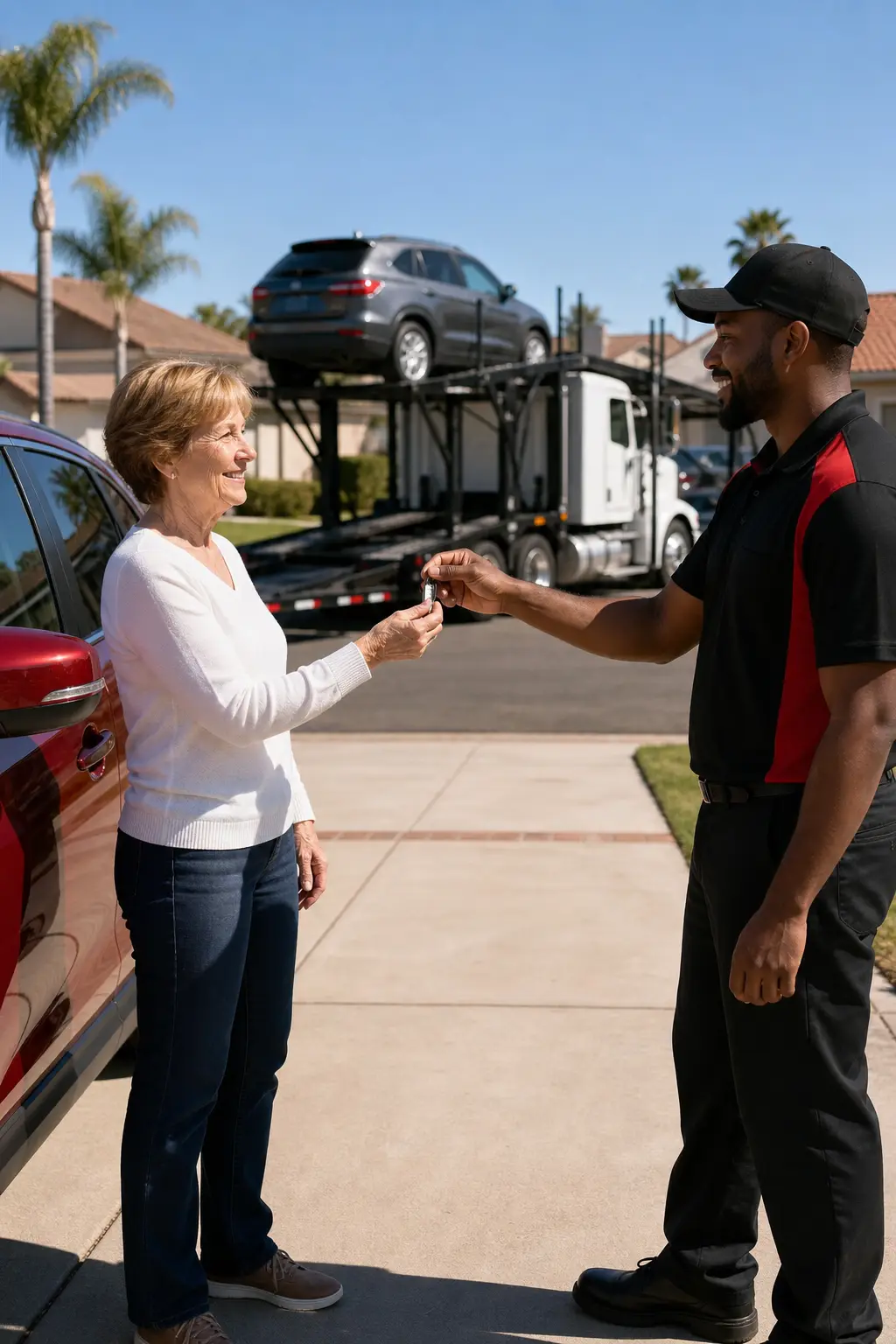
Enclosed transport carries your vehicle inside a covered trailer, reducing its direct exposure to weather and road debris. Covered transport does not remove every risk, so ask how the specific trailer protects the vehicle and how loading and unloading are handled.
If you are shipping a classic car, a vehicle with fresh paint, or a low-clearance sports car between seasonal homes, explain those needs before requesting a quote. Confirm the trailer’s loading equipment and clearance rather than assuming every enclosed carrier uses the same ramps or setup.
Compare open and enclosed quotes for the same vehicle, addresses and dates. Ask what each price includes and whether vehicle size, loading needs or the pickup schedule change the total. A general market average or percentage premium cannot establish the cost of your shipment.
One thing to verify before booking any enclosed carrier: the cargo insurance limit. Limits can vary widely among providers, so ensure the carrier’s policy covers the actual value of your vehicle rather than relying on a generic “fully insured” statement.
When requesting enclosed transport through Dispatch Dudes, provide your route, vehicle details and preferred dates. Ask which carrier and trailer are available, what pickup window is proposed, and what remains subject to confirmation. Plan ahead when possible, but use the actual quote and assignment details rather than a universal booking deadline.
4. Door‑to‑Door Transport, Convenience Focused
Door-to-door transport arranges pickup and delivery at your addresses, or as close as the truck can safely and legally reach. If you plan to fly ahead of the car, coordinate a person to meet the driver at each end and allow for the confirmed pickup window and estimated delivery timing.
Before booking, confirm whether pickup and delivery can take place at your addresses or whether the truck needs a nearby meeting point. Check gated-community rules, narrow streets and who will meet the driver at each end, especially if your flight is on a fixed date.
Share address and access notes at booking, including gate procedures and the contact who will meet the driver. Confirm how pickup communication will work. At pickup and delivery, inspect the vehicle with the driver, record its condition on the shipping documents and keep your copies. If you notice damage at delivery, document it and ask the carrier about the applicable reporting and claim procedure.
Narrow streets, low branches, gates or parking rules may make an address unsuitable for the transport truck. Agree on an alternative meeting point with the carrier and confirm that the property permits the handoff. Do not assume an airport, hotel lot or commuter parking area allows carrier access; check the specific location’s rules and any permission needed before choosing it.
If your car may not start after sitting unused, disclose its condition before booking. Confirm whether the assigned carrier can load it, what equipment is needed and whether there is an additional charge. Door-to-door service alone does not confirm inoperable-vehicle handling.
Plan both the southbound trip and your return: confirm the pickup contacts, address access and date flexibility for each leg. Reconfirm the arrangements if your travel plans or vehicle condition change.
5. Expedited Shipping Options
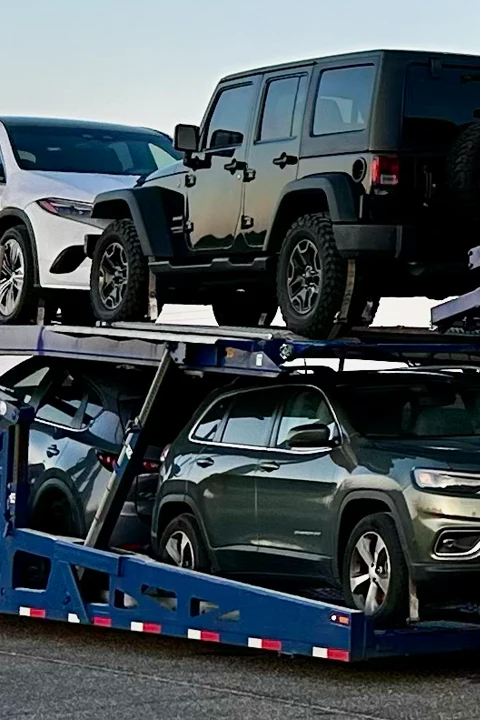
If your travel dates are fixed or have changed, ask whether priority or expedited arrangements are available for your route. Confirm what the offer means: carrier assignment, a pickup window and estimated transit time are separate steps. An expedited request alone does not guarantee arrival by your flight date.
Tell the broker which dates are essential and where you have flexibility. A changed flight, family commitment or seasonal return may make a different pickup window useful, but availability depends on the actual carrier and route. Ask what can be confirmed before making plans around the shipment.
Compare the proposed priority arrangement with any standard option still available. Request the total price, any added charge, the pickup window and the estimated delivery timing. If the schedule does not meet your needs, discuss alternatives rather than assuming a faster assignment will shorten every part of the trip.
Confirm the assigned carrier’s preparation requirements, including fuel level, personal items, alarms and keys. Take clear condition photos and inspect the vehicle at pickup and delivery. Keep your shipping documents, including the Bill of Lading, and do not skip the condition checks because you are in a hurry.
Ask whether a carrier has actually been assigned or whether the shipment is still awaiting a match. Confirm who will contact you, how changes will be communicated, and which timing details remain estimates. Keep a backup travel or vehicle-access plan if delivery timing is critical.
Comparison Table: Key Features at a Glance
Use this table to match your situation to the right type of snowbird car shipping service. The right choice depends on your vehicle type, how much flexibility you have on timing, and whether convenience or cost is the bigger priority.
How to Choose the Right Option
Start with your vehicle condition: if it does not run, confirm that the carrier has suitable loading equipment and disclose whether it rolls, steers and brakes. Next, check whether a transport truck can safely reach both addresses and who will meet the driver. Finally, share your travel dates and ask for the pickup window, estimated transit time and delivery arrangements. Expedited assignment does not guarantee arrival by your flight date; confirm any time-critical commitment before booking.
| Planning decision | Options to discuss | What to confirm |
|---|---|---|
| Trailer and exposure | Open or enclosed transport | Compare quotes for the same route and dates; confirm the trailer and protection needed for your vehicle. |
| Vehicle condition | Running or non-running vehicle | Disclose whether it starts, rolls, steers and brakes; confirm loading equipment and any added charge. |
| Pickup and delivery access | At your addresses or an agreed meeting point | Confirm truck access, location rules, permission and the contact who will meet the driver at each end. |
| Scheduling | Standard or priority arrangements, if available | Separate carrier assignment, the pickup window and estimated transit time; confirm any time-critical commitment. |
| Return journey | One shipment or separate seasonal legs | Confirm each leg’s price, dates and reservation terms; do not assume the first booking reserves the return carrier. |
How It Works
Step 1 – Request a Quote
Share your vehicle, both addresses and workable dates. Ask for a written quote showing the total, included services, any added charges, payment timing and cancellation terms. If you need a return shipment, request its arrangements separately.
Step 2 – Carrier Assignment
Ask whether a carrier has been assigned or the shipment is awaiting a match. Confirm the carrier contact, proposed pickup window and estimated delivery timing. Request the applicable cargo coverage, limits, exclusions and claim procedure before booking.
Step 3 – Vehicle Pickup
Agree on safe, legal truck access or a permitted nearby meeting point, and name the person meeting the driver. Inspect the vehicle together before loading, record its condition on the shipping documents and keep your copy.
Step 4 – Delivery & Final Inspection
Arrange someone to meet the driver at delivery and inspect the vehicle before completing the handoff. Record any concerns on the shipping documents, keep condition photos and your copies, and ask the carrier about the applicable reporting and claim procedure.
Frequently Asked Questions
Ask for a quote using your vehicle, pickup and destination addresses, and travel dates. Compare open and enclosed prices for the same details, and check the written total, included services and any added charges. Ask when payment is due and what the cancellation terms are. If you need a return shipment, confirm its price and reservation terms separately rather than assuming one quote covers both trips.
Request quotes once your travel dates are known, especially if flights or property access limit your flexibility. Ask what pickup window is available for your route and which details are confirmed versus estimated. A return shipment needs its own dates, price and carrier arrangements. If departure is close, discuss the available standard and priority options; early booking or an expedited request alone does not guarantee a discount, carrier assignment or arrival date.
If your car may not start after sitting unused, describe its condition before requesting a quote. Say whether it starts, rolls, steers and brakes, and disclose any other loading concerns. Confirm whether the assigned carrier can handle it, which loading equipment is needed and whether the quote includes an additional charge. Do not assume that choosing open, enclosed or door-to-door transport alone confirms inoperable-vehicle handling.
Door-to-door transport arranges pickup and delivery at your addresses, or at a nearby agreed location if the truck cannot safely and legally reach them. It can reduce the need to travel to a terminal, but you still need a contact to meet the driver at each end. Check gate rules, street access and permission for any meeting point before booking. If you fly ahead, allow for the estimated delivery window and plan how you will get around until the car arrives.
Compare the protection and loading arrangements your vehicle needs. Open transport leaves it exposed to weather and road debris; enclosed transport reduces that direct exposure but does not remove every risk. For a classic car, fresh paint or low clearance, ask about the specific trailer and loading equipment. Compare actual quotes for the same vehicle, route and dates, and check the assigned carrier’s cargo limits and exclusions against your vehicle’s value.
Timing depends on your route, the available carrier and the proposed schedule. Ask separately about carrier assignment, the pickup window and estimated transit time after collection. Priority arrangements may help with a tight schedule if available, but faster assignment does not by itself establish a delivery date. Tell the broker which dates are essential and confirm any time-critical commitment before booking; keep a backup plan if you need the car immediately on arrival.
THREE Easy steps
How do I book with the Dispatch Dudes?
Step 1
Get A Quote
Share your vehicle, route and preferred dates by phone, email or the quote form below.
Step 2
Confirm Your Booking
Review the written quote, pickup window, payment and cancellation terms before confirming your booking.
Step 3
Get Your Car Shipped
Confirm carrier assignment and handoff contacts. Prepare the vehicle and allow for the agreed pickup window and estimated delivery timing.
Conclusion
Choose transport that fits your vehicle, access arrangements and travel dates. Share those details when you request a quote from Dispatch Dudes, and confirm the carrier, pickup window, estimated delivery timing and applicable cargo coverage before booking your seasonal shipment.
