 Skip to content

Hurricane season brings unique challenges that can significantly disrupt vehicle transportation across the United States. From June through November, powerful storms sweep across major shipping corridors, creating delays and forcing carriers to adjust their routes and schedules.
How do hurricanes affect car shipping operations? The impact extends far beyond simple weather delays. Storm systems can shut down entire transportation networks, close major highways, and create dangerous conditions that make vehicle transport impossible. Ports may close, loading facilities can sustain damage, and carriers must prioritize safety over speed.
Can storms delay vehicle transport? Absolutely. Weather-related delays during hurricane season are among the most common disruptions in the auto transport industry. These delays can range from a few days to several weeks, depending on the storm’s intensity and path.
What happens to car shipping during hurricane season depends largely on advance planning and the expertise of your chosen transport company. Companies with experience in storm-affected regions develop specialized protocols to protect vehicles and minimize delays by carefully planning routes and adjusting timing.
Understanding Storm-Related Shipping Delays
Weather systems create cascading effects throughout the transportation network. When a major hurricane approaches the Gulf Coast or Eastern Seaboard, carriers begin adjusting schedules days in advance.
The most significant delays occur when storms directly impact major transportation hubs. Cities like Miami, Houston, New Orleans, and Jacksonville serve as critical shipping centers. When these areas face hurricane threats, the ripple effects reach across the entire country.
Carriers typically suspend operations 24-48 hours before a storm makes landfall. This precautionary measure protects both vehicles and drivers but creates immediate scheduling backlogs. After the storm passes, carriers must wait for road clearance and safety assessments before resuming operations.
Recovery time varies significantly. Minor storms may only delay shipments by 2-3 days. Major hurricanes can cause delays lasting weeks, especially when infrastructure is damaged. Port facilities, loading ramps, and storage areas may require repairs before normal operations resume.
Safety Protocols for Vehicle Protection
Professional auto transport companies implement strict safety measures when hurricane threats emerge. These protocols prioritize vehicle protection and ensure customer property remains secure throughout storm events.
Pre-storm preparation begins with careful monitoring of weather forecasts. Carriers track storm paths using advanced meteorological data and make proactive decisions about vehicle positioning. Cars already loaded on trailers may be moved to secure facilities inland.
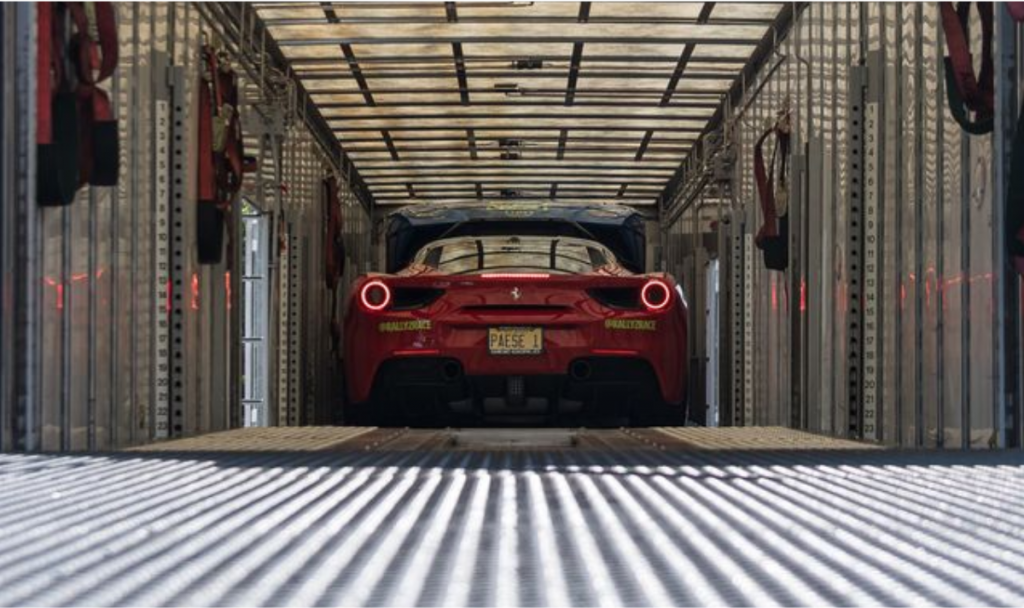
Secure storage facilities play a critical role in storm preparation. Vehicles awaiting pickup or delivery are moved to covered warehouses or elevated areas outside flood zones. These facilities often feature reinforced structures designed to withstand high winds and flying debris.
Documentation and inventory become especially important during storm events. Companies photograph vehicles before storms and maintain detailed records of each car’s location and condition. This documentation proves essential for insurance purposes if damage occurs.
Emergency communication systems keep customers informed throughout the process. Regular updates help manage expectations and provide peace of mind during stressful weather events.
Strategic Rerouting During Hurricane Season
Alternative Route Planning
Smart route planning becomes essential when storms threaten primary shipping corridors. Experienced carriers maintain detailed knowledge of alternative highways and secondary routes that can bypass storm-affected areas.
Interstate highways serve as the backbone of vehicle transport, but hurricanes can shut down major sections for days. Carriers must quickly identify viable alternatives that avoid both the storm center and areas experiencing heavy evacuation traffic.
Mountain routes often provide safe alternatives when coastal areas face storm threats. Routes through states like Tennessee, Arkansas, and northern Alabama can bypass Gulf Coast storms entirely. These detours add time and distance but ensure vehicle safety.
Real-time road condition monitoring helps carriers make informed decisions. Modern dispatch systems track highway closures, bridge restrictions, and flood conditions across multiple states. This information enables quick route adjustments as conditions change.
Timing Adjustments
Flexible scheduling allows carriers to work around storm systems rather than through them. This approach may extend delivery timeframes but significantly reduces risk to vehicles and drivers.
Pre-positioning strategies help minimize delays. Carriers familiar with hurricane patterns often move equipment and vehicles inland before the peak of storm season. This proactive approach reduces the scramble when specific threats emerge.
Open vs Enclosed Transport During Severe Weather
Open Transport Considerations
Open carriers remain the most common vehicle shipping method, but face specific challenges during hurricane season. These trailers offer no protection from wind-blown debris, heavy rain, or hail that often accompany severe storms.
Risk assessment becomes critical when choosing open transport during storm season. While these carriers cost less, the risk of weather-related damage increases significantly during active hurricane seasons.
Timing flexibility helps mitigate open transport risks. Customers willing to wait for clear weather windows can still use open carriers effectively. However, urgent shipments during active storm periods may require enclosed alternatives.
Insurance considerations become more important during hurricane season with open transport. Standard coverage may not fully protect against storm-related damage, making additional protection advisable.
Enclosed Transport Advantages
Enclosed trailers provide complete protection from weather elements, making them the preferred choice during hurricane season. These carriers shield vehicles from rain, wind, debris, and other storm-related hazards.
Premium protection comes at a higher cost, but many customers consider it worthwhile during severe weather periods. Enclosed transport offers peace of mind that open carriers cannot match when storms threaten shipping routes.
Enclosed carriers also provide better scheduling flexibility during storm season. Since vehicles are fully protected, these shipments can often proceed closer to storm events than open transport options.
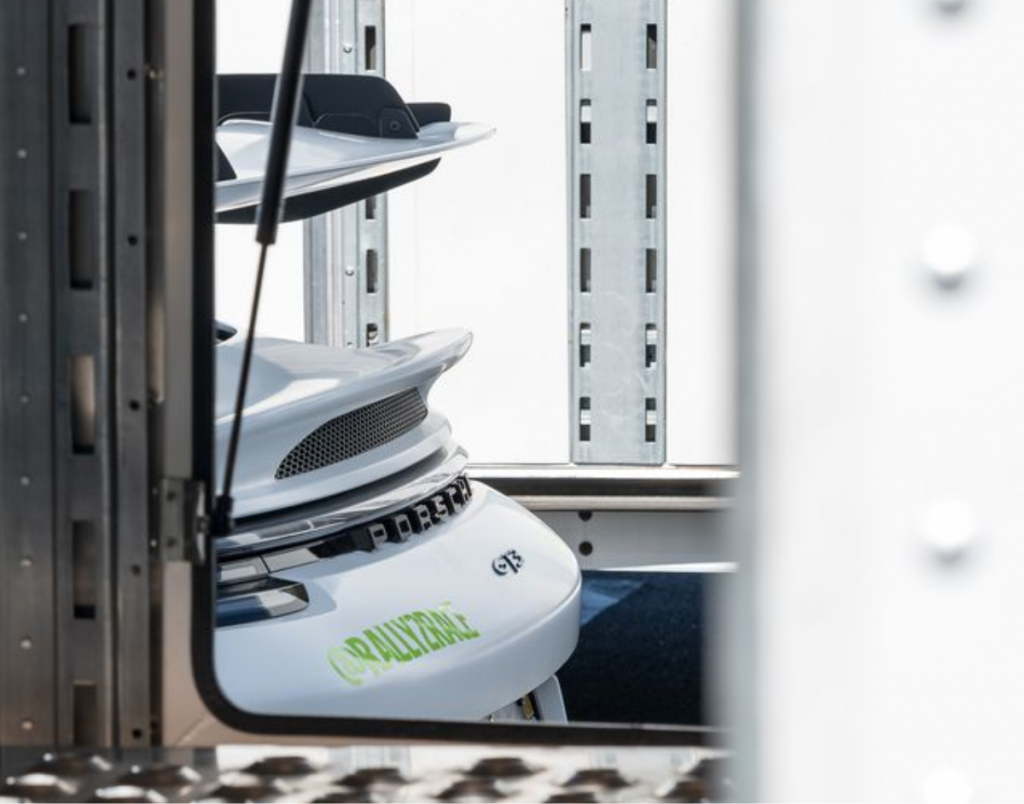
Luxury and classic vehicle owners almost universally choose enclosed transport during hurricane season. The added protection justifies the extra expense for high-value vehicles.
Real-Time Tracking During Storm Events
Modern tracking technology provides unprecedented visibility into vehicle locations during severe weather events. GPS systems allow customers and carriers to monitor shipment progress and make informed decisions about route changes.
Satellite communication keeps tracking systems operational even when cellular networks fail. This redundancy ensures continuous monitoring capability throughout storm events. Customers can access location updates regardless of local infrastructure damage.
Automated alerts notify customers immediately when weather-related delays occur. These systems provide specific information about delay causes and estimated resolution times. Clear communication helps manage expectations during stressful situations.
Integration with weather monitoring systems enhances tracking capabilities. Modern platforms overlay storm tracks onto shipment routes, providing visual representations of potential conflicts. This information helps customers understand why delays occur and how long they might last.
Emergency response protocols activate automatically when vehicles enter severe weather zones. Dispatch teams monitor these shipments closely and coordinate with drivers to ensure safety. If necessary, shipments can be diverted to secure facilities until conditions improve.
Insurance and Weather-Related Damage
| Coverage Type | Storm Protection Level | Typical Cost | Best For |
| Basic Carrier Insurance | Limited weather coverage | Included with shipping | Standard vehicles, clear weather |
| Supplemental Weather Coverage | Enhanced storm protection | $100-300 extra | Hurricane season shipping |
| Full Coverage Insurance | Comprehensive protection | $200-500 extra | High-value vehicles |
| Enclosed Transport Coverage | Maximum protection | $300-800 extra | Luxury/classic cars |
Weather-related damage claims require careful documentation and prompt reporting. Most carrier insurance policies cover storm damage, but coverage limits and deductibles vary significantly between companies.
Enclosed transport often includes enhanced insurance coverage as part of the service premium. These policies typically offer higher coverage limits and lower deductibles for weather-related incidents.
Understanding coverage limitations helps customers make informed decisions about additional protection. Standard carrier insurance may not fully cover high-value vehicles or adequately compensate for storm damage.
Dispatch Dudes maintains comprehensive insurance coverage specifically designed for storm-season operations. Our policies account for the increased risks associated with hurricane-season shipping and provide enhanced protection for customer vehicles.
Communication Strategies During Disruptions
Proactive communication becomes essential when storms disrupt shipping schedules. Customers need timely updates about delays, route changes, and expected delivery adjustments. Professional carriers maintain dedicated communication teams during storm events.
Multiple contact methods ensure message delivery even when primary systems fail. Phone calls, text messages, emails, and online portals provide redundant communication channels. This approach guarantees customers receive important updates regardless of local infrastructure problems.
Regular status updates help manage customer anxiety during uncertain weather events. Even when no new information is available, confirming that vehicles remain safe and accounted for provides valuable reassurance.
A clear explanation of the delay causes helps customers understand the situation. Rather than simply stating “weather delay,” professional carriers explain specific circumstances and estimated resolution timeframes.
Regional Considerations for Hurricane-Prone Areas
Gulf Coast Challenges
Gulf Coast states face the highest hurricane risks, with multiple storm threats each season. Louisiana, Texas, Mississippi, Alabama, and Florida experience frequent shipping disruptions from June to November.
Port cities in these states serve as major vehicle distribution hubs, making storm impacts particularly disruptive. When facilities in Houston, New Orleans, or Tampa close, the effects ripple across the entire transportation network.
Evacuation traffic adds to the complications during storm events. Major highways become clogged with civilian evacuees, making commercial transport difficult or impossible. Carriers must account for these traffic patterns when planning routes.
Local infrastructure in Gulf Coast areas has adapted to hurricane threats over time. Many facilities feature elevated storage areas, reinforced buildings, and backup power systems designed to minimize storm damage.
Atlantic Seaboard Impacts
Eastern coastal areas from Florida to North Carolina experience significant hurricane activity. These storms often follow the coastline, causing prolonged disruptions as they move northward.
Disruptions in the I-95 corridor affect vehicle transport throughout the eastern United States. This critical highway serves as a primary shipping route, and closures create massive bottlenecks requiring extensive rerouting.
Storm surge poses particular risks to coastal facilities. Vehicle storage areas near sea level can experience flooding even from relatively minor storms. Carriers must carefully evaluate facility locations when planning storm-season operations.
Seasonal Planning and Preparation Tips
Customers can take several steps to minimize hurricane-related shipping disruptions:
- Book shipments early in the season when possible
- Build extra time into moving schedules during peak hurricane months
- Consider enclosed transport for valuable vehicles during active storm periods
- Verify insurance coverage before shipping during hurricane season
- Maintain flexible pickup and delivery dates when storms threaten
- Choose experienced carriers with proven storm-season track records
Peak hurricane season typically runs from mid-August through October. Customers with flexibility should consider shipping before or after this period when possible.
Storm tracking resources help customers make informed timing decisions. Monitoring weather forecasts and seasonal predictions can guide planning of shipping schedules.
| Month | Hurricane Risk Level | Shipping Recommendations |
| June | Low | Normal operations, monitor forecasts |
| July | Low-Medium | Slight delays possible |
| August | High | Plan for potential delays |
| September | Very High | Build extra time, consider enclosed transport |
| October | High | Continued vigilance needed |
| November | Medium | Risk decreases but remains |
Early season preparation allows carriers to position equipment and plan routes before storm threats emerge. Customers benefit from this advanced planning through reduced delays and enhanced service.
Choose Expert Hurricane-Season Shipping
Hurricane season presents significant challenges for vehicle shipping, but experienced carriers can minimize disruptions through proper planning and preparation.
Understanding weather-related risks, choosing appropriate transport methods, and maintaining realistic expectations help ensure successful shipments even during active storm periods.
Professional carriers with storm-season expertise make all the difference when severe weather threatens your vehicle shipment. Their knowledge of alternative routes, safety protocols, and recovery procedures protects your investment while minimizing delays.
Ready to ship your vehicle safely through hurricane season? Contact Dispatch Dudes today for expert guidance and storm-resilient transportation solutions from our experienced Florida-based team.