 Skip to content

Got a car that won’t start and needs to move across the country? You can ship it, but you have to pick a carrier that actually handles dead‑run vehicles. Below are the ten most reliable options, plus a quick checklist to help you choose.
1. Dispatch Dudes (Our Top Pick) , Full‑service dead‑car transport
Dispatch Dudes is a US‑based carrier that ships cars, motorcycles and boats nationwide. It offers open and enclosed trailers, door‑to‑door pickup, and expedited service. The company works only with fully insured carriers, so your dead car is covered from the moment it leaves the driveway.
Best for anyone who wants a single point of contact and transparent pricing. Because Dispatch Dudes asks upfront whether the vehicle is non‑running, you avoid surprise fees at the dock. Their team will walk you through the exact condition details needed for a smooth load.
Pro Tip: Provide photos of the car’s wheels and any visible damage when you request a quote , it speeds up carrier matching.

Ready to stop worrying about a dead car?
2. uShip (Marketplace Platform) , Competitive bids for dead cars
uShip runs a marketplace where carriers bid on your shipment. The platform lists carriers that explicitly say they accept non‑running vehicles, which narrows the field to a handful of specialists.
It’s a good fit for price‑sensitive shippers who have time to compare quotes. You’ll see a range of equipment options, from basic winches to heavy‑duty forklifts, and you can read each carrier’s reviews before selecting.
Because uShip handles the paperwork, you get a single invoice even though many carriers compete for the job.
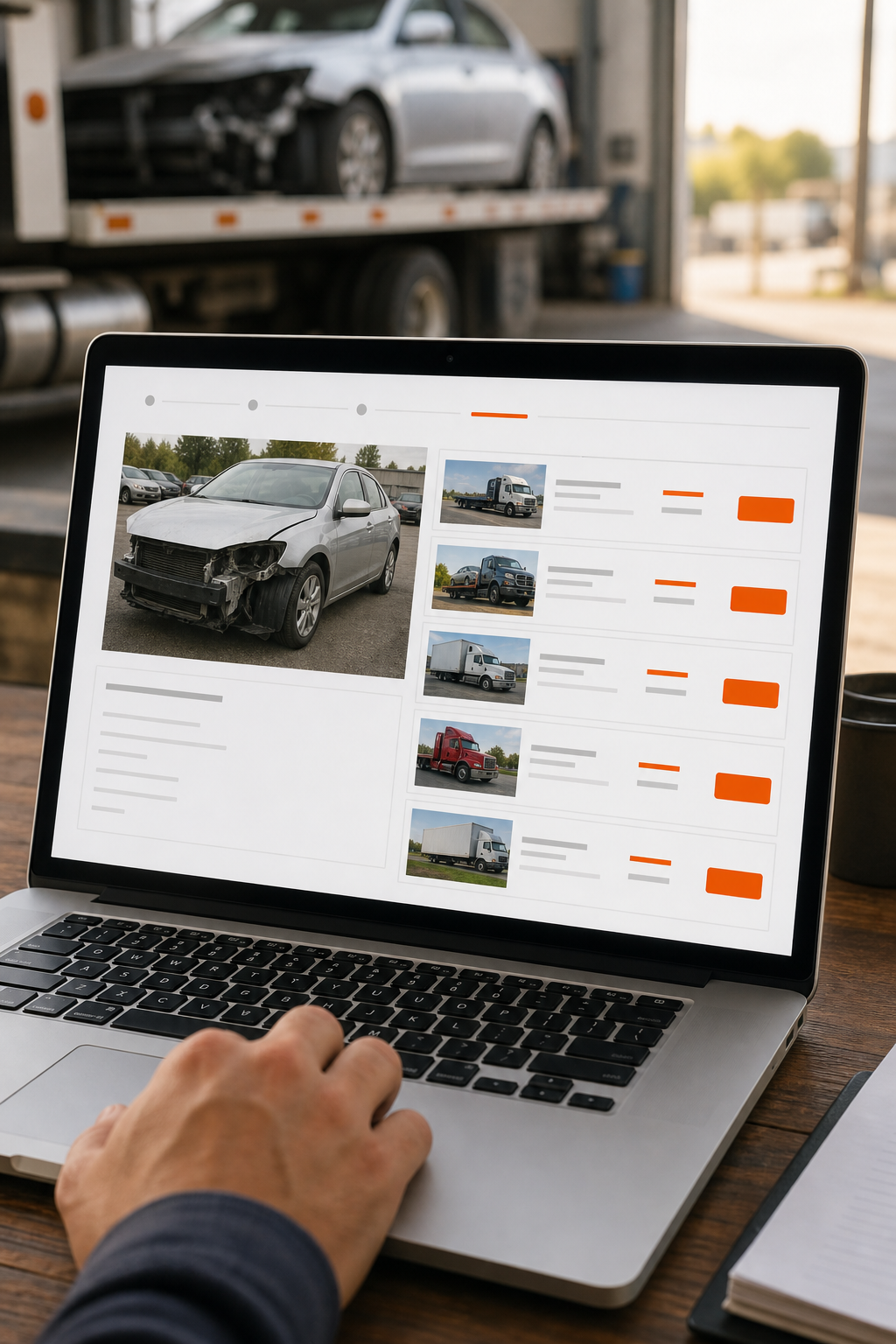
When you post a job, be clear that the car can’t roll , carriers will then bring the right gear.
3. AmeriFreight , Dedicated equipment for non‑running vehicles
AmeriFreight’s own fleet includes trucks equipped with winches, lift‑gates and hydraulic dollies. Their website’s cost calculator shows rates based on distance, vehicle size and the special handling required for a dead car.
They publish insurance limits of up to $1 million per shipment, which is higher than many brokers. That extra coverage can matter if the car is a classic or has high repair value.
AmeriFreight also offers a “no‑damage guarantee” that covers any scratches that might occur during loading.
4. Montway Auto Transport , Nationwide dead‑car service
Montway is a large auto‑transport network that accepts non‑running vehicles in most states. Their online quote tool asks if the vehicle rolls, steers and brakes, then matches you with a carrier that has a winch or forklift ready.
According to Wikipedia’s overview of automobile transport, carriers that handle inoperable cars usually add an extra charge for the additional equipment. Montway’s pricing reflects those typical adjustments for coast‑to‑coast moves.
Montway also provides real‑time GPS tracking, so you can see the truck’s progress each day.
5. Heavy‑duty transport providers with winch & forklift options for non‑running vehicles
Some heavy‑duty carriers specialize in moves that require winch‑equipped or forklift‑ready trucks. They can handle vehicles with flat tires, locked brakes, or severe body damage.
These providers often charge an additional fee for non‑running service, which helps keep the total cost predictable. Drivers are trained on winch loading and crane lifts, allowing them to adapt to tricky pickup spots.
Working directly with carriers rather than a broker can give a single point of contact for updates.
6. Dead‑vehicle shipping services
Many vehicle transport companies advertise high cargo insurance limits and damage‑free guarantees. They require you to disclose the exact condition of the car, then assign a carrier with the appropriate winch or forklift.
Loading a dead vehicle typically takes around an hour, depending on equipment and location.
For peace of mind, ask for the carrier’s insurance certificate before pickup.
Regulations require carriers to maintain cargo insurance, so higher limits provide an added safety net.
7. American Auto Shipping , Flatbed tow for non‑operational cars
American Auto Shipping uses flatbed trucks with a tow‑behind winch. This method is ideal for cars that can’t roll at all , the winch pulls the vehicle onto the flatbed while the driver steers it into place.
The service includes a “no‑surprise fee” policy: the quote you receive covers winch use, loading, and insurance.
They also offer a 24‑hour quote response, which helps you lock in a rate before the market shifts.
8. Door‑to‑door non‑running vehicle shipping
Door‑to‑door services specialize in picking up non‑running vehicles and delivering them directly to the destination. Drivers are equipped with winches and lift‑gates as needed to load the vehicle.
These services typically include cargo insurance as part of the price, with coverage limits varying by carrier.
Expedited shipping options are often available for an additional daily fee.
9. Budget carrier option for non‑running vehicles
This provider positions itself as a low‑cost choice. It partners with regional carriers that have winches and can handle dead cars, with rates varying based on distance and vehicle condition.
The trade‑off is longer transit times, you may wait a week or more for a carrier to become available.
Because they aggregate several carriers, the exact equipment used may vary, so confirm winch availability when you request a quote.
10. Specialized classic‑car transport providers for non‑running vehicles
Specialized classic‑car transport providers are known for moving classic and collector cars. Their specialty trucks include soft‑strap flatbeds and hydraulic lifts, which are gentle on fragile frames.
For non‑running classics, they recommend a full enclosure to protect the paint from the elements. Their insurance coverage can be raised to the car’s appraised value.
Some providers also offer climate‑controlled storage if your vehicle will sit for an extended period before delivery.
How to Choose the Right Service
- Confirm the carrier explicitly accepts non‑running vehicles.
- Ask about winch or forklift availability , you’ll need one of those.
- Check cargo insurance limits; ensure the coverage meets your needs.
- Compare door‑to‑door versus terminal‑to‑terminal pricing.
- s for reliability and handling care.
FAQ
What qualifies as a non‑running car?
A non‑running car is one that cannot be driven onto a trailer under its own power, typically because the engine won’t start, the transmission is seized, or critical systems like brakes are inoperable.
Do I need to pay extra for a dead car?
Yes. Most carriers charge an additional fee to cover winch, forklift or extra handling time required for a vehicle that won’t roll.
Is my car insured during transport?
All licensed carriers must carry required cargo insurance per FMCSA regulations, and many providers offer higher coverage for high‑value vehicles.
Can I ship a car with a flat tire?
Usually you can, but you must let the carrier know. Some will bring a forklift or a dolly to lift the car, while others may require you to replace the tire before pickup.
How long does non‑running car shipping take?
Transit times are similar to standard shipments, generally a few days coast‑to‑coast, but loading may add extra time depending on equipment availability.
Do I need to be present at pickup?
Yes, a representative should be there to hand over keys, verify the condition report and answer any special instructions for the carrier.
Start your free quote with Dispatch Dudes today and get a carrier that’s ready for dead‑car shipments.