 Skip to content

Got a car that won’t start and need it moved? You can still ship it, but you’ll want a carrier that handles the extra work and cost. Below are the ten best options for shipping a non running car, plus a quick checklist to help you pick the right one.
1. Dispatch Dudes (Our Top Pick) , Reliable Door-to-Door Service
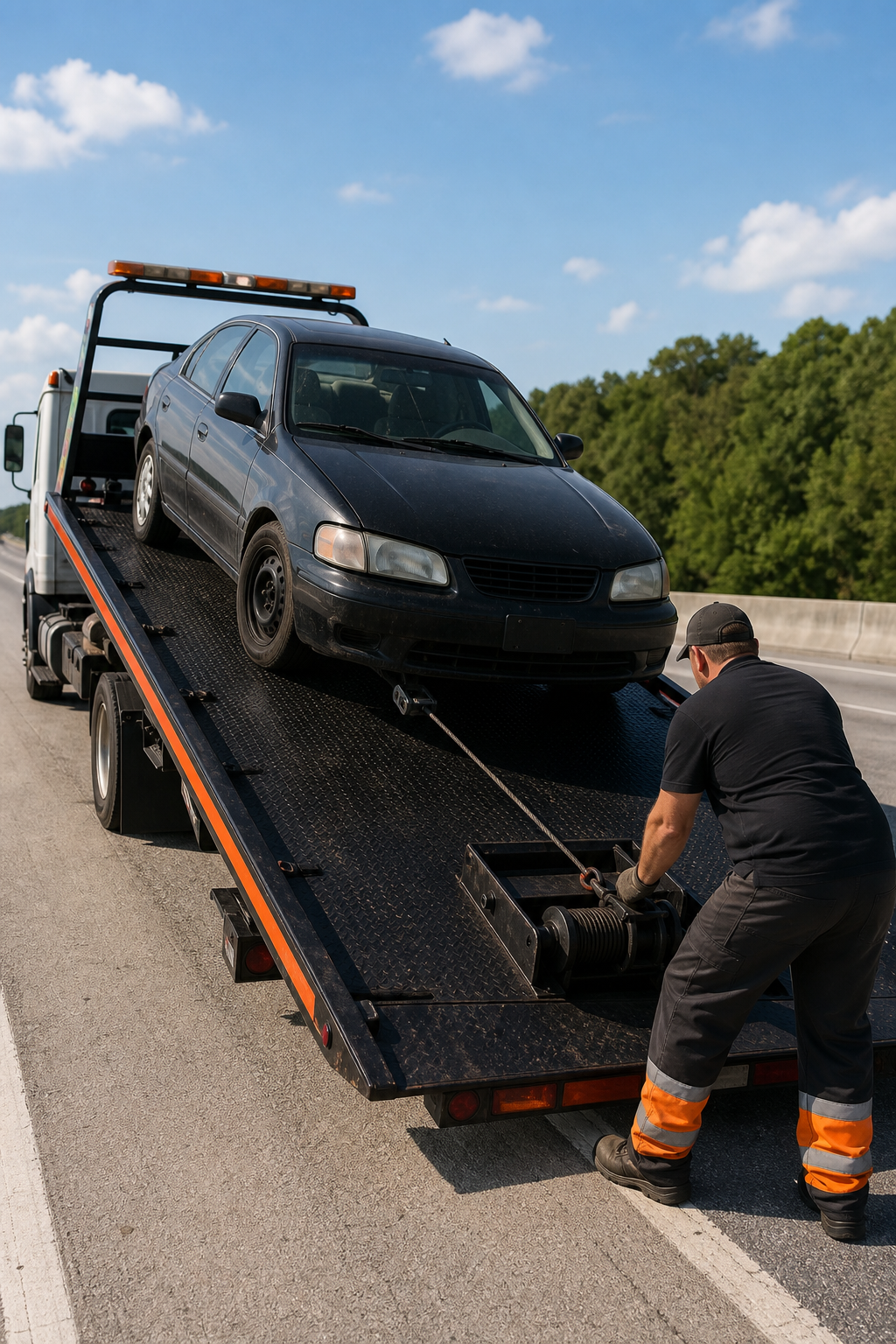
Dispatch Dudes moves cars, motorcycles and boats across the U.S. with fully insured carriers, door‑to‑door pickup, and instant quotes. They accept non‑running vehicles and add a modest surcharge for the winch or forklift needed to load a dead car. Their BBB accreditation and Forbes Business Council membership add extra trust. Learn how we handle non‑running car transport and why it’s a safe choice.
2. Online Marketplace for Competitive Bids
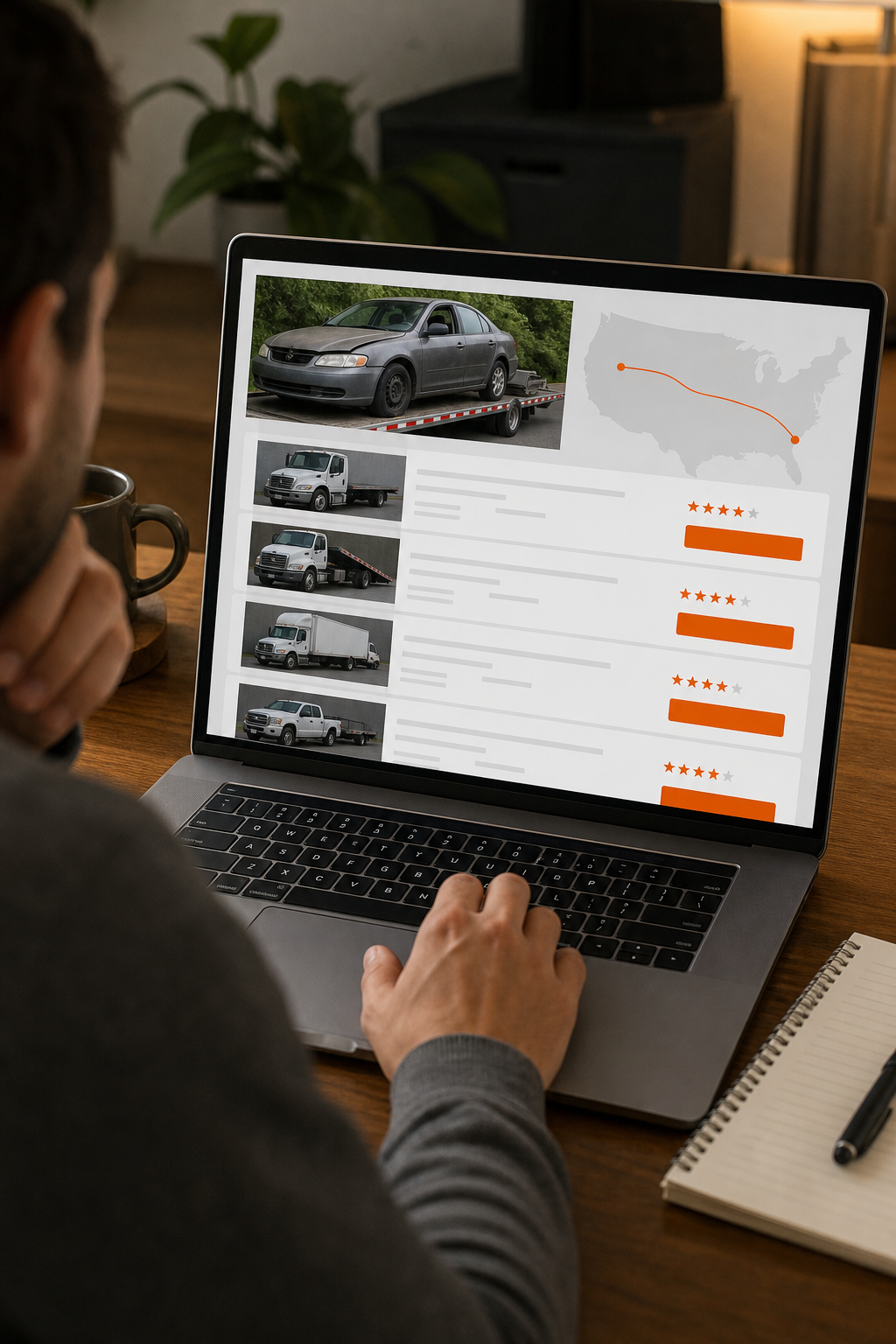
Online marketplaces connect you with independent carriers who bid on your shipment. You can set the pickup and delivery details, then compare rates that often include the extra handling fee for a non‑running car. The platform shows carrier reviews and insurance limits, helping you avoid hidden costs. Guides explain how to get accurate quotes for inoperable vehicles.
3. Montway Auto Transport , Nationwide Coverage with Winch Support
Montway offers open and enclosed trailers, and they have a fleet equipped with winches for cars that can’t roll under their own power. Their insurance coverage sits around $736 per vehicle, which is lower than the industry median, so you may want to add supplemental coverage. The company’s online portal lets you track the shipment in real time.
4. Flat‑rate vehicle transport options with enclosed trailers
Some vehicle transport providers offer flat‑rate pricing that includes high‑limit insurance and the option to choose an enclosed trailer for extra protection. They may list a surcharge for non‑running vehicles, allowing you to know the total cost up front. These providers handle all paperwork, making the process smoother for owners with a dead battery or broken brakes.
5. AmeriFreight , Specialty Equipment for Heavy Loads
AmeriFreight specializes in moving heavy or oversized vehicles, and they have forklifts and hydraulic lifts for cars that can’t be winched. Their carriers carry higher insurance limits, often $1 million, which is useful for classic or project cars worth more than the median coverage. The firm also offers a discount for military personnel and students.
6. RoadRunner Auto Transport , Rapid Turnaround with Lift‑Gate Service
RoadRunner promises a 3‑day turnaround for many routes and includes lift‑gate service at no extra charge. While they don’t publish a specific surcharge for non‑running cars, they do note that extra equipment adds $100‑$200 to the base rate. Their FAQ emphasizes that drivers are trained to handle winch and forklift loading safely.
7. Specialized Non‑Running Vehicle Transport Services
Specialized transport providers can handle dead cars using equipment such as winches or forklifts. They typically charge an additional fee for non‑running vehicles on top of standard mileage rates, and may offer guaranteed delivery windows for an extra premium.
8. Budget‑Friendly Carrier with Winch Loading
Budget‑friendly carriers often bundle winch loading into the base rate for inoperable cars. Reviews highlight quick communication and clear damage documentation. Insurance coverage may be limited, so owners of high‑value vehicles may want extra coverage.
9. Regional Auto Transport Providers, Experts for Remote Pick‑Ups
These providers focus on hard‑to‑reach locations, using a network of local haulers equipped with winches and lift gates. They may add a flat non‑running surcharge and often provide same‑day pickup for nearby cities. Their regional expertise helps reduce the risk of missed pickups in rural areas.
10. Specialized Classic Car Transport Services
Specialized classic car transport providers cater to collectors and restorers, offering enclosed trailers and climate‑controlled storage. They use equipment such as forklifts for vehicles that cannot roll and provide high‑value insurance coverage for classic vehicles. Their expertise in handling delicate frames and custom parts makes them a solid choice for project cars.
How to Choose a Shipping Company
Before you sign, verify three things: the carrier’s USDOT number, their cargo insurance limits, and their experience with non‑running vehicles. Ask about winch or forklift fees up front, and request a written estimate that includes any extra surcharges. Finally, s that mention dead‑car shipments to gauge reliability.
Comparison Table , Key Features & Fees for Non‑Running Car Shipping
FAQ
Can I ship a car that won’t start?
Yes, you can ship a non‑running car. Carriers use winches or forklifts to load the vehicle, and most will add a small surcharge for the extra handling.
How much extra does a non‑running car cost to ship?
Most companies charge an additional $200‑$300 on top of the regular rate. The exact amount depends on distance, carrier equipment, and the level of insurance you need.
Do I need special insurance for a dead car?
All licensed carriers must carry minimum cargo insurance, but coverage limits vary. For high‑value or classic cars, request proof of at least $1 million coverage or buy supplemental insurance.
What preparation is required before pickup?
Remove all personal items, document existing damage with photos, ensure the parking brake works or provide wheel chocks, and leave the fuel tank about a quarter full. Provide keys and any special instructions for the driver.
Can I track my shipment?
Most carriers offer GPS tracking or regular status updates. Ask the company for a tracking link or daily email reports when you book the service.
Shipping a non‑running car is doable with the right partner. Our top pick, Dispatch Dudes, gives you door‑to‑door service, full insurance, and transparent pricing. Start your free quote today and get your vehicle moving safely.